
"1748"
298 article(s) found

Introduction to the Flavor characteristics of Cuban Coffee
Cuba, located in the Caribbean, is an island of communism, with Havana as its capital. Coffee was introduced to Cuba in the mid-18th century. Before the 1820s, coffee production had become the main support of the Cuban economy. Coffee has been grown here for a long time, and the first coffee factory was introduced by Jos Antonio Gelabert in 1748. seventeen
Introduction to Cuban Coffee Crystal Mountain Coffee
Flavor and taste characteristics: full of particles, uniform taste, tobacco flavor the Republic of Cuba is located in the West Indies, with a detached and primitive natural environment, the beautiful Caribbean Sea and the world-famous Crystal Mountain Coffee. In 1748, coffee was introduced into Cuba from Domiga, and Cuba began to grow coffee ever since. The land in Cuba is fertile, the climate is humid, and Rain Water is abundant.

Cuba Coffee Coffee Crystal Mountain Coffee
Flavor and taste characteristics: full of particles, uniform taste, tobacco flavor the Republic of Cuba is located in the West Indies, with a detached and primitive natural environment, the beautiful Caribbean Sea and the world-famous Crystal Mountain Coffee. In 1748, coffee was introduced into Cuba from Domiga, and Cuba began to grow coffee ever since. The land in Cuba is fertile, the climate is humid, and Rain Water is abundant.

Boutique coffee beans Cuban Crystal Mountain Coffee unique flavor full taste the latest introduction to Cuban coffee
In 1748, coffee was introduced into Cuba from Domiga, and Cuba began to grow coffee ever since. With fertile land, humid climate and abundant Rain Water, Cuba can be called a natural treasure land for coffee cultivation. The suitable natural conditions provide a favorable natural environment for the growth of coffee trees, and coffee is well planted and developed here. In Cuba, the cultivation of coffee is regulated by the state. Cuba is the best
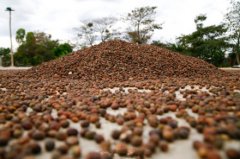
Cuban Crystal Mountain Coffee with tobacco flavor.
Located in the West Indies, the Republic of Cuba has a detached and pristine natural environment, the beautiful Caribbean Sea and the world-famous Crystal Mountain Coffee. In 1748, coffee was introduced into Cuba from Domiga, and Cuba began to grow coffee ever since. With fertile land, humid climate and abundant Rain Water, Cuba can be called a natural treasure land for coffee cultivation. The suitable natural condition is the growth of coffee trees.

Cuban Crystal Mountain Coffee with Tobacco Flavor
Located in the West Indies, the Republic of Cuba has a detached and pristine natural environment, the beautiful Caribbean Sea and the world-famous Crystal Mountain Coffee. In 1748, coffee was introduced into Cuba from Domiga, and Cuba began to grow coffee ever since. With fertile land, humid climate and abundant Rain Water, Cuba can be called a natural treasure land for coffee cultivation. The suitable natural condition is the growth of coffee trees.

Flavor and taste characteristics of coffee beans
Flavor and taste characteristics: full of particles, uniform taste, tobacco flavor the Republic of Cuba is located in the West Indies, with a detached and primitive natural environment, the beautiful Caribbean Sea and the world-famous Crystal Mountain Coffee. In 1748, coffee was introduced into Cuba from Domiga, and Cuba began to grow coffee ever since. The land in Cuba is fertile, the climate is humid, and Rain Water is abundant.
Cuban Coffee West Indies Crystal Mountain Coffee
Cuba: Crystal Mountain Coffee flavor and taste characteristics: full of particles, uniform taste, the Republic of Cuba is located in the West Indies, has a detached and primitive natural environment, the beautiful Caribbean Sea and the world-famous Crystal Mountain Coffee. In 1748, coffee was introduced into Cuba from Domiga, and Cuba began to grow coffee ever since. The land in Cuba is fertile and the climate is humid.

Fine Coffee Cuban Crystal Mountain Coffee Latest Introduction Cuban Crystal Mountain Coffee Flavors
Flavor and taste characteristics: full particles, taste uniform, with tobacco flavor. Located in the West Indies, Cuba offers a detached, pristine natural environment, a beautiful Caribbean Sea and a world-famous Crystal Mountain Coffee. Coffee was introduced to Cuba from Domica in 1748, and Cuba has since grown coffee. Cuba has fertile land, humid climate and abundant rainfall, which can be called coffee

Coffee diet how to drink coffee to lose weight?
Located in the West Indies, the Republic of Cuba has a detached and pristine natural environment, the beautiful Caribbean Sea and the world-famous Crystal Mountain Coffee. In 1748, coffee was introduced into Cuba from Domiga, and Cuba began to grow coffee ever since. With fertile land, humid climate and abundant Rain Water, Cuba can be called a natural treasure land for coffee cultivation. The suitable natural condition is the growth of coffee trees.

Taste description of Cuban Coffee Crystal Mountain Coffee
Flavor and taste characteristics: full of particles, uniform taste, tobacco flavor the Republic of Cuba is located in the West Indies, with a detached and primitive natural environment, the beautiful Caribbean Sea and the world-famous Crystal Mountain Coffee. In 1748, coffee was introduced into Cuba from Domiga, and Cuba began to grow coffee ever since. The land in Cuba is fertile, the climate is humid, and Rain Water is abundant.

Coffee beans recommend Cuban Crystal Mountain Coffee with Tobacco flavor
Located in the West Indies, the Republic of Cuba has a detached and pristine natural environment, the beautiful Caribbean Sea and the world-famous Crystal Mountain Coffee. In 1748, coffee was introduced into Cuba from Domiga, and Cuba began to grow coffee ever since. With fertile land, humid climate and abundant Rain Water, Cuba can be called a natural treasure land for coffee cultivation. The suitable natural condition is the growth of coffee trees.

Introduction to the origin and flavor characteristics of Kenyan coffee
Flavor and taste characteristics: full of particles, uniform taste, tobacco flavor the Republic of Cuba is located in the West Indies, with a detached and primitive natural environment, the beautiful Caribbean Sea and the world-famous Crystal Mountain Coffee. In 1748, coffee was introduced into Cuba from Domiga, and Cuba began to grow coffee ever since. The land in Cuba is fertile, the climate is humid, and Rain Water is abundant.

Cuban Crystal Mountain Coffee characteristics of Cuban Crystal Mountain Coffee
Located in the West Indies, the Republic of Cuba has a detached and pristine natural environment, the beautiful Caribbean Sea and the world-famous Crystal Mountain Coffee. In 1748, coffee was introduced into Cuba from Domiga, and Cuba began to grow coffee ever since. With fertile land, humid climate and abundant Rain Water, Cuba can be called a natural treasure land for coffee cultivation. The suitable natural condition is the growth of coffee trees.

Cuban Crystal Mountain Coffee characteristics of Cuban Crystal Mountain Coffee
Flavor and taste characteristics: full of particles, uniform taste, tobacco flavor the Republic of Cuba is located in the West Indies, with a detached and primitive natural environment, the beautiful Caribbean Sea and the world-famous Crystal Mountain Coffee. In 1748, coffee was introduced into Cuba from Domiga, and Cuba began to grow coffee ever since. The land in Cuba is fertile, the climate is humid, and Rain Water is abundant.

Amber coffee is a Chinese trademark of CubitaCoffee, Cuba.
Following caf é (Wechat official account vdailycom) found that the Beautiful Cafe opened a small shop of its own in 1748, coffee was introduced from Dominica to Cuba, and Cuba has been growing coffee ever since. The coffee bean selected by the Cuban Cubita is an Arabica variety grown in the Crystal Mountains of Cuba. It is produced and used by the farmers themselves, so it is considered to be of higher quality and better quality.

Flavor and taste characteristics of Cuban Crystal Coffee introduction of Grinding scale varieties
The flavor and taste characteristics of Cuban crystal coffee the variety of grinding scale was introduced in 1748, coffee was introduced to Cuba from Domiga, and Cuba has been growing coffee ever since. With fertile land, humid climate and abundant Rain Water, Cuba can be called a natural treasure land for coffee cultivation. The suitable natural conditions provide a favorable natural environment for the growth of coffee trees, and coffee is well planted and developed here.

Cuban crystal coffee with full grains and uniform taste introduces fine coffee.
Flavor and taste characteristics: full of particles, uniform taste, tobacco flavor the Republic of Cuba is located in the West Indies, with a detached and primitive natural environment, the beautiful Caribbean Sea and the world-famous Crystal Mountain Coffee. In 1748, coffee was introduced into Cuba from Domiga, and Cuba began to grow coffee ever since. The land in Cuba is fertile, the climate is humid, and Rain Water is abundant.
Cuban coffee beans explain the flavor of Crystal Mountain Coffee in detail
Cuba: Crystal Mountain Coffee flavor and taste characteristics: full of particles, uniform taste, the Republic of Cuba is located in the West Indies, has a detached and primitive natural environment, the beautiful Caribbean Sea and the world-famous Crystal Mountain Coffee. In 1748, coffee was introduced into Cuba from Domiga, and Cuba began to grow coffee ever since. The land in Cuba is fertile and the climate is humid.

Cuban Crystal Mountain Coffee with uniform taste, fine taste coffee beans.
Flavor and taste characteristics: full of particles, uniform taste, tobacco flavor the Republic of Cuba is located in the West Indies, with a detached and primitive natural environment, the beautiful Caribbean Sea and the world-famous Crystal Mountain Coffee. In 1748, coffee was introduced into Cuba from Domiga, and Cuba began to grow coffee ever since. The land in Cuba is fertile, the climate is humid, and Rain Water is abundant.