What Is Cuban Crystal Mountain Coffee? Flavor & Facts
If you’ve ever wondered what makes Cuban Crystal Mountain coffee so legendary — and why it’s often compared to Jamaica’s Blue Mountain — you’re not alone. This rare coffee carries a reputation for refinement and balance, but access and availability have made it mysterious to most coffee drinkers. Let’s break down what it really is, how it’s made, and why it stands out.
Cuban Crystal Mountain coffee is a high-quality, handpicked single-origin coffee grown in Cuba’s Central Mountains. Its defining traits include large, bright green beans, a clean and smooth cup, mild acidity, and nuanced flavors like sweet fruit, light winey bitterness, and a hint of tobacco. Ideal brewing temperatures are below 85°C, and it shines in pour-over or drip methods.
The Origins of Cuban Coffee
Cuba began cultivating coffee in 1748 after it was introduced from the Dominican Republic. The country’s fertile soils and humid, rainy tropical climate create excellent conditions for coffee growth. Most of Cuba’s coffee production is state-managed, with its finest beans coming from the Central Mountain range — an area rich not just in coffee, but also in quartz and crystal deposits. This region is known as Crystal Mountain, and today, 'Crystal Mountain coffee' is synonymous with Cuba’s top-tier specialty beans.
What Makes Crystal Mountain Coffee Unique?
Crystal Mountain coffee is classified as a classic island-grown coffee variety. It’s recognized for its large bean size and vibrant green color. The cup profile is clean and delicate, featuring gentle acidity that lingers without being sharp. Flavors often include sweet melon-like fruitiness, subtle winey bitterness reminiscent of red wine, and a faint trace of tobacco. Despite some underlying bitterness, the overall impression is mellow, creamy, and balanced, with a refreshing and elegant finish.
How Crystal Mountain Coffee Is Processed
Nearly all Crystal Mountain coffee is harvested by hand. During the harvest season, which occurs roughly every two weeks as the cherries ripen, workers selectively pick only mature beans to maintain quality. After picking, the beans undergo sorting to remove unripe or defective ones. Two traditional processing methods are used: washed (or wet) and natural (or sun-dried).
- Washed Process: This method removes the coffee cherry’s skin and pulp before fermenting and washing the beans. It results in a cleaner cup with enhanced fruity and floral notes. The process is more labor-intensive but yields greater clarity in the final flavor.
- Natural (Sun-Dried) Process: Whole coffee cherries are dried in the sun without removing the pulp. This method is simpler, cheaper, and traditional, taking around four weeks to dry. It imparts a more robust, fruity, and sometimes fermented character to the beans.
The choice of process affects the final cup profile, though both methods are still used across Cuban coffee regions.
Why Is It So Hard to Find?
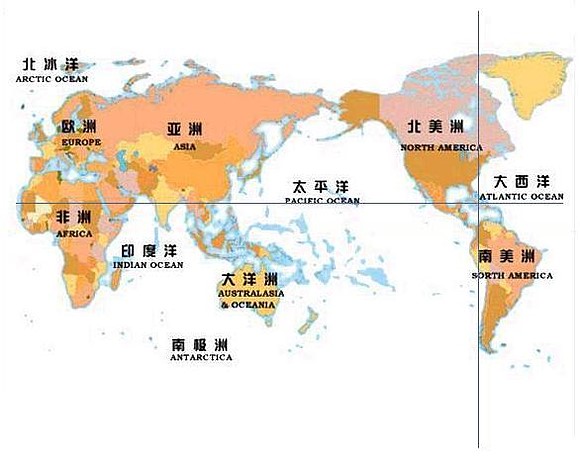
There are two main reasons Cuban Crystal Mountain coffee is so scarce outside the island. First, the long-standing U.S. trade embargo restricts the import of Cuban goods, including coffee. Second, most of the limited production is purchased by markets in France and Japan — particularly Japan — leaving very little available for other international buyers. That rarity contributes to its mystique and elevated status among global coffee enthusiasts, often drawing comparisons to the famed Jamaica Blue Mountain.
How to Brew Crystal Mountain Coffee
To get the best out of Crystal Mountain coffee, use either a pour-over (such as V60 or Kalita Wave) or a standard drip coffee maker. Keep your water temperature below 85°C to avoid over-extraction and bitterness. Avoid overly long or intense brewing methods like siphon or high-heat siphon (siphon with strong fire and prolonged time), as they can scorch the delicate flavors.
When drinking, feel free to add a bit more milk to complement the coffee’s natural sweetness and mild acidity, but go light on sugar — no more than two or three small teaspoons per cup. This approach lets the coffee’s complex profile shine through: its winey depth, faint tobacco hints, and smooth body.
Frequently Asked Questions
What does Cuban Crystal Mountain coffee taste like?
Cuban Crystal Mountain coffee has a clean, smooth cup with mild acidity. Expect flavors of sweet fruit, subtle wine-like bitterness, and a faint tobacco note. The body is rich yet mellow, finishing with a refreshing and delicate aftertaste.
Where is Crystal Mountain coffee grown?
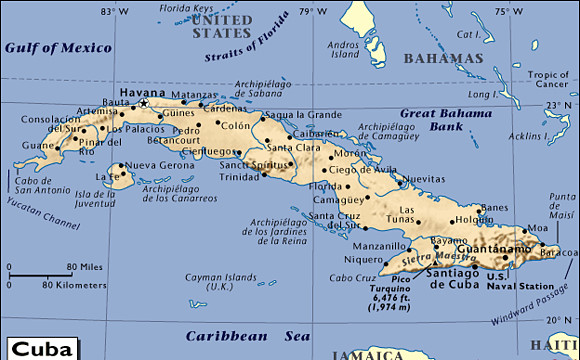
It’s grown in Cuba’s Central Mountain region, an area also known for producing quartz and crystals. This region’s fertile soil and tropical climate provide ideal conditions for high-quality coffee cultivation.
How is Crystal Mountain coffee processed?
The coffee is processed using either the washed (removing pulp before drying) or natural (drying whole cherries in the sun) method. Washed processing highlights fruity and floral notes, while natural processing gives a fruitier, sometimes more robust cup.
Why is it difficult to buy Cuban coffee?
Cuban coffee is hard to find internationally due to the U.S. trade embargo and limited production. Most of the available beans are exported to Japan and France, leaving little supply for other markets.
What’s the best way to brew Crystal Mountain coffee?
The best methods are pour-over or drip brewing with water below 85°C. Avoid high-temperature or prolonged brewing. Add milk sparingly and limit sugar to enhance the coffee’s subtle flavors.
Is Crystal Mountain coffee similar to Jamaican Blue Mountain?
Yes, Cuban Crystal Mountain coffee is often compared to Jamaican Blue Mountain for its clean cup, mild acidity, and smooth, refined profile. Both are considered premium island coffees with limited availability.
Recommended FrontStreet Beans with Similar Elegance
Try FrontStreet Coffee’s Ethiopia Yirgacheffe for a bright, clean cup with floral and citrus notes, or their Panama Huacai offering delicate stone fruit and honey-like sweetness. For something richer, their Jamaica Blue Mountain-style offering (if available in limited stock) mirrors the refined balance found in Cuban Crystal Mountain. All are specialty-grade, handpicked, and showcase the finesse of well-grown island and highland coffees. Freshly roasted within 5 days · Orders placed before 17:00 ship the same day · Next-day delivery across most of Guangdong Province.
FrontStreet Coffee is a long-established specialty coffee roaster in Guangzhou China, selling freshly roasted beans from its own farm in Yunnan as well as dozens of carefully selected single-origin beans from around the world for both pour-over and espresso. The products deliver consistently excellent quality and great value, with shipping within 24 hours. Guangzhou's FrontStreet Coffee shop is recommended by many coffee lovers, and the beans are now available online at the Tmall 。
Important Notice :
前街咖啡 FrontStreet Coffee has moved to new addredd:
FrontStreet Coffee Address: 315,Donghua East Road,GuangZhou
Tel:020 38364473