Cuban Coffee from the Crystal Mountain Region
Ever wonder what makes Cuban coffee—especially from the legendary Crystal Mountain region—so distinct and sought after? With its rich history, political isolation, and unique processing traditions, Cuban coffee occupies a fascinating niche in the specialty coffee world. But beyond the stories, what does it actually taste like, how is it grown, and why can’t you easily buy it?
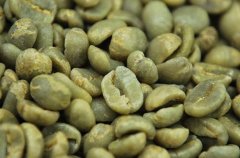
Crystal Mountain coffee from Cuba is prized for its large, bright green beans, clean cup profile, and complex flavor notes including mild acidity, sweet tropical fruit, light smoke, and a wine-like bitterness. It’s considered one of the finest island-grown coffees, often compared to Jamaica Blue Mountain.
The Origins of Coffee in Cuba
Coffee arrived in Cuba in 1748, introduced from the neighboring island of Dominica. Thanks to Cuba’s fertile soil, high humidity, and generous rainfall—ideal conditions for coffee cultivation—the crop took root quickly. Over time, the mountainous regions proved especially well-suited for growing high-quality beans.
Where Crystal Mountain Coffee Comes From
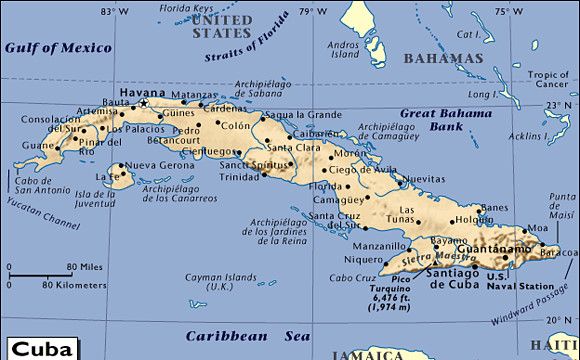
The finest Cuban coffee is grown in the central mountain range, an area also rich in quartz and crystals—hence the name “Crystal Mountain.” This region produces what is now recognized globally as Cuban specialty coffee. A defining trait of Crystal Mountain coffee beans is their unusually large size and vibrant green color.
How Cuban Coffee Is Processed
In Cuba, nearly all coffee is handpicked, typically every two weeks during the harvest season. Workers meticulously sort the cherries to remove unripe or damaged beans. Two traditional methods are used for processing: the washed (or wet) method, which enhances fruity and bright characteristics, and the natural (or sun-dried) method, which tends to accentuate heavier, earthier, and sometimes spicy or tobacco-like tones. Natural processing involves drying the cherries in the sun without fermentation, usually over about four weeks.
Why Crystal Mountain Coffee Is So Rare
There are two main reasons Cuban specialty coffee, especially from Crystal Mountain, is difficult to find outside the country. First, U.S. economic sanctions have long restricted trade with Cuba, limiting international availability. Second, most of the high-grade Cuban coffee is purchased by markets in France and Japan—Japan in particular—leaving little for other importers. Despite these barriers, Cuban coffee remains highly respected among global coffee enthusiasts, often ranked alongside Jamaica Blue Mountain.
Flavor Profile of Crystal Mountain Coffee
As a classic island coffee, Crystal Mountain offers a clean, delicate cup. Expect a mild acidity that lingers pleasantly, supported by subtle notes of sweet tropical fruits such as melon. The overall impression is refined and smooth, with low to moderate bitterness. There’s also a faint wine-like sourness, a light sweetness, and—most distinctively—a hint of smoke. These layers combine to create a balanced, elegant cup that’s both refreshing and intriguing.
How to Brew Crystal Mountain Coffee
To get the best out of Crystal Mountain coffee, use a pour-over method or a standard American drip machine. Keep the water temperature below 85°C. For siphon (vacuum pot) brewing, avoid excessive heat or prolonged extraction. Due to its naturally soft and aromatic profile, many drinkers prefer adding a bit more milk—but go light on sugar, using just two or three small spoonfuls per cup. The result is a smooth, fragrant coffee experience with a distinctive character.
Frequently Asked Questions
What does Crystal Mountain coffee taste like?
Crystal Mountain coffee has a clean, delicate flavor with mild acidity, subtle sweetness (like tropical fruits), a light wine-like bitterness, and a faint smoky note. It’s smooth, well-balanced, and often compared to Jamaica Blue Mountain.
Where is Crystal Mountain coffee grown?
It’s grown in Cuba’s central mountain range, an area also known for producing quartz and crystals. The fertile, humid environment and high elevation contribute to the coffee’s unique cup quality.
Why is it so hard to buy Cuban coffee?
Two main factors limit availability: U.S. trade sanctions against Cuba restrict imports, and most of the high-quality beans are purchased by Japan and France, leaving little for other global markets.
How should I brew Crystal Mountain coffee?
Use pour-over or drip brewing at under 85°C. Avoid strong heat or long extraction times if using a siphon. The coffee pairs well with milk but use minimal sugar—just two or three teaspoons.
Is Crystal Mountain coffee similar to Jamaica Blue Mountain?
Yes, it’s often compared to Jamaica Blue Mountain for its clean, mild profile and premium reputation. Both are considered top-tier island-grown specialty coffees.
What processing methods are used for Cuban coffee?
Cuban coffee is typically processed via either the washed (enhancing fruity notes) or natural (sun-dried, enhancing deeper, sometimes smoky flavors) method. Most Crystal Mountain coffee is sorted and processed carefully by hand.
Recommended FrontStreet Beans for Pour-Over
If you enjoy the clean, mild profile of Crystal Mountain coffee, try FrontStreet’s BrazilBourbon for its round body and sweet almond notes, or their ColombiaSidra with its juicy stone fruit complexity from double anaerobic fermentation. Both are excellent single-origin options that highlight balance and clarity—traits fans of Cuban specialty coffee often appreciate. Freshly roasted within 5 days · Orders placed before 17:00 ship the same day · Next-day delivery across most of Guangdong Province.
FrontStreet Coffee is a long-established specialty coffee roaster in Guangzhou China, selling freshly roasted beans from its own farm in Yunnan as well as dozens of carefully selected single-origin beans from around the world for both pour-over and espresso. The products deliver consistently excellent quality and great value, with shipping within 24 hours. Guangzhou's FrontStreet Coffee shop is recommended by many coffee lovers, and the beans are now available online at the Tmall 。
Important Notice :
前街咖啡 FrontStreet Coffee has moved to new addredd:
FrontStreet Coffee Address: 315,Donghua East Road,GuangZhou
Tel:020 38364473