
"17th"
1000 article(s) found

What is matari coffee? Front Street Yemen Mocha Matari Coffee Introduction
Professional coffee knowledge exchange More coffee bean information Please pay attention to coffee workshop (Weixin Official Accounts cafe_style) Yemen is a classic of sun-dried ancient taste, and it is also the only country producing full-sun coffee in the world. The traditional treatment method of dripping water is illegal. It has not changed since the 17th century when Europe was fascinated with game mocha. This is related to the extremely dry climate in Shumen. Coffee is mainly cultivated in the central highlands.

Colonial Coffee Garden, a microcosm of cosmopolitanism
After the 17th century, the coffee tasted by Europeans is no longer Arabian coffee beans from the east. When cafes quickly became popular in Europe, adventurous businessmen targeted the coffee trade, figuring out the huge profits behind growing and buying and selling coffee. The overseas pioneers of the old colonial empire of the Netherlands, the East India Company and the West India Company, were the first to act, risking being sentenced.

The story of coffee culture there was coffee in ancient times.
The Puritans usually held a skeptical and hostile attitude towards pleasure. Max Weber said in Protestant Ethics and the Spirit of Capitalism: any unrestrained enjoyment of life, whether it is the sports of the aristocracy or the indulgence of ordinary people in the dance floor or hotel, will drive people to abandon their duties and deviate from religion, so they should become the enemy of rational asceticism. Although

General knowledge of Fine Coffee Culture Coffee in Ancient Times
The Puritans usually held a skeptical and hostile attitude towards pleasure. Max Weber said in Protestant Ethics and the Spirit of Capitalism: any unrestrained enjoyment of life, whether it is the sports of the aristocracy or the indulgence of ordinary people in the dance floor or hotel, will drive people to abandon their duties and deviate from religion, so they should become the enemy of rational asceticism. Although

Java coffee type Arabica coffee
Among the Asian coffee-producing countries, Indonesia is a very noteworthy one. Indonesia is an island country in the Indian Ocean, the islands are distributed on both sides of the equatorial line, of which three islands: Java, Sumatra and Sulawesi produce the most important coffee in the world. In the mid-17th century, the Dutch brought coffee trees to Ceylon (now known as Sri Lanka) and Java in Indonesia. The 18th century

Java boutique coffee beans Arabica coffee
Among the Asian coffee-producing countries, Indonesia is a very noteworthy one. Indonesia is an island country in the Indian Ocean, the islands are distributed on both sides of the equatorial line, of which three islands: Java, Sumatra and Sulawesi produce the most important coffee in the world. In the mid-17th century, the Dutch brought coffee trees to Ceylon (now known as Sri Lanka) and Java in Indonesia. The 18th century
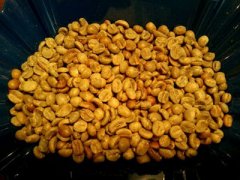
Java coffee beans Arabica coffee
Among the coffee-producing Asian countries, Indonesia is one of the most noteworthy. Indonesia is an island country in the Indian Ocean, with islands on both sides of the equator, three of which: Java, Sumatra and Sulawesi produce the world's most important coffee. In the mid-17th century, the Dutch brought coffee trees to Ceylon (now known as Sri Lanka) and Java in Indonesia. 18th century
Indonesian coffee, Java, rich coffee.
Among the Asian coffee-producing countries, Indonesia is a very noteworthy one. Indonesia is an island country in the Indian Ocean, the islands are distributed on both sides of the equatorial line, of which three islands: Java, Sumatra and Sulawesi produce the world's important coffee. In the mid-17th century, the Dutch brought coffee trees to Ceylon (Sri Lanka) and Java, Indonesia. India in the 18th century

Java coffee flavor Java coffee characteristics
Among the Asian coffee-producing countries, Indonesia is a very noteworthy one. Indonesia is an island country in the Indian Ocean, the islands are distributed on both sides of the equatorial line, of which three islands: Java, Sumatra and Sulawesi produce the world's important coffee. In the mid-17th century, the Dutch brought coffee trees to Ceylon (Sri Lanka) and Java, Indonesia. India in the 18th century

Introduction to the flavor and taste of Lindong Coffee Manor in Sumatra, Indonesia
Mantenin's leaping acid mixes with the richest aroma, giving you a relaxed body flavor to a lively factor in a mild fragrance, and its outstanding taste captivates many suitors. In the 17th century, the Dutch introduced Arabica seedlings to Ceylon (present-day Sri Lanka) and Indonesia. In 1877, a large-scale disaster hit the Indonesian islands, and coffee rust destroyed.

The history of coffee has been around since ancient times.
The Puritans usually held a skeptical and hostile attitude towards pleasure. Max Weber said in Protestant Ethics and the Spirit of Capitalism: any unrestrained enjoyment of life, whether it is the sports of the aristocracy or the indulgence of ordinary people in the dance floor or hotel, will drive people to abandon their duties and deviate from religion, so they should become the enemy of rational asceticism. Although
World boutique Coffee Culture History Colonial Coffee Garden
After the 17th century, the coffee tasted by Europeans is no longer Arabian coffee beans from the east. When cafes quickly became popular in Europe, adventurous businessmen targeted the coffee trade, figuring out the huge profits behind growing and buying and selling coffee. The overseas pioneers of the old colonial empire of the Netherlands, the East India Company and the West India Company, were the first to act, risking being sentenced.

A microcosm of cosmopolitanism in colonial coffee gardens
After the 17th century, the coffee tasted by Europeans is no longer Arabian coffee beans from the east. When cafes quickly became popular in Europe, adventurous businessmen targeted the coffee trade, figuring out the huge profits behind growing and buying and selling coffee. The overseas pioneers of the old colonial empire of the Netherlands, the East India Company and the West India Company, were the first to act, risking being sentenced.

Introduction of Arabica Coffee Manor in Indonesia Coffee Flavor Manor
In the 17th century, the Dutch first introduced Arabica saplings to Ceylon (present-day Sri Lanka) and Indonesia. In 1877, a large-scale disaster hit the Indonesian islands, coffee rust destroyed almost all the coffee trees, people had to give up Arabica, which had been in operation for many years, and introduced the disease-resistant Robusta coffee tree from Africa. And Sue

Colorful Coffee Culture Italian Coffee Culture
Since the opening of the first cafe in Venice in the 17th century, coffee set culture has become one of the undisputed protagonists in Italian culture. According to the Italian news agency ANSA, Italians drink 600 cups of coffee per person per year, ranking sixth in the world, behind the United States, Germany, France, Spain and Britain. In addition, Italy ranks first in the production of espresso coffee machines.

Six questions related to coffee can coffee suppress sexual impulses?
Coffee is a symbol of taste, fashion and cozy life, and its Fangchun is indispensable in the city. Answer six questions about coffee for you. Can coffee suppress sexual impulses? in the early 17th century, Europeans began to try to drink coffee. At that time, a popular idea in Britain was that coffee could suppress sexual impulses, drink too much and even lose sexual ability, which was liked by abstinent monks.
Basic knowledge of boutique coffee six questions related to coffee
Coffee is a symbol of taste, fashion and cozy life, and its Fangchun is indispensable in the city. Answer six questions about coffee for you. Can coffee suppress sexual impulses? in the early 17th century, Europeans began to try to drink coffee. At that time, a popular idea in Britain was that coffee could suppress sexual impulses, drink too much and even lose sexual ability, which was liked by abstinent monks.

A brief introduction of boutique coffee beans and Yemeni mocha coffee
Origin: Yemeni grade: excellent granule: full acidity: slightly sour and strong aftereffect, but also sweet evenness: smooth roasting: moderate flavor: chocolate, slightly alcoholic, spicy Ethiopia is the first country in the world to find coffee, but Yemen was the first country in the world to mass-produce coffee as a crop, in the 17th century.