Yemen Mocha Coffee: Origins, Flavor & Trade Legacy
If you’ve ever sipped a cup labeled ‘Mocha’ and wondered why it tastes like dark chocolate with a kick, you’re not alone. The story behind Yemen Mocha coffee isn’t just about flavor—it’s about how the entire global coffee trade began. This is the bean that introduced the world to specialty coffee, shipped centuries ago from a tiny port that gave the drink its name.
Yemen Mocha coffee is a small, round, vibrant green bean renowned for its bold fruit acidity, intense chocolate notes, and spicy undertones. Roasted to medium, it delivers a complex, layered cup that’s both sweet and sharply spirited—often enjoyed with hot chocolate to enhance its natural richness.
What Is Yemen Mocha Coffee?
Yemen Mocha coffee comes from Yemen, the first country to cultivate coffee as a commercial crop. While Ethiopia is the birthplace of the coffee plant, Yemen pioneered large-scale production and export in the 17th century. The beans were shipped through the ancient port of Al-Makha—known as Mocha—giving the coffee its iconic name. This is also where the term ‘Arabia’ was first used for coffee, later evolving into ‘Arabica.’
Flavor Profile & Sensory Traits
Yemen Mocha is distinct in the cup. It presents a bright, pleasant fruit acidity that leads into a deep, lingering sweetness. Notes of chocolate are prominent, becoming more pronounced the stronger the brew. Many coffee drinkers enhance these traits by adding hot chocolate, creating the popular ‘mocha’ drink. The roast level typically lands in the medium range to balance its inherent spice and complexity. Expect a bold mouthfeel, with a finish that’s both sweet and peppery.
The beans themselves are notably small and round, with a muted green hue that makes them resemble peas. They share visual similarities with Ethiopia’s Harrar beans, another natural-processed offering known for high acidity and wild character. Yemen Mocha often carries an unusual, hard-to-describe spicy tang alongside its classic profile.
Why Is Yemen Mocha So Expensive?
Yemen Mocha commands higher market prices due to its strong cultural ties in regions where Turkish-style coffee is cherished. In countries like Saudi Arabia, Yemeni Mocha is highly prized—even imperfect lots can fetch premium prices. This consistent regional demand helps sustain its position as one of the more expensive specialty coffees in the world. The small production volume and historical prestige further contribute to its elevated cost.
The History Behind the Name ‘Mocha’
The port city of Mocha (Al-Makha) in Yemen was the primary export hub for coffee in the 1600s. When European merchants first encountered coffee, it arrived via this port, and the name ‘Mocha’ became synonymous with the beans. This trade route not only established Yemen’s role in coffee history but also led to the broader adoption of the term ‘Arabian coffee,’ eventually giving us the botanical classification ‘Arabica.’
Frequently Asked Questions
What does Yemen Mocha coffee taste like?
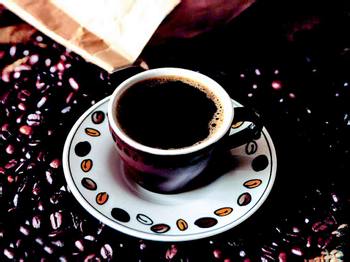
Yemen Mocha coffee features bright fruit acidity followed by a rich sweetness and strong chocolate flavors. It also has a distinctive spiciness and often leaves a lingering sweet and peppery finish. The profile becomes even more chocolate-forward as brew strength increases.
Why is it called Mocha coffee?
Mocha coffee gets its name from the Yemeni port of Al-Makha (Mocha), through which coffee was first exported to Europe in the 17th century. The term originally referred to coffee shipped from this port, not the flavor we associate with chocolate today.
Is Yemen Mocha coffee the same as Ethiopian Harrar?
No, but they are often confused. Both are natural-processed beans with high acidity and wild characteristics. Harrar comes from Ethiopia, while Mocha is Yemeni. Some Ethiopian coffees, like Harrar, are also called ‘Mocha’ due to their shared export history through the Mocha port.
What roast level is best for Yemen Mocha?
Medium roast is commonly used for Yemen Mocha to highlight its natural chocolate notes and balance its spice and acidity. Darker roasts can mute its delicate fruitiness, while lighter roasts may not fully develop its body.
Why is Yemen Mocha more expensive than other coffees?
Yemen Mocha is more expensive due to limited production, high regional demand—especially in areas where Turkish coffee is popular—and its historical significance in the global coffee trade. Its cultural importance and small harvests also contribute to its premium price.
Does Yemen Mocha coffee have chocolate notes naturally?
Yes, Yemen Mocha naturally presents noticeable chocolate flavors, especially when brewed medium to dark. Many drinkers enhance this trait by adding hot chocolate to their cup, which led to the creation of the modern ‘mocha’ drink.
Recommended FrontStreet Beans for Mocha Lovers
If you enjoy the bold, spicy, and chocolatey profile of Yemen Mocha, try FrontStreet Coffee’s BrazilBourbon for its creamy body and sweet caramel backbone, or their ColombiaSidra with its complex fruit and juice-like layers. Both offer a rich, structured cup that complements the intensity of Mocha-style brews. Freshly roasted within 5 days · Orders placed before 17:00 ship the same day · Next-day delivery across most of Guangdong Province.
FrontStreet Coffee is a long-established specialty coffee roaster in Guangzhou China, selling freshly roasted beans from its own farm in Yunnan as well as dozens of carefully selected single-origin beans from around the world for both pour-over and espresso. The products deliver consistently excellent quality and great value, with shipping within 24 hours. Guangzhou's FrontStreet Coffee shop is recommended by many coffee lovers, and the beans are now available online at the Tmall 。
Important Notice :
前街咖啡 FrontStreet Coffee has moved to new addredd:
FrontStreet Coffee Address: 315,Donghua East Road,GuangZhou
Tel:020 38364473