
"17th"
1000 article(s) found
A brief History of Coffee in the World (2)
The first European description of coffee in 1573 was through German doctors staying in Syria. In the second half of the 16th century, the European people who traveled on the east coast of the land gradually spread. The British East India Company was established in 1660 and the East India Company was established in the Netherlands in 1602. The East India Company refers to the trade between Asia and Europe, South Asia and the East in the 17th and 19th centuries.
A brief History of World Coffee (2) World History of Fine Coffee
The first European description of coffee in 1573 was through German doctors staying in Syria. In the second half of the 16th century, the European people who traveled on the east coast of the land gradually spread. The British East India Company was established in 1660 and the East India Company was established in the Netherlands in 1602. The East India Company refers to the trade between Asia and Europe, South Asia and the East in the 17th and 19th centuries.

Cultural History of Fine Coffee Coffee Communication History (2)
The first European description of coffee in 1573 was through German doctors staying in Syria. In the second half of the 16th century, the European people who traveled on the east coast of the land gradually spread. The British East India Company was established in 1660 and the East India Company was established in the Netherlands in 1602. The East India Company refers to the trade between Asia and Europe, South Asia and the East in the 17th and 19th centuries.
The Development of World Coffee in World History 2
The first European description of coffee in 1573 was through German doctors staying in Syria. In the second half of the 16th century, the European people who traveled on the east coast of the land gradually spread. The British East India Company was established in 1660 and the East India Company was established in the Netherlands in 1602. The East India Company refers to the trade between Asia and Europe, South Asia and the East in the 17th and 19th centuries.

Fine Coffee Science explains the spread History of Coffee in detail (2)
The first European description of coffee in 1573 was through German doctors staying in Syria. In the second half of the 16th century, the European people who traveled on the east coast of the land gradually spread. The British East India Company was established in 1660 and the East India Company was established in the Netherlands in 1602. The East India Company refers to the trade between Asia and Europe, South Asia and the East in the 17th and 19th centuries.

Coffee and the Story of Coffee Culture in Japan
As early as the end of the 17th century, the Dutch brought coffee to Asia in the early 18th century, and coffee was soon introduced to Japan. Before and after the Meiji Restoration, Japan advocated total westernization, and the coffee culture with Dutch flavor took root in Japan. During the Taisho period (1879-1926), due to the pervasive atmosphere of freedom and democracy, fresh and luxuriant culture, cafes have been very prosperous. But with the Japanese army,

The History of the spread of Fine Coffee Culture and Common sense Coffee (2)
The first European description of coffee in 1573 was through German doctors staying in Syria. In the second half of the 16th century, the European people who traveled on the east coast of the land gradually spread. The British East India Company was established in 1660 and the East India Company was established in the Netherlands in 1602. The East India Company refers to the trade between Asia and Europe, South Asia and the East in the 17th and 19th centuries.

The History of the spread of Fine Coffee Culture and Common sense Coffee (2)
The first European description of coffee in 1573 was through German doctors staying in Syria. In the second half of the 16th century, the European people who traveled on the east coast of the land gradually spread. The British East India Company was established in 1660 and the East India Company was established in the Netherlands in 1602. The East India Company refers to the trade between Asia and Europe, South Asia and the East in the 17th and 19th centuries.

Coffee training Culture Coffee and Japanese Culture
As early as the end of the 17th century, the Dutch brought coffee to Asia in the early 18th century, and coffee was soon introduced to Japan. Before and after the Meiji Restoration, Japan advocated total westernization, and the coffee culture with Dutch flavor took root in Japan. During the Taisho period (1879-1926), due to the pervasive atmosphere of freedom and democracy, fresh and luxuriant culture, cafes have been very prosperous. But with the Japanese army,

Basic knowledge of Coffee and Japanese Fine Coffee Culture
As early as the end of the 17th century, the Dutch brought coffee to Asia in the early 18th century, and coffee was soon introduced to Japan. Before and after the Meiji Restoration, Japan advocated total westernization, and the coffee culture with Dutch flavor took root in Japan. During the Taisho period (1879-1926), due to the pervasive atmosphere of freedom and democracy, fresh and luxuriant culture, cafes have been very prosperous. But with the Japanese army,

Coffee has become a popular drink, thanks to the Japanese.
As early as the end of the 17th century, the Dutch brought coffee to Asia in the early 18th century, and coffee was soon introduced to Japan. Before and after the Meiji Restoration, Japan advocated total westernization, and the coffee culture with Dutch flavor took root in Japan. During the Taisho period (1879-1926), due to the pervasive atmosphere of freedom and democracy, fresh and luxuriant culture, cafes have been very prosperous. But with the Japanese army,

African Kenyan Coffee AA grading system Kenyan Coffee producing area Flavor
Professional coffee knowledge exchange more coffee bean information please follow the coffee workshop (Wechat official account cafe_style) front street-Kenya coffee grading system, a brief introduction to the development history of coffee has been recorded as early as the 8th century AD, coffee shops were also popular in the 17th century, while its neighboring countries

Yemeni mocha coffee: slightly sour and then strong
Follow the comments (Wechat official account vdailycom) found that the beautiful cafe opened a small shop of its own. Although Ethiopia was the first country in the world to discover coffee, Yemen was the first country in the world to produce coffee on a large scale as a crop. In the 17th century, the first batch of Yemeni coffee was exported to Europe through the ancient port of Mocha. This is Mocha.
The first coffee shop in the world
Coffee was an exclusive Arab drink for more than 1,000 years from the 7th century AD to the 17th century. With the gradual development of the commodity society, the Arabs brought the habit of drinking coffee to the countries and regions where they did business, about from the Balkans to Spain, and then to North Africa, and then the Roman Empire gradually transferred the Islamic world. The word coffee is in Constantinople Kaveh, in law

Where did the earliest coffee come from? how was the earliest coffee handled in the first place?
The cultivation and production of coffee in the 17th century has always been monopolized by Arabs. At that time, it was mainly used in medicine and religion, and doctors and monks admitted that coffee had the effects of refreshing, awakening, strengthening the stomach, strengthening the body and stopping bleeding. The use of coffee was documented at the beginning of the 15th century and was integrated into religious ceremonies during this period. At the same time, it also appeared in the folk as a daily drink. Because of Islam

"Tian Ai Zun Shang" Coffee will be unveiled at the 18th Chinese Food Exhibition. Pure Vietnamese Coffee sweeps across Modu.
Shenzhen, May 3 / PRNewswire-FirstCall-Asianet / /-May 17-19, the 18th China International Food and Beverage Exhibition (SIAL China) will be held at the Shanghai New International Expo Center, when enterprises and dealers who have made positive contributions to the development of the food industry and food marketing industry will gather to show the development trend of global food and beverage. TNI Corporation will
The origin of coffee
Legend has it that three thousand years ago, shepherds and monks in the mountains of Ethiopia were excited to find that their sheep had eaten unknown fruits and leaves. They were initially regarded as medicines to treat mild headaches and diarrhea, and it was not until the fifteenth and sixteenth centuries that they evolved into the present method of drinking among Arabs. Second, spread and promote A. Coffee is the earliest.
How to drink coffee at home by first-class baristas flannel cloth hand brewed coffee Nel drip
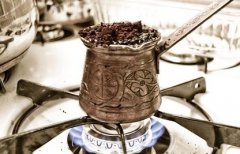
Professional coffee knowledge exchange More coffee bean information Please pay attention to the coffee workshop (Weixin Official Accounts cafe_style) coffee making process flow chart-Starbucks coffee making process In the 17th and 18th centuries, European coffee was brewed by putting coffee powder and granulated sugar into water, with Turkish coffee as the mainstream. The problem is that coffee grounds stay in the mouth, feel strange, and taste very bad.

The result of the 16th Nicaragua Excellence Cup in 2020 is announced. When will the auction of COE start?
Portland, Oregon (June 5, 2020)-the Coffee Excellence Alliance announced the winning Coffee at the 16th Outstanding Cup in Nicaragua. Nicaragua's winning cup returned to the country after an one-year truce, providing a total of 249 cups of coffee (of which 74% were produced for the first time). At this year's Expo, 17 cups of coffee won the Outstanding Cup, and 12 cups of coffee were awarded the national championship. Have to

When did coffee become popular?
The cultivation and production of coffee in the 17th century was monopolized by Arabs. It was used mainly in medicine and religion, doctors and monks recognized coffee as refreshing, refreshing, invigorating, strengthening, hemostatic, etc.; the use of coffee began to be documented in the early 15th century, and it was incorporated into religious ceremonies during this period, as well as appearing in folk as a daily drink. Islam