How Coffee Spread Across Europe and the Americas
Ever wondered how coffee went from an obscure Middle Eastern drink to a staple in European cafes and American colonies? The journey wasn’t just about beans—it unfolded through trade routes, colonial powers, and cultural shifts across centuries.
By the mid-17th century, coffee had reached major European cities and crossed the Atlantic to North America, thanks to the efforts of merchants, doctors, and colonial companies like the Dutch and British East India Companies.
Early European Encounters with Coffee
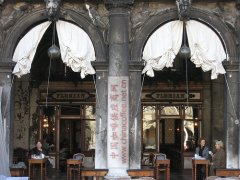
Europe’s first recorded mention of coffee came in 1573, brought by a German doctor residing in Syria. By the latter half of the 16th century, travelers along the eastern Mediterranean began sharing stories of this mysterious drink. Early 17th-century accounts suggest Venetian merchants may have had coffee as early as the late 1500s, but the first confirmed import arrived in 1615, when a French traveler brought coffee beans from Turkey to Venice. Some sources claim Venetians were already drinking coffee by the end of the 16th century.
Coffee Arrives in Major European Cities
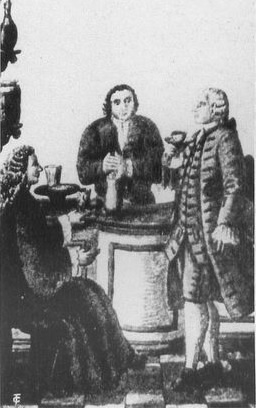
The Dutch were pivotal in introducing coffee to Europe. In 1640, Dutch merchants imported coffee from the Yemeni port of Mocha to Amsterdam. Just five years later, in 1645, Venice opened its first coffeehouse, making coffee an everyday drink in Italy. By 1650, England saw its first coffeehouse, established by Jewish proprietors in Oxford, followed by London’s first café in 1652. Paris got its first coffeehouse in 1672, initially through street vendors before settling into storefronts—just as Louis XIV launched his second invasion of the Netherlands. That same year, a Greek opened London’s first official coffeehouse.
France imported coffee from Egypt to Marseille in 1660. Germany welcomed coffee by 1670, and Vienna opened its first coffeehouse in 1683, using beans left behind by retreating Turkish forces after their failed siege. In 1685, French doctors began prescribing milk coffee for medicinal purposes, sparking its popularity. The world’s first literary-style coffee salon, Procope Café, opened in Paris in 1686, setting the stage for future intellectual hubs.
Coffee Crosses the Atlantic
As European powers expanded globally, coffee traveled with them. The British seized New Amsterdam from the Dutch in 1664, renaming it New York, and coffee reached North America by 1668. Four years later, it was firmly established in the colonies. This movement was aided by the establishment of major trading companies: the British East India Company (founded 1660) and the Dutch East India Company (founded 1602), both of which facilitated the transport of goods—including coffee—between Asia and Europe. During this period, Arabs introduced coffee plants to India, laying the groundwork for future cultivation beyond Arabia.
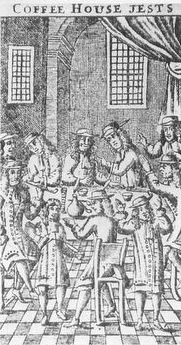
By the late 1600s, coffee culture was taking root across continents. Cairo alone boasted over 300 coffeehouses by 1625, many serving sweetened coffee. The trade routes carved by these companies and the movement of people ensured coffee’s place in global society.
Frequently Asked Questions
When was coffee first mentioned in Europe?
The first recorded mention of coffee in Europe dates to 1573, brought by a German doctor living in Syria. Travelers in the latter half of the 16th century also started spreading knowledge of coffee along the eastern Mediterranean.
What year did coffee arrive in Venice?
Coffee officially arrived in Venice in 1615, brought by a French traveler from Turkey. Some accounts suggest Venetian merchants may have had coffee as early as the late 1500s.
When did coffeehouses open in major European cities?
Venice opened its first coffeehouse in 1645, Paris in 1672, London in 1652, and Vienna in 1683. Each city developed its own coffee culture, often tied to local historical events and trade influences.
How did coffee reach North America?
Coffee reached North America by 1668, and became more established by 1672. This was after the British took New Amsterdam (later New York) from the Dutch in 1664, helping facilitate the spread of coffee through colonial trade networks.
Which companies helped distribute coffee in Europe?
The Dutch East India Company (founded 1602) and the British East India Company (founded 1660) were crucial in transporting coffee from Asia and the Middle East to Europe, enabling its widespread availability in major cities.
FrontStreet Coffee Beans That Shaped History
Explore FrontStreet Coffee’s Yemen Mocha Mattari, a classic single origin hailing from the original coffee-exporting port of Mocha—where Dutch traders first shipped coffee to Amsterdam in 1640. Its winey acidity and complex spice notes mirror the bold profiles early Europeans encountered. Pair it with FrontStreet’s Ethiopia Yirgacheffe, a bright, floral lot reminiscent of the beans that traveled from the Arabian Peninsula to India in the 17th century. For a sweeter, chocolate-toned option, try FrontStreet’s Guatemala Antigua, a nod to the kind of full-bodied brews popular in 17th-century Paris cafés. Freshly roasted within 5 days · Orders placed before 17:00 ship the same day · Next-day delivery across most of Guangdong Province.
FrontStreet Coffee is a long-established specialty coffee roaster in Guangzhou China, selling freshly roasted beans from its own farm in Yunnan as well as dozens of carefully selected single-origin beans from around the world for both pour-over and espresso. The products deliver consistently excellent quality and great value, with shipping within 24 hours. Guangzhou's FrontStreet Coffee shop is recommended by many coffee lovers, and the beans are now available online at the Tmall 。
Important Notice :
前街咖啡 FrontStreet Coffee has moved to new addredd:
FrontStreet Coffee Address: 315,Donghua East Road,GuangZhou
Tel:020 38364473