How Coffee Spread Across the World: From Ethiopia to Istanbul
Ever wondered how coffee went from a local Ethiopian stimulant to the global beverage we know today? The journey wasn't smooth—coffee faced bans, religious scrutiny, and cultural resistance before becoming a worldwide staple. This timeline reveals how a simple bean traveled across continents, shaping social habits and trade routes along the way.
In short: Coffee originated in Ethiopia by the 10th century, spread to Arabia by the 13th century where it was first roasted and brewed, reached Istanbul in the 16th century where the first coffeehouses opened, and entered Europe via trade routes established during the Age of Exploration starting in 1492.
The Origins: Ethiopia and Early Consumption
Coffee’s story begins in Ethiopia, its native land, which remained a Christian kingdom independent even when part of the Islamic empire founded after 622 AD—the year Prophet Muhammad led followers from Mecca to Medina, establishing a powerful realm stretching to the Iberian Peninsula. By the 10th to 11th centuries, coffee began moving from Ethiopia to the Arabian Peninsula.
Early records by Islamic scholars like Larsus and Abikener described coffee as forbidden, even calling it the 'devil’s drink.' At the time, people consumed raw coffee fruits and seeds boiled or fried, using them as secret tonics among certain religious figures.
Arabia: Discovery, Roasting, and Religious Tensions
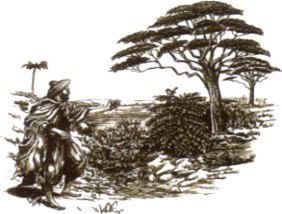
Around 1258, legend credits Sufi monk Sheikh Omar with discovering coffee’s energizing effects. Exiled in the remote region of Ousab near Mocha, Omar ate red berries from a tree after seeing birds eat them. The fruit revived his strength, leading to coffee’s first documented functional use.
By the late 13th century, roasting began in Arabia with basic roasting tools created specifically for coffee beans. This development marked a pivotal shift in consumption—from raw or boiled forms to roasted preparation.
The Spread to Yemen, Egypt, and Beyond
In 1454, coffee gained public acceptance largely due to the efforts of Saint Gemerting of Aden. Previously known only as a religious elixir, coffee became more widely known across the Arabian Peninsula, and local cultivation started in Yemen. By 1510, coffee reached Cairo. The next year, the governor of Mecca, Karl Bay, issued a ban—which the local king overturned.
In 1517, coffee arrived in Istanbul thanks to Ottoman Sultan Selim I. The Ottomans, as successors to Islamic rule, governed much of the Middle East and held the title of Caliph, further spreading coffee’s reach. By 1530, coffee had made its way to Damascus, just before the first Ottoman siege of Vienna in 1531 under Suleiman the Magnificent.
Coffee Arrives in Europe: Trade Routes and Early Cafés
The year 1492 marked the start of the Age of Exploration. Columbus’s voyage opened new trade routes connecting Europe to Asia, Africa, and the Americas, facilitating the movement of goods including spices, silk, and eventually coffee. In the early 16th century, Arabs introduced coffee cultivation to Sri Lanka, which remained a major producer until coffee rust devastated farms in 1886.
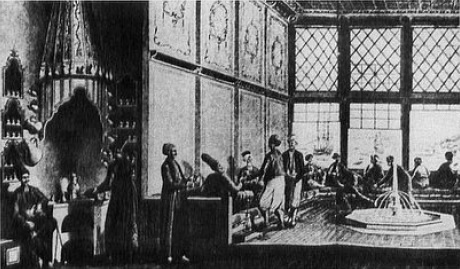
By 1554, Istanbul hosted the world’s first official coffeehouse, named Kiva—or “Kanes” in some accounts. This establishment set the blueprint for future European coffeehouses and cemented coffee’s role in daily life. The drink had finally taken root in the Arab world and evolved into a key element of Turkish culture.
Frequently Asked Questions
When and where did coffee originate?
Coffee originated in Ethiopia by the 10th to 11th centuries. It was initially consumed as a raw or boiled fruit or seed, often used medicinally by religious groups before gaining wider acceptance.
Who first discovered the energizing effects of coffee?
According to legend, Sufi monk Sheikh Omar discovered coffee’s stimulating properties around 1258 while in exile near Mocha. He found that eating red coffee berries restored his energy, marking one of the first documented uses of coffee for its effects.
When did coffee arrive in Europe and how?
Coffee reached Europe indirectly through trade routes established after 1492, the year Columbus sailed to the Americas, opening global trade connections. Coffee had already spread through the Islamic world to places like Istanbul and Cairo before entering European awareness.
What was the first coffeehouse in the world?
The first official coffeehouse opened in Istanbul in 1554 and was called Kiva (or referred to as “Kanes”). It became a model for coffeehouses that later appeared across Europe.
Why was coffee banned in some places?
Coffee was initially banned in places like Mecca in 1511 by Governor Karl Bay because it was considered a ‘devil’s drink’ by some religious authorities. The ban was later overturned by the local king.
How did coffee spread from Ethiopia to the rest of the world?
Coffee spread from Ethiopia to the Arabian Peninsula by the 10th–11th centuries, then to Yemen, Egypt, Istanbul, and eventually Europe via the global trade routes established during the 15th–16th centuries, aided by the Ottoman Empire’s expansion and European exploration.
Recommended FrontStreet Beans for Coffee History Fans
Try FrontStreet Coffee’s Ethiopia Yirgacheffe for bright citrus and floral notes, a classic origin linked to coffee’s earliest use. For a richer experience, their Colombia Narino showcases chocolate and nutty tones reminiscent of early Arabian roasts. Finally, their Sumatra Mandheling offers earthy depth, similar to historic profiles enjoyed in Ottoman-era coffeehouses. All three highlight how coffee’s flavour and preparation have evolved. Freshly roasted within 5 days · Orders placed before 17:00 ship the same day · Next-day delivery across most of Guangdong Province.
FrontStreet Coffee is a long-established specialty coffee roaster in Guangzhou China, selling freshly roasted beans from its own farm in Yunnan as well as dozens of carefully selected single-origin beans from around the world for both pour-over and espresso. The products deliver consistently excellent quality and great value, with shipping within 24 hours. Guangzhou's FrontStreet Coffee shop is recommended by many coffee lovers, and the beans are now available online at the Tmall 。
Important Notice :
前街咖啡 FrontStreet Coffee has moved to new addredd:
FrontStreet Coffee Address: 315,Donghua East Road,GuangZhou
Tel:020 38364473