
How Coffee Latte Art Was Invented
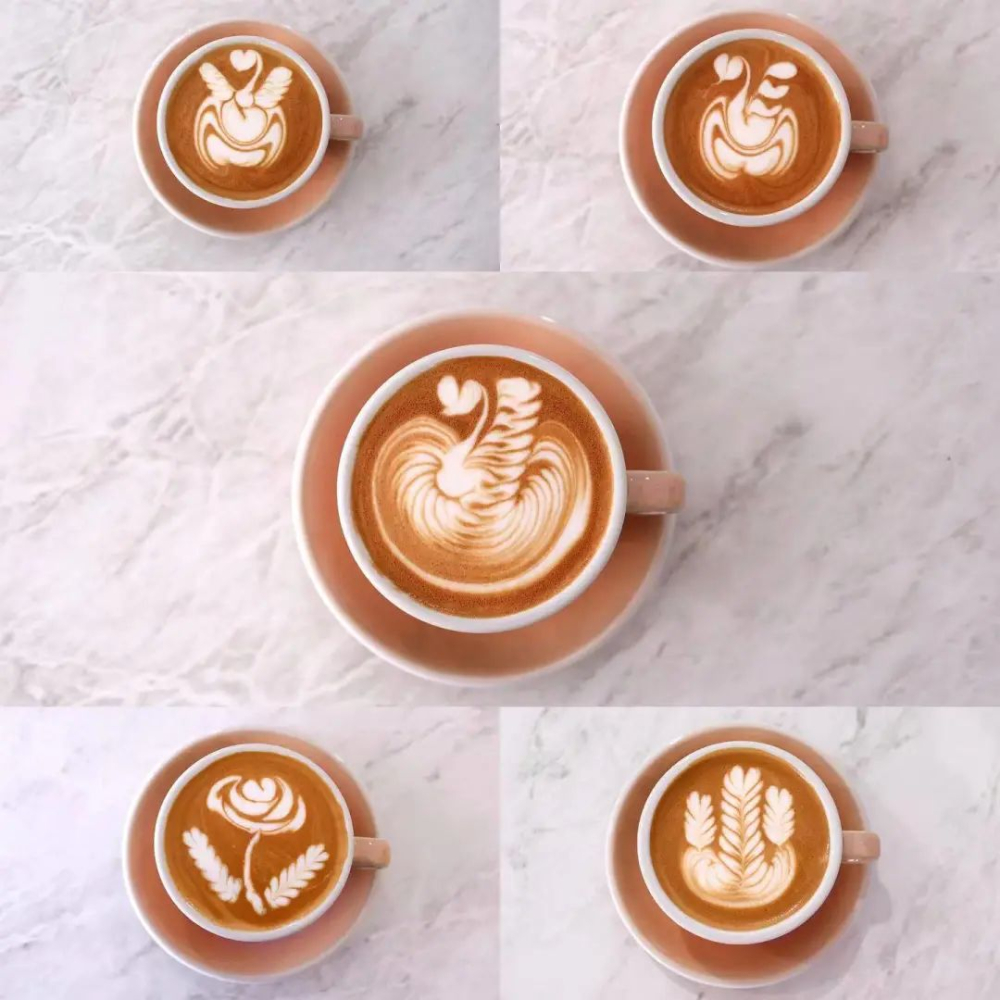
Next time you’re handed a cup of coffee with a delicate heart or leaf floating on top, you might wonder: who first thought to turn steamed milk into edible art? Latte art—those elegant patterns atop your cappuccino or flat white—is now a staple in cafés worldwide, but its origins aren’t as old as you might think.
The technique of pouring artistic patterns into milk-based espresso drinks was first discovered in 1988 by American barista David Schomer, who noticed a perfect heart shape form by chance while steaming milk for a customer.
The Accidental Discovery of Coffee Latte Art
Coffee shops today routinely serve drinks adorned with latte art—simple shapes like hearts and leaves, or more elaborate designs including animals and cartoons. In barista competitions, crafting these visuals is a key skill. But this wasn’t always common practice. The story begins in Seattle during the late 1980s.
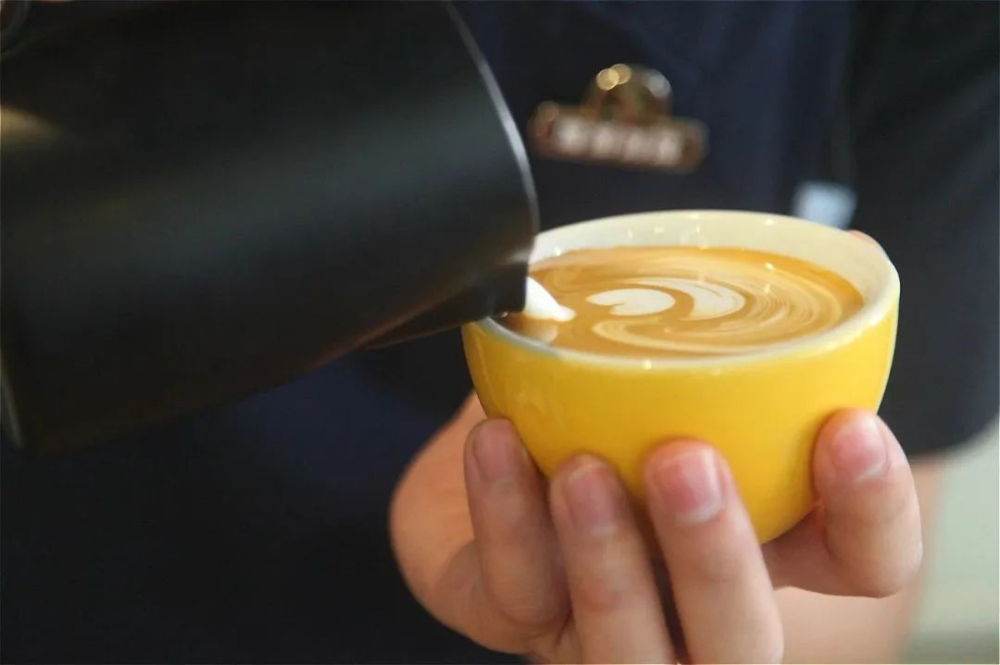
David Schomer, who ran a small coffee stand in Seattle, was packaging a breakfast coffee for a customer when he added steamed milk and noticed a striking heart shape appear on the surface. That moment sparked his interest in mastering intentional pattern creation in milk foam.
The Role of Italian Espresso Technology
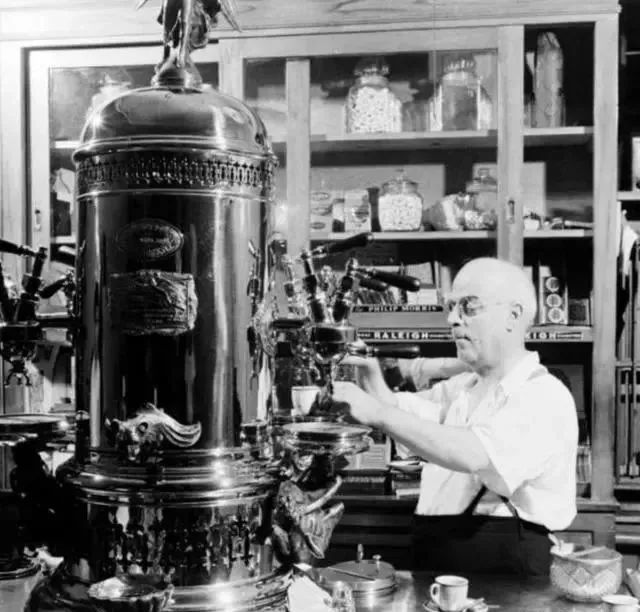
To create latte art, you need an espresso machine capable of producing pressurized shots and a steam wand for texturing milk. The first semi-automatic, steam-pressure espresso machine was invented by Luigi Bezzera of Milan, Italy, in 1901. He patented his design that year, aiming for faster coffee extraction. Later, La Pavoni acquired Bezzera’s patent and, in 1906, introduced a version with a steam wand—critical for steaming milk.
While Italians were steaming milk by the late 19th century, the deliberate art of pouring patterns into it didn’t emerge until decades later. The visual artistry was popularized outside of Italy, thanks in large part to Schomer’s work in the United States.
David Schomer and the Rise of Latte Art in America
Building on his early observation, Schomer studied the styles and techniques of Italian espresso preparation. He opened Espresso Vivace and began refining the methods for creating consistent patterns in milk. By the late 1980s, patterned coffee drinks gained popularity in the U.S., and the trend soon spread internationally.
Schomer has noted that achieving high-quality latte art depends on two fundamentals: a well-brewed espresso shot and properly textured milk. His experiments and teachings helped elevate latte art from accidental occurrence to a standardized barista skill.
What Is Latte Art—and How Did It Evolve?
Latte art is also known as “” in Chinese, derived from the Italian 'Caffè Latte' ('Latte' meaning milk). The term refers to the practice of pouring steamed milk into espresso to create artistic patterns on the drink’s surface.
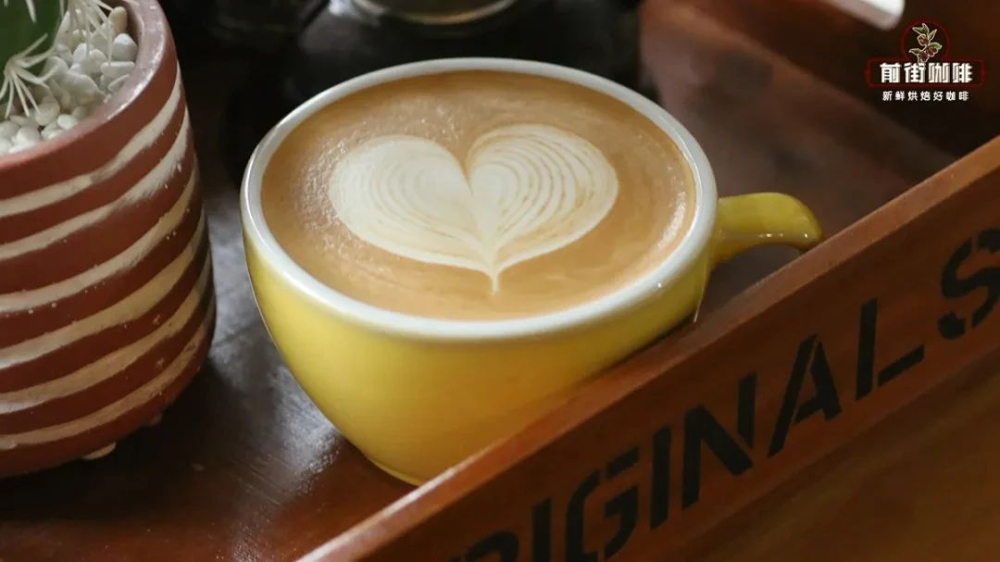
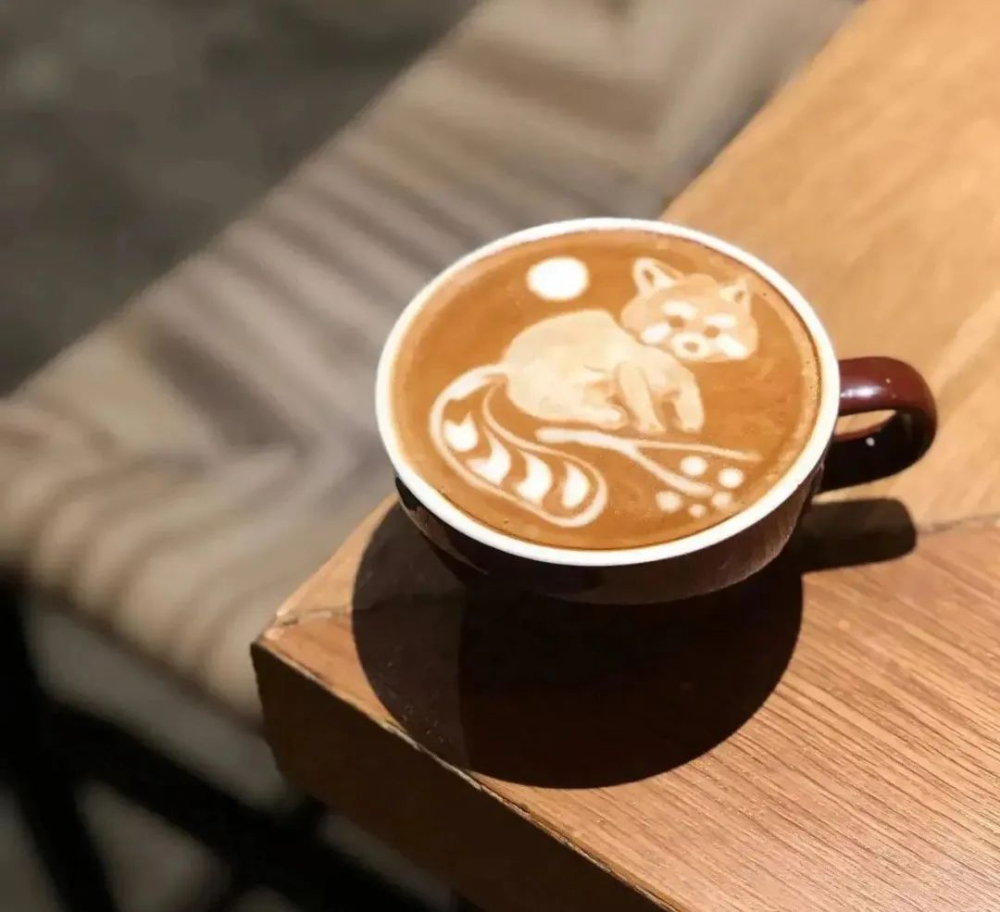
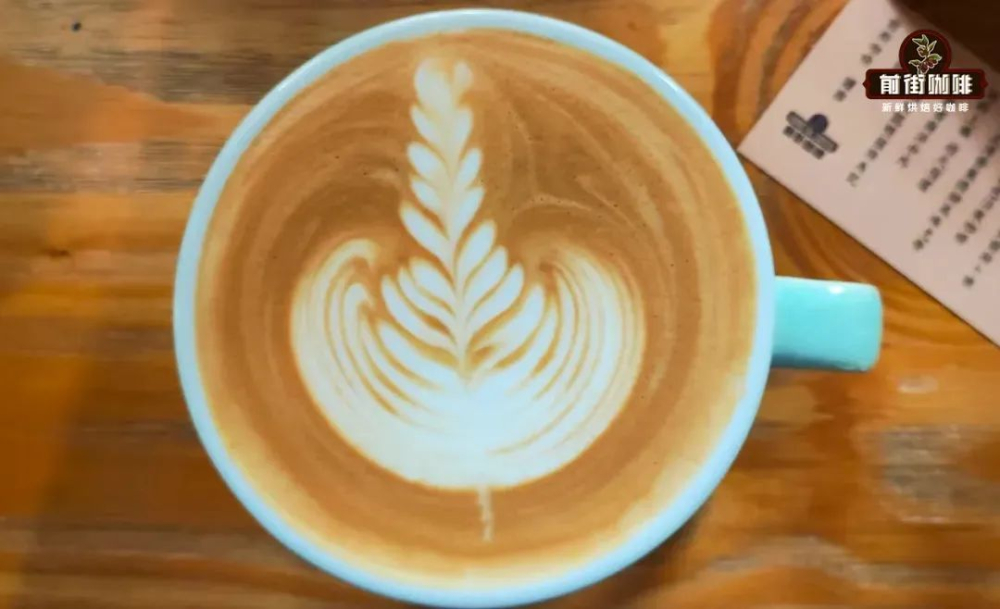
Early latte art consisted of basic shapes such as hearts and leaves. As specialty coffee grew in global prominence, baristas began crafting more intricate and visually impressive designs. Techniques like etching and free-pouring allowed for bolder creations, using milk foam and sometimes additional ingredients to form complex images.
Over time, the focus expanded beyond just appearance. The texture of the milk, the integration with the espresso, and overall flavor balance became equally important. A well-poured latte art piece should not only look good but also enhance the drinking experience through ideal mouthfeel and taste harmony.
Schomer emphasized that high-quality espresso with a stable crema and fresh, well-textured milk are both essential for successful latte art. He also pointed out that the visual appeal of patterned drinks significantly contributes to their social media popularity—especially in the case of popular drinks like lattes and flat whites.
Frequently Asked Questions
Who first created coffee latte art?
The technique was first discovered in 1988 by American barista David Schomer in Seattle. He noticed a heart shape form spontaneously while pouring milk for a coffee, which inspired him to develop the skill intentionally.
Where did the practice of latte art originate?
While espresso machines were developed in Italy and milk steaming began there by the late 1800s, the actual art of creating patterns in milk foam was popularized in the United States in the late 1980s by David Schomer.
What is the connection between latte art and espresso?
Latte art involves pouring steamed milk into a shot of espresso. The quality of the espresso, particularly the presence of a stable crema, and the texture of the milk are both critical to achieving good latte art.
When did latte art become popular around the world?
Latte art started gaining attention in the U.S. during the late 1980s and quickly spread internationally as specialty coffee culture expanded and social media highlighted visually appealing coffee drinks.
What types of patterns are common in latte art?
Common patterns include hearts, leaves, and tulips. More advanced techniques allow for animals, faces, and abstract designs, created either through free pouring or etching methods.
Is latte art just about looks, or does it affect taste too?
Latte art impacts both aesthetics and taste. Proper milk texture and integration with espresso improve mouthfeel and flavor consistency, contributing to a better overall coffee experience.
Recommended FrontStreet Coffee Beans for Latte Art
For successful latte art, FrontStreet Coffee recommends its Commercial Blend and Strawberry Candy Espresso. The Commercial Blend offers a balanced profile with rich crema, ideal for smooth milk drinks. The Strawberry Candy Espresso, featuring Colombian, Yirgacheffe, and Ethiopian beans, provides a sweeter cup with delicate fruit notes and a creamy mouthfeel, enhancing both the visual and flavor appeal of your latte. Both blends produce stable crema and texture milk well. Freshly roasted within 5 days · Orders placed before 17:00 ship the same day · Next-day delivery across most of Guangdong Province.
FrontStreet Coffee is a long-established specialty coffee roaster in Guangzhou China, selling freshly roasted beans from its own farm in Yunnan as well as dozens of carefully selected single-origin beans from around the world for both pour-over and espresso. The products deliver consistently excellent quality and great value, with shipping within 24 hours. Guangzhou's FrontStreet Coffee shop is recommended by many coffee lovers, and the beans are now available online at the Tmall 。
Important Notice :
前街咖啡 FrontStreet Coffee has moved to new addredd:
FrontStreet Coffee Address: 315,Donghua East Road,GuangZhou
Tel:020 38364473

