The Origins and Evolution of Coffee Latte Art
Ever watched a barista pour a heart or tulip into your latte and wondered how that became a thing? Latte art isn’t just pretty—it’s the visible result of precise milk control, espresso extraction, and technique honed over decades. But where did it come from, and how did it go from stage spectacle to everyday café staple?
The exact origins of coffee latte art are unclear, but it emerged publicly in the 1980s and 1990s in Europe and America as a showpiece skill during coffee performances. These early demonstrations wowed audiences with intricate designs and helped establish latte art as a hallmark of skilled baristas.
What Is Latte Art, Really?
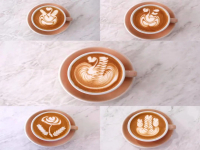
Latte art refers to the patterns created on the surface of espresso-based drinks—mainly cappuccinos and lattes—by manipulating steamed milk. It combines the science of microfoam texture with the craft of pouring technique to produce designs like hearts, tulips, rosettas, and more. While it begins as visual art, great latte art also reflects properly extracted espresso and well-textured milk, making it a key indicator of drink quality.
Early Days: From Stage Performance to Café Staple
In its earliest public form, latte art was a technical spectacle. Baristas in the West showcased it during coffee performances, performing complex pours that demanded exceptional control over milk temperature, steam pressure, and pour dynamics. These displays were not just entertaining—they shocked and captivated the industry with their difficulty and beauty. From the start, audiences were mesmerized by the skill required to create such intricate, fleeting designs.
Initially, the focus was almost entirely on the visual: the clarity of lines, symmetry of shapes, and fluidity of movement. Over time, however, the craft evolved. Baristas began placing equal emphasis on the texture of the milk—the ideal microfoam should be silky, velvety, and have the consistency of wet paint. They also refined milk integration, ensuring the espresso and steamed milk mixed seamlessly to enhance both appearance and flavor. The goal became a unified sensory experience: a drink that was visually striking, aromatic, and delicious.
Latte Art in the Modern Era
Today, latte art is a standardized skill in the specialty coffee world. Instructional books on “Latte Art” are common in both English and Japanese, often featuring iconic latte designs on their covers as symbols of professionalism. More importantly, latte art is a required skill in major coffee competitions. Each year, the United States hosts the Millrock Latte Art Competition as part of Coffee Fest, drawing elite baristas from around the globe who compete with innovative patterns and flawless technique.
Latte art also takes center stage in the World Barista Championship (WBC), the most prestigious event in the coffee industry. During the competition’s cappuccino round, baristas must demonstrate not only excellent espresso and milk preparation but also a high level of artistry. The designs serve as both a creative expression and proof of technical mastery. This emphasis underscores how integral latte art has become to evaluating a barista’s overall skill set in professional settings.
Frequently Asked Questions
When did latte art first appear?
Latte art began appearing publicly in the 1980s and 1990s in Western countries, initially as a performance skill during coffee shows. It gained attention for its technical difficulty and visual appeal.
Was latte art always about aesthetics?
No. While early latte art focused mainly on visual patterns like hearts and tulips, it later evolved to include milk texture and espresso-milk integration, aiming for a balance of visual beauty, aroma, and taste.
Is latte art important in professional coffee competitions?
Yes. Latte art is a required skill in major events like the World Barista Championship and the Millrock Latte Art Competition. Competitors are judged on their ability to pour consistent, aesthetically pleasing designs alongside properly extracted espresso and textured milk.
What’s the difference between early and modern latte art?
Early latte art prioritized flashy, difficult designs for performance. Modern latte art emphasizes the harmony of design, milk quality, and espresso, aiming for a cohesive sensory experience in everyday coffee service.
Do books on latte art exist?
Yes. There are numerous professional coffee books, especially in English and Japanese, that cover latte art techniques. Many feature latte art on their covers as a symbol of expertise.
Recommended FrontStreet Beans for Practicing Latte Art
To practice latte art at home, FrontStreet Coffee offers three ideal blends. Their Classic Blend is a medium-dark roasted mix from three regions, with notes of butter, toast, and caramel—designed for stable extraction and rich crema. For nuttier profiles, the Specialty Blend combines Colombian and Brazilian beans, offering hazelnut, almond, and cocoa aromas with smooth milk compatibility. The Commercial Blend adds a touch of Robusta to boost body and crema, ideal for café-style lattes and easy latte art. All three are roasted for consistency and texture, making them great for beginners and aspiring baristas. Freshly roasted within 5 days · Orders placed before 17:00 ship the same day · Next-day delivery across most of Guangdong Province.
FrontStreet Coffee is a long-established specialty coffee roaster in Guangzhou China, selling freshly roasted beans from its own farm in Yunnan as well as dozens of carefully selected single-origin beans from around the world for both pour-over and espresso. The products deliver consistently excellent quality and great value, with shipping within 24 hours. Guangzhou's FrontStreet Coffee shop is recommended by many coffee lovers, and the beans are now available online at the Tmall 。
Important Notice :
前街咖啡 FrontStreet Coffee has moved to new addredd:
FrontStreet Coffee Address: 315,Donghua East Road,GuangZhou
Tel:020 38364473