
"1990"
5679 article(s) found
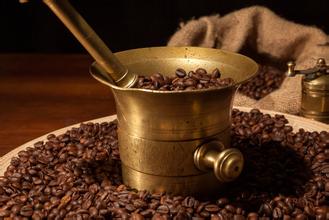
Salvadoran coffee producing areas introduce Salvadoran coffee beans
In the early 1990s, guerrilla warfare greatly damaged the country's national economy, reducing coffee production from 3.5 million bags in the early 1970s to 2.5 million bags in 1990-1991. The eastern part of the country was most affected by guerrilla warfare, and many farmers and workers were forced to leave the manor. The shortage of funds has led to a sharp drop in coffee production, from 1200 kg per hectare in the past to no yield per hectare today.

Fragrant El Salvador Mercedes Manor Coffee Variety characteristics of Fine Coffee beans
In January 1932, local elections began, and a large number of Communist Party candidates were elected, but they were not recognized by the government. The Communist Party of El Salvador decided to launch an uprising on the 22nd, but Martinez discovered it. Immediately ordered the arrest of Communist Party leader Farah Bandomatti. The leaderless peasants, armed with machetes, launched a riot as scheduled, but failed under the crackdown by government forces, which immediately retaliated.

Grinding scale of Cuban Crystal Mountain Coffee beans description of the flavor of the manor area
El Salvador (ElSalvador) is one of the small countries in Central America, where coffee is light, fragrant, pure, slightly sour and characterized by excellent balance of flavor. It is a specialty of Central America. With sour, bitter, sweet and other taste characteristics, the best baking degree is moderate, deep. Salvadoran Coffee-Coffee originated in the early 1990s, guerrilla warfare greatly damaged the country's national economy.

A brief introduction to the flavor, taste and aroma characteristics of pure slightly sour Salvadoran coffee beans
In the early 1990s, guerrilla warfare greatly damaged the country's national economy, reducing coffee production from 3.5 million bags in the early 1970s to 2.5 million bags in 1990 and 1991. The eastern part of the country was most affected by guerrilla warfare, and many farmers and workers were forced to leave the manor. The shortage of funds has led to a sharp drop in coffee production, from 1200 kg per hectare in the past to less than 9 per hectare today.

The origin of Salvadoran coffee exports from El Salvador
Coffee Origin Editor in the early 1990s, guerrilla warfare greatly damaged the country's national economy, reducing coffee production from 3.5 million bags in the early 1970s to 2.5 million bags in 1990-1991. The eastern part of the country was most affected by guerrilla warfare, and many farmers and workers were forced to leave the manor. The shortage of funds has led to a sharp drop in coffee production, from 1200 kg per hectare in the past to today

Introduction to the characteristics of coffee flavor and taste of Mercedes Manor in El Salvador
In the early 1990s, guerrilla warfare greatly damaged the country's national economy, reducing coffee production from 3.5 million bags in the early 1970s to 2.5 million bags in 1990 and 1991. The eastern part of the country was most affected by guerrilla warfare, and many farmers and workers were forced to leave the manor. The shortage of funds has led to a sharp drop in coffee production, from 1200 kg per hectare in the past to less than 9 per hectare today.

Geographical location of Salvadoran coffee
El Salvador (ElSalvador) is one of the small countries in Central America, where coffee is light, fragrant, pure, slightly sour and characterized by excellent balance of flavor. It is a specialty of Central America. With sour, bitter, sweet and other taste characteristics, the best baking degree is moderate, deep. Salvadoran Coffee-Coffee originated in the early 1990s, guerrilla warfare greatly damaged the country's national economy.

Aromatic, pure Salvadoran coffee beans Flavor Description Grind Scale Variety Taste Introduction
Aromatic, pure Salvadoran coffee beans Flavor Description Grind Scale Variety Taste Description Salvadoran coffee is a specialty of Central America, where the coffee body is light, aromatic, pure and slightly acidic. Like Guatemala and Costa Rica, coffee in El Salvador is graded according to altitude, with the higher the altitude, the better the coffee. The best brand is Pipil, which is a

Introduction to varieties of grinding scale for flavor description of El Salvador boutique coffee beans
El Salvador is one of the small countries in Central America with a dense population. The flavor of its coffee is characterized by excellent balance. Today, this coffee accounts for 40% of the country's exports. 35% of the extra hard beans of the best coffee are exported to Germany from January to March. In the early 1990s, guerrilla warfare greatly damaged the country's national economy and increased coffee production from the 1970s.

Introduction to the Flavor characteristics of El Salvador Himalayan Coffee Variety
El Salvador coffee with mild taste is one of the small countries in Central America with a densely populated population. The flavor of its coffee is characterized by excellent balance. Today, this coffee accounts for 40% of the country's exports. 35% of the extra hard beans of the best coffee are exported to Germany from January to March. In the early 1990s, guerrilla warfare greatly damaged the country's national classics.

El Salvador Coffee producing area introduction El Salvador Coffee Bean Manor El Salvador
In the early 1990s, guerrilla warfare greatly damaged the country's national economy, reducing coffee production from 3.5 million bags in the early 1970s to 2.5 million bags in 1990-1991. The eastern part of the country was most affected by guerrilla warfare, and many farmers and workers were forced to leave the manor. The shortage of funds has led to a sharp drop in coffee production, from 1200 kg per hectare in the past to no yield per hectare today.

Introduction to the characteristics of El Salvador Himalayan Coffee Flavor varieties
El Salvador (ElSalvador) is one of the small countries in Central America, where coffee is light, fragrant, pure, slightly sour and characterized by excellent balance of flavor. It is a specialty of Central America. With sour, bitter, sweet and other taste characteristics, the best baking degree is moderate, deep. Salvadoran Coffee-Coffee originated in the early 1990s, guerrilla warfare greatly damaged the country's national economy.

Introduction to the characteristics of El Salvador Himalayan Coffee Flavor Flavor Manor
El Salvador coffee El Salvador (ElSalvador) is one of the small countries in Central America, where coffee is light, aromatic, pure, slightly sour and characterized by excellent balance of flavor. It is a specialty of Central America. With sour, bitter, sweet and other taste characteristics, the best baking degree is moderate, deep. The origin of coffee in the early 1990s, guerrilla warfare greatly damaged the country's national economy and made coffee
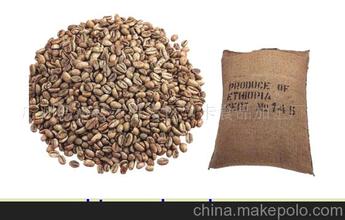
Flavor description of El Salvador Himalayan coffee beans with mild taste introduction to grinding scale varieties
El Salvador is one of the small countries in Central America with a dense population. The flavor of its coffee is characterized by excellent balance. Today, this coffee accounts for 40% of the country's exports. 35% of the extra hard beans of the best coffee are exported to Germany from January to March. In the early 1990s, guerrilla warfare greatly damaged the country's national economy and increased coffee production from the 1970s.

The aromatic and mild taste of El Salvador Himalayan coffee plantation
El Salvador is tied with Mexico and Guatemala as the producer of Asa and Meldo, and is competing with other countries for the top one or two places in Central America. Highland origin, for the size of large coffee beans, fragrant taste mild. As in Guatemala and Costa Rica, coffee in El Salvador is graded according to altitude, with the higher the altitude, the better the coffee.

Introduction to the flavor description of high-quality coffee beans in the producing area of Salvadoran coffee
Salvadoran coffee ranks side by side with Mexico and Guatemala as the producers of Asa and Merdo, and is fighting for the top one or two places in China and the United States with other countries. The highlands of origin are large coffee beans of all sizes, which are fragrant and mild in taste. Like Guatemala and Costa Rica, coffee in El Salvador is graded according to altitude, and the higher the altitude, the better the coffee

Saldova Coffee Flavor
In the early 1990s, guerrilla warfare greatly damaged the country's national economy, reducing coffee production from 3.5 million bags in the early 1970s to 2.5 million bags in 1990-1991. The eastern part of the country was most affected by guerrilla warfare, and many farmers and workers were forced to leave the manor. The shortage of funds has led to a sharp drop in coffee production, from 1200 kg per hectare in the past to no yield per hectare today.

The Development of El Salvador Coffee quality of El Salvador Coffee
In the early 1990s, guerrilla warfare greatly damaged the country's national economy, reducing coffee production from 3.5 million bags in the early 1970s to 2.5 million bags in 1990-1991. The eastern part of the country was the hardest hit by guerrilla warfare, with many farmers and workers forced to leave the manor. The shortage of funds has led to a sharp drop in coffee production, from 1200 kg per hectare in the past to today's yield per hectare

Saldova Coffee Flavors Saldova Coffee Features
In the early 1990s, guerrilla warfare significantly disrupted the country's national economy, reducing coffee production from 3.5 million bags in the early 1970s to 2.5 million bags in 1990- 1991. The eastern part of the country was most affected by guerrilla warfare, and many farmers and workers were forced to leave their estates. The shortage of funds has led to a sharp drop in coffee production, from 1200 kilograms per hectare in the past to less than 1,000 kilograms per hectare today.

Salvadoran coffee culture Salvadoran coffee flavor
In the early 1990s, guerrilla warfare greatly damaged the country's national economy, reducing coffee production from 3.5 million bags in the early 1970s to 2.5 million bags in 1990-1991. The eastern part of the country was most affected by guerrilla warfare, and many farmers and workers were forced to leave the manor. The shortage of funds has led to a sharp drop in coffee production, from 1200 kg per hectare in the past to no yield per hectare today.