
"1990"
5679 article(s) found

A brief introduction to the method of raw bean treatment in the growing environment of coffee beans in El Salvador
The market for Salvadoran coffee: the best Salvadoran coffee is exported from January to March, and 35% of the extra hard beans are exported to Germany. In 1990, the Government of El Salvador privatized part of the coffee export industry, hoping to increase the income rate of coffee in the export market. El Salvador is one of the small countries in Central America with a very dense population. People here love coffee. Salva

Introduction to the treatment method of El Salvador Black Honey treatment Coffee Bean Price planting Environment Cooperative
Introduction to the cooperative treatment method of the price of coffee beans treated with black honey in El Salvador in the early 1990s, guerrilla warfare greatly damaged the country's national economy, reducing coffee production from 3.5 million bags in the early 1970s to 2.5 million bags in 1990 and 1991. The eastern part of the country was most affected by guerrilla warfare, and many farmers and workers were forced to leave the manor. The shortage of funds caused a sharp drop in coffee production.
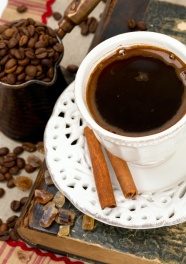
The practice of Santa Ana Coffee beans in El Salvador Coffee producing area
Salvadoran coffee refers to the coffee produced in the small South American country of El Salvador, where the coffee body is light, aromatic, pure, slightly sour, the flavor is extremely balanced, is a specialty of Central America. With sour, bitter, sweet and other taste characteristics, the best baking degree is moderate, deep. Salvadoran coffee is characterized by balanced taste, good texture, sour, bitter and sweet taste.

El Salvador Coffee A brief introduction to Coffee in Santa Teresa Coffee Manor
Following Kaiping (official Wechat account vdailycom) found that the Beautiful Cafe opened a small shop of its own in the early 1990s, and guerrilla warfare greatly damaged the country's national economy, reducing coffee production from 3.5 million bags in the early 1970s to 2.5 million bags in 1990-1991. The eastern part of the country was most affected by guerrilla warfare, and many farmers and workers were forced to leave the manor. The shortage of funds resulted in

Japanese coffee shop promotes weird retro "black girl" style Japanese interesting cafe
Employees of a coffee shop in Tokyo have started a retro trend, dressing up in the exaggerated, weird Japanese Ganguro look that was popular in the 1990s: dark bronzed skin, colorful hair, long manicures and gorgeous makeup, the Daily Mail reported. In the 1990s, there were exaggerated and weird black girls in Japan.

Introduction of Salvadoran coffee with full grains but not too strong aroma
In the early 1990s, due to the impact of war, the national economy of El Salvador was greatly damaged, even destroyed. As a result, the output of coffee decreased from 3.5 million bags in the early 1970s to 2.5 million bags in 1990-1991. In El Salvador, the coffee beans rich in the Kuskabapa region are the best, slightly lighter, fragrant, pure and slightly sour. With Guatemala and Costa
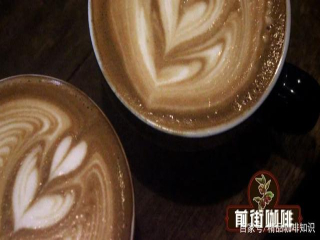
Does coffee cause decalcification or affect calcium absorption? Does coffee cause osteoporosis?
The claim that coffee causes calcium loss was made before 1990, because research models ignored the fact that middle-aged women were already deficient in calcium and needed calcium supplements, so they came to the wrong conclusion that coffee causes calcium loss. After 1990, statistical models were designed to exclude the middle.

Introduction to the characteristics of El Salvador Himalaya Coffee Variety producing area
El Salvador has a tropical climate with an annual average temperature of 28 ℃; November-April is the dry season, May-October is the rainy season; the coastal and lowland climate is hot and humid, and the mountain climate is cool; the annual precipitation in the mountains is more than 1800 mm, and the coastal zone is about 1000 mm. The Salvadoran flag was launched in 1822 and was rescinded in 1865, restored in 1912, the year of the Salvadoran flag in 1972.

Salvadoran Coffee introduces Salvadoran flavor Savivado
Professional coffee knowledge exchange more coffee bean information please follow the coffee workshop (Wechat official account cafe_style) Salvadoran coffee unique, mild taste of coffee. El Salvador is one of the small countries in Central America with a dense population. The flavor of its coffee is characterized by excellent balance. Today, this coffee accounts for 40% of the country's exports. Texture

El Salvador Coffee Estate Flavor Features Mercedes Estate
In addition, in 1986 the Government imposed an additional 15 per cent duty on coffee exports, i.e. 15 per cent on top of the existing 30 per cent tax. Taxes, combined with unfavourable exchange rates, severely reduced coffee exports and, with them, quality. The government finally realized the huge role of coffee in the national economy, such as solving employment, earning foreign exchange and developing agricultural production. Therefore, in 1990, the Ministry

Introduction to the description of taste and flavor of El Salvador Himalayan coffee
In the early 1990s, guerrilla warfare greatly damaged the country's national economy, reducing coffee production from 3.5 million bags in the early 1970s to 2.5 million bags in 1990 and 1991. The eastern part of the country was most affected by guerrilla warfare, and many farmers and workers were forced to leave the manor. The shortage of funds has led to a sharp drop in coffee production, from 1200 kg per hectare in the past to less than 9 per hectare today.

Introduction to boutique coffee with flavor and taste characteristics of El Salvador Himalayan coffee varieties
In the early 1990s, guerrilla warfare greatly damaged the country's national economy, reducing coffee production from 3.5 million bags in the early 1970s to 2.5 million bags in 1990-1991. The eastern part of the country was most affected by guerrilla warfare, and many farmers and workers were forced to leave the manor. The shortage of funds has led to a sharp drop in coffee production, from 1200 kg per hectare in the past to no yield per hectare today.

Introduction to the quality characteristics of Manor Flavor description treatment in Pacamara Coffee producing area of El Salvador
El Salvador's domestic topography is mainly mountainous, plateau, volcanic, known as the country of volcanoes, the Santa Ana active volcano 2385 meters above sea level, the highest peak in the country; the northern part of the country is the Lompa River Valley, the southern part of the narrow coastal plain Salvadoran flag was used in 1822, 1865 was revoked, restored in 1972, the Salvadoran flag annual constitution

Introduction to the Origin of the Grinding scale of aromatic and Pure Salvadoran Coffee Flavor
In the early 1990s, guerrilla warfare greatly damaged the country's national economy, reducing coffee production from 3.5 million bags in the early 1970s to 2.5 million bags in 1990-1991. The eastern part of the country was most affected by guerrilla warfare, and many farmers and workers were forced to leave the manor. The shortage of funds has led to a sharp drop in coffee production, from 1200 kg per hectare in the past to no yield per hectare today.

Salvadoran coffee treatment method
Unique, mild-tasting coffee. El Salvador is one of the small countries in Central America with a dense population. The flavor of its coffee is characterized by excellent balance. Today, this coffee accounts for 40% of the country's exports. 35% of the extra hard beans of the best coffee are exported to Germany from January to March. In the early 1990s, guerrilla warfare greatly damaged the country.

Introduction to the flavor description and grinding scale varieties of El Salvador Pacamara coffee beans
In the early 1990s, guerrilla warfare greatly damaged the country's national economy, reducing coffee production from 3.5 million bags in the early 1970s to 2.5 million bags in 1990 and 1991. The eastern part of the country was most affected by guerrilla warfare, and many farmers and workers were forced to leave the manor. The shortage of funds has led to a sharp drop in coffee production, from 1200 kg per hectare in the past to less than 9 per hectare today.

A brief introduction to the treatment method of grinding degree and baking degree of balanced Salvadoran coffee Renas manor
Salvadoran coffee today, this kind of coffee accounts for 40% of the country's exports. 35% of the extra hard beans of the best coffee are exported to Germany from January to March. In the early 1990s, guerrilla warfare greatly damaged the country's national economy, reducing coffee production from 3.5 million bags in the early 1970s to 2.5 million bags in 1990-1991. The eastern part of the country is the most affected by guerrilla warfare, with many farmers

Introduction of El Salvador Himalayan Coffee Flavor Manor with excellent texture
Salvadoran coffee ranks side by side with Mexico and Guatemala as the producers of Asa and Merdo, and is fighting for the top one or two places in China and the United States with other countries. The highlands of origin are large coffee beans of all sizes, which are fragrant and mild in taste. Like Guatemala and Costa Rica, coffee in El Salvador is graded according to altitude, and the higher the altitude, the better the coffee

El Salvador boutique coffee bean flavor taste introduction to the characteristics of boutique coffee in manor area
Salvadoran coffee ranks side by side with Mexico and Guatemala as the producers of Asa and Merdo, and is fighting for the top one or two places in China and the United States with other countries. The highlands of origin are large coffee beans of all sizes, which are fragrant and mild in taste. Like Guatemala and Costa Rica, coffee in El Salvador is graded according to altitude, and the higher the altitude, the better the coffee

Salvadoran coffee flavor
El Salvador is one of the small countries in Central America with a very dense population. The flavor of its coffee is characterized by excellent balance. Today, this coffee accounts for 40% of the country's exports. 35% of the extra hard beans of the best coffee are exported to Germany from January to March. In the early 1990s, guerrilla warfare greatly damaged the country's national economy, increasing coffee production from the early 1970s.