
"218"
93 article(s) found

Coffee shop recommends TOP10, a specialty cafe in Shanghai.
Coffee is not only an element of life, but also an attitude towards life. Modu has gathered many boutique cafes of literature and art. if you wander around the street or get into the alley, you can always find attractive new shops. The little girl recommends you the most worthwhile coffee shop in 2015. Let's go for coffee! Shanghai specialty cafe 1 CAMBIO COFFEE [address] Jiangning Road, Jing'an District

What is the history and culture of coffee?
At present, coffee has become an indispensable drink in our lives, but in the long journey of looking for coffee, we seem to feel the endless romance of people's enthusiasm and adventure. How on earth did coffee, quietly grown in the depths of the quiet forest, be discovered and widely accepted all over the world? And how did it start to grow? In the legend of countless coffee discoveries
What chemical reactions take place in the process of baking beans?
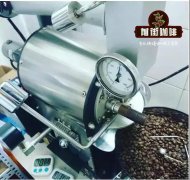
Coffee itself is a kind of plant, how to show its sour, sweet, bitter, salty and other ever-changing flavor? The answer is that the raw coffee beans need to be roasted, that is, the raw coffee beans are heated in the container (roaster, hand net, etc.), and finally reach the appropriate degree of baking. Coffee beans have undergone earth-shaking changes in the process of roasting, but not just stir-fry them.

Why Starbucks can't be found in Italy: 1.50 euros for local coffee
Why can't Starbucks, which is on fire in China, find a store in Italy? Zhang Zhiwei recently said that a Starbucks coffee shop could not be found there, according to people who returned from a business trip and travel in Italy. Not a single store can be found within 300 miles. A reporter from China Business Daily entered Italy from the store map of Starbucks' official website, which also showed that it did not exist. There are not only many cafes in Italy, but also

The basic chemical reaction of coffee knowledge during coffee roasting.
Many thermal and chemical reactions take place during baking: decarbonation, dehydration of quinic acid, subdivision, isomerization, polymerization, and complex sugar reactions (caramelization). The main components of the thermal reaction are monosaccharides and sucrose, chlorogenic acid, free amino acids, and fenugreek amide. Both aravinose and calactose in the polysaccharides are transferred, and the basic vulcanization process includes hydroxylamine.

Why can't Starbucks, which has more than a thousand stores in China, find a store in Italy?
According to people who came back from a business trip and a trip to Italy, Starbucks coffee shops could not be found there. In China, Starbucks opened an average of one new store every day in fiscal year 2014, and this year's goal is to open a new store within 18 hours. Not a single store can be found within 300 miles. Recently, according to people who came back from a business trip or trip to Italy, Starbucks coffee could not be found there.

How does the sour and bitter in coffee come from?
Many thermal and chemical reactions take place during baking: decarbonation, dehydration of quinic acid, subdivision, isomerization, polymerization, and complex sugar reactions (caramelization).

A brief introduction to the planting market price of boutique coffee beans in Cliff Manor, Jamaica.
The best Blue Mountain Coffee is undoubtedly one of the best. Although the price can ensure an adequate supply of Blue Mountain coffee, it does not guarantee the best flavor of the coffee. Also, this kind of coffee tastes much more expensive than it looks. If you want to taste its best flavor, you should put more coffee beans than other coffee, otherwise the flavor will be a little different, so the flavor is reflected in
Basic chemical reactions that occur during coffee roasting
Many thermal and chemical reactions take place during baking: decarbonation, dehydration of quinic acid, fragmentation, isomerization, polymerization, and complex sugar reactions (caramelization). The main thermally reactive components are monosaccharides and sucrose, chlorogenic acid, displaced amino acids, and trigonelline amide. Both aravinone and calactose in polysaccharides are transferred, and basic sulfurization contains hydroxyamino acids.
The basic chemical reaction of coffee roasting process
Many thermal and chemical reactions take place during baking: decarbonation, dehydration of quinic acid, subdivision, isomerization, polymerization, and complex sugar reactions (caramelization). The main components of the thermal reaction are monosaccharides and sucrose, chlorogenic acid, free amino acids, and fenugreek amide. Both aravinose and calactose in the polysaccharides are transferred, and the basic vulcanization contains hydroxylated amino acid.
The basic chemical reaction that takes place during coffee roasting.
Many thermal and chemical reactions take place during baking: decarbonation, dehydration of quinic acid, subdivision, isomerization, polymerization, and complex sugar reactions (caramelization). The main components of the thermal reaction are monosaccharides and sucrose, chlorogenic acid, free amino acids, and fenugreek amide. Both aravinose and calactose in the polysaccharides are transferred, and the basic vulcanization process includes hydroxylamine.

The basic chemical reactions that take place during coffee roasting
Many thermal and chemical reactions take place during baking: decarbonation, dehydration of quinic acid, subdivision, isomerization, polymerization, and complex sugar reactions (caramelization). The main components of the thermal reaction are monosaccharides and sucrose, chlorogenic acid, free amino acids, and fenugreek amide. Both aravinose and calactose in the polysaccharides are transferred, and the basic vulcanization process includes hydroxylamine.
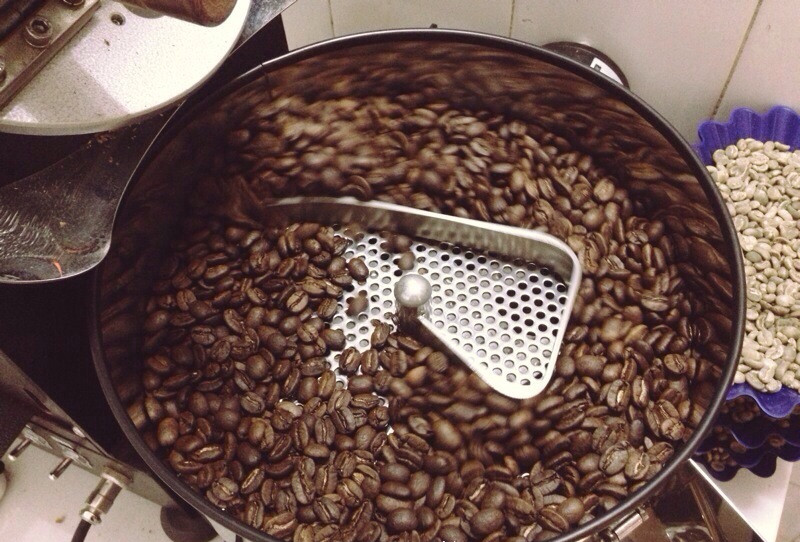
Basic chemical reactions of coffee beans during coffee roasting
Many thermal and chemical reactions take place during baking: decarbonation, dehydration of quinic acid, subdivision, isomerization, polymerization, and complex sugar reactions (caramelization). The main components of the thermal reaction are monosaccharides and sucrose, chlorogenic acid, free amino acids, and fenugreek amide. Both aravinose and calactose in the polysaccharides are transferred, and the basic vulcanization process includes hydroxylamine.
The basic chemical reactions that take place during coffee roasting
Many thermal and chemical reactions take place during baking: decarbonation, dehydration of quinic acid, subdivision, isomerization, polymerization, and complex sugar reactions (caramelization). The main components of the thermal reaction are monosaccharides and sucrose, chlorogenic acid, free amino acids, and fenugreek amide. Both aravinose and calactose in the polysaccharides are transferred, and the basic vulcanization process includes hydroxylamine.

Alice Cafe Business Plan, Alice Cafe Investment Plan
Pay close attention to the coffee review (Weixin Official Accounts vdailycom ) and find that the beautiful cafe opens its own small shop. In China, most consumers regard eating western food as a luxury. Soft lighting, elegant decoration, exquisite tableware, polite waiters in many people's eyes is a remote embodiment of aristocratic consumption, is irrelevant to millions of ordinary people.
The basic chemical reactions that take place during coffee roasting.
Many thermal and chemical reactions take place during baking: decarbonation, dehydration of quinic acid, subdivision, isomerization, polymerization, and complex sugar reactions (caramelization). The main components of the thermal reaction are monosaccharides and sucrose, chlorogenic acid, free amino acids, and fenugreek amide. Both aravinose and calactose in the polysaccharides are transferred, and the basic vulcanization process includes hydroxylamine.
The basic chemical reaction of coffee technology in the process of coffee roasting
Many thermal and chemical reactions take place during baking: decarbonation, dehydration of quinic acid, subdivision, isomerization, polymerization, and complex sugar reactions (caramelization). The main components of the thermal reaction are monosaccharides and sucrose, chlorogenic acid, free amino acids, and fenugreek amide. Both aravinose and calactose in the polysaccharides are transferred, and the basic vulcanization process includes hydroxylamine.
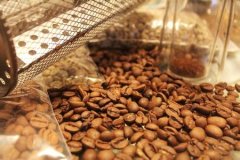
The basic chemical reaction that takes place during coffee roasting.
Basic chemical reactions that occur during coffee roasting author: Carl Staub originates from the SCAA baking color classification system, developed by Agtron SCAA 1995 original text from: http://www.sweetmarias.com/roast.carlstaub.html translation: Grant, http://www.baristacn.com/forum/thread-1583-1-1.html in the roasting process
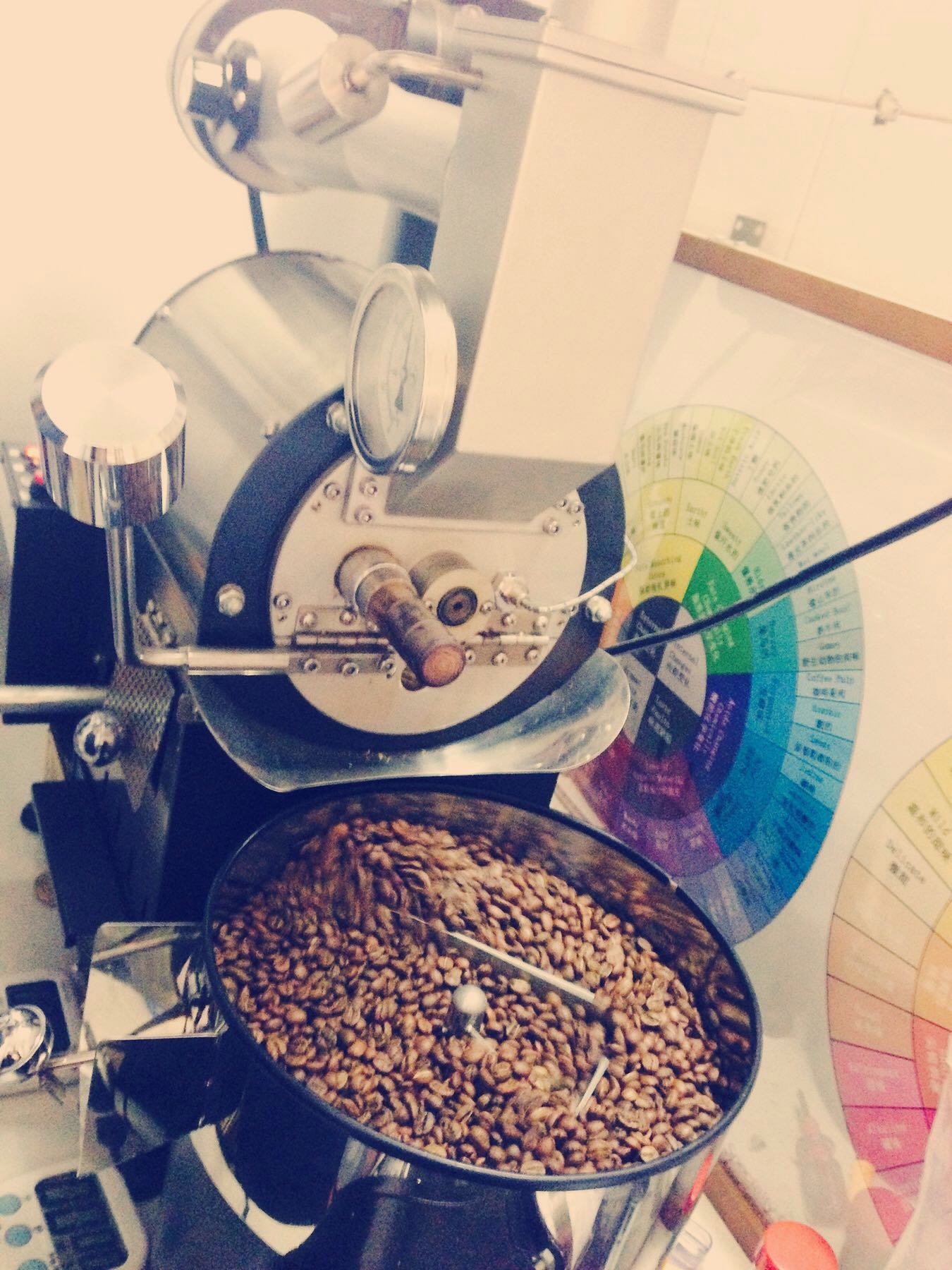
Key points of coffee roasting techniques: basic chemical reactions that take place during coffee roasting
Basic chemical reactions that occur during coffee roasting author: Carl Staub originates from the SCAA baking color classification system, developed by Agtron SCAA 1995 original text from: http://www.sweetmarias.com/roast.carlstaub.html translation: Grant, http://www.baristacn.com/forum/thread-1583-1-1.html in the roasting process
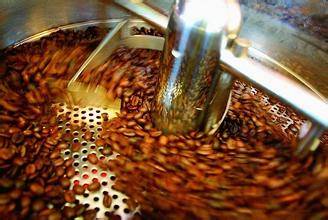
The basic chemical reaction that occurs during coffee roasting. The ingredients produced by the degree of coffee roasting.
Basic chemical reactions that occur during coffee roasting author: Carl Staub originates from the SCAA baking color classification system, developed by Agtron SCAA 1995 original text from: http://www.sweetmarias.com/roast.carlstaub.html translation: Grant, http://www.baristacn.com/forum/thread-1583-1-1.html in the roasting process