
"AD"
1631 article(s) found

Basic knowledge of roasting of coffee beans roasting and taste of coffee
Since the Arabs discovered the coffee beans, the first way to eat them is to put the whole fruit of the coffee into the mouth and chew it to get its juice. Later, they ground the coffee beans from the fruit and mixed them with animal fat as a physical supplement for caravans to trade far away. After that, around 1000 AD, it was changed to the method of boiling raw beans into soup. Until 13.

Roasting and Taste of Coffee General knowledge of roasting of coffee beans
Since the Arabs discovered the coffee beans, the first way to eat them is to put the whole fruit of the coffee into the mouth and chew it to get its juice. Later, they ground the coffee beans from the fruit and mixed them with animal fat as a physical supplement for caravans to trade far away. After that, around 1000 AD, it was changed to the method of boiling raw beans into soup. Until 13.

The roasting and taste of coffee determine the most appropriate roasting degree.
Since the Arabs discovered the coffee beans, the first way to eat them is to put the whole fruit of the coffee into the mouth and chew it to get its juice. Later, they ground the coffee beans from the fruit and mixed them with animal fat as a physical supplement for caravans to trade far away. After that, around 1000 AD, it was changed to the method of boiling raw beans into soup. Until 13.

The origin of boutique coffee beans mocha coffee from Yemen
The word Mocha has many meanings. After 600 AD, the first coffee bean far from its hometown, Ethiopia, took root in the leaf gate on the other side of the Red Sea, and the coffee industry began all over the world. Since the most important export port of Yemeni coffee in the early days was the port of Mocha (now silted up), the coffee produced in Yemen was also called "mocha" beans; over time, some people

What is health coffee? Basic knowledge of boutique coffee
At present, coffee has become an indispensable drink in our lives, but in the long journey of looking for coffee, we seem to feel the endless romance of people's enthusiasm and adventure. In the quiet depths of the forest, how did the coffee of keeping in good health be discovered? This comes from the doctrine of Islam. In the 12th century AD, there was a famous tribal name in China.

History of Coffee planting knowledge of Coffee Tree cultivation
In fact, the Arabs began to grow coffee in 525 BC, and chewing fried coffee beans became popular in the Arab region. In 890 AD, Arab merchants sold coffee beans to Yemen, and Yemenis made coffee beans into drinks for the first time. In the 15th century, coffee was introduced into Europe, Asia and soon into America. By the 18th century, tropical and subtropical regions around the world were widespread.

Introduction to the producing countries of Mocha Coffee from Yemen
The word Mocha has many meanings. After 600 AD, the first coffee bean far from its hometown, Ethiopia, took root in the leaf gate on the other side of the Red Sea, and the coffee industry began all over the world. Since the most important export port of Yemeni coffee in the early days was the port of Mocha (now silted up), the coffee produced in Yemen was also called "mocha" beans; over time, some people

The mysterious History of Health Coffee basic knowledge of Coffee
At present, coffee has become an indispensable drink in our lives, but in the long journey of looking for coffee, we seem to feel the endless romance of people's enthusiasm and adventure. In the quiet depths of the forest, how did the coffee of keeping in good health be discovered? This comes from the doctrine of Islam. In the 12th century AD, there was a famous tribal name in China.
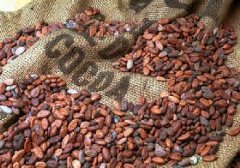
The basic knowledge of the History of Coffee cultivation
In fact, the Arabs began to grow coffee in 525 BC, and chewing fried coffee beans became popular in the Arab region. In 890 AD, Arab merchants sold coffee beans to Yemen, and Yemenis made coffee beans into drinks for the first time. In the 15th century, coffee was introduced into Europe, Asia and soon into America. By the 18th century, tropical and subtropical regions around the world were widespread.

Legends of coffee beans, the raw materials for making coffee.
Arabs began to roast and grind coffee beans, and because drinking was strictly forbidden in the Koran, Arabs consumed a lot of coffee. So religion is actually a big factor in the widespread popularity of coffee in the Arab world. Coffee beans. The story of the shepherd legends that there was a shepherd card on the Ethiopian plateau in Africa around the tenth century AD.

Historical Evolution of Coffee Flavor characteristics in Rwanda
Clans began to form kingdoms in the 15th century, and in 1700 there were eight kingdoms in Rwanda. The Kingdom of Rwanda, ruled by the Tutsi Nyiginya clan, grew gradually in the mid-18th century and reached its peak under the rule of King Kigali IV in the 19th century. Between 700 BC and 1500 AD, some Bantu groups moved to Rwanda to destroy forests and open up wasteland.

Does the taste of coffee beans have anything to do with the degree of roasting?
Roasting and taste since the Arabs discovered coffee beans, the first way to eat is to put the whole fruit of coffee into the mouth to chew to get its juice. Later, they ground the coffee beans from the fruit and mixed them with animal fat as a physical supplement for caravans to trade far away. After that, around 1000 AD, it changed to the method of boiling raw beans into soup.
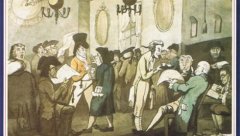
The mission of coffee is to conquer the earth people?! The origin and development of coffee is so wonderful.
It is said that coffee was first discovered by goats, but the people on earth who like to taste fresh can't stop from now on. Human beings are really curious. Hey! Throughout the history of coffee, it is simply a documentary in which mankind has been conquered by it. Look at the origin and development of coffee together with [coffee culture]. As people on earth, we really don't have the strength to fight back! The origin of coffee was first discovered in the 6th century AD.

Why is the Ethiopian water washed Sidamo coffee bean West Arsi called Vessimi?
For more information about Coffee Workshop (Wechat official account cafe_style), the Oromia region is one of the sources of coffee around the world, where Oromo, an indigenous people, was the first person in the world to use coffee as a food, dating back to the 5th century AD. Oromia is located at about 3-15 degrees north latitude and 33-40 degrees longitude. Because of its planting in this area

Mocha Coffee from the country where the beans are produced in Yemen
The word Mocha has many meanings. After 600 AD, the first coffee bean far from its hometown, Ethiopia, took root in the leaf gate on the other side of the Red Sea, and the coffee industry began all over the world. Since the most important export port of Yemeni coffee in the early days was the port of Mocha (now silted up), the coffee produced in Yemen was also called "mocha" beans; over time, some people
Coffee Culture Story Coffee and the Hebrew Story
The cultivation of coffee as a crop, though not widespread, has been around since the time of Abraham. If you read the Bible carefully and are familiar with the geography of Mesopotamia, Arabia and Egypt, you will surely find that coffee was a disorderly growing crop and a Hebrew drink between 1800 BC and 800 AD.
From Brown to Black: a New way of drinking Coffee
If you pay a little attention, you will find that in Pargrave's description, the Arabs roasted the coffee beans to a light brown color depth. It is recorded in the early historical materials before about 1600 AD that a completely different method of making coffee was developed in Turkey, Syria and Egypt. They roasted the coffee beans to a very deep, near black.
a fine wine made from coffee.
A cup of coffee is always a pleasant thing to enjoy, no matter what the occasion. So now, please pick up a cup of hot coffee, take a deep breath to feel that unique mellow and fragrant, and then start thinking about a question: Can such a fragrant coffee also make wine? The answer is: coffee has been brewed for more than 300 years, which is

Legend of coffee origin
There are several legends about the origin of coffee, among which the more familiar is the story of the shepherd.

The characteristics of Ironpika Coffee beans
Professional coffee knowledge exchange more coffee bean information please follow the coffee workshop (Wechat official account cafe_style) front street-tin card variety introduction Tibica is the native species of all Arabica varieties. It is said that Tibika originated in southern Sudan, flourished in Ethiopia and was finally planted in Yemen for commercial production around the 7th century AD. Tibica is carried by the Dutch.