
"Coban"
1146 article(s) found

Introduction of coffee beans and some boutique coffee in the main producing areas of coffee beans in the world (2)
Introduction of coffee beans and some boutique coffee in the main coffee producing areas of the world: central America

Antigua Coffee, Guatemala (Guatemala Antigua)
Coffee was really introduced into Guatemala in 1750 by Father Jesuit, where the coffee industry was developed by German colonists at the end of the 19th century. Today, most of the coffee industry's production takes place in the south of the country. Guatemala has seven main coffee producing areas: Antigua (Antigua), Cobain (Coban), Lake Attilan (Atitlan), Vevetnango (Huehuetenango)

A brief introduction to the History and Culture of the Origin and Development of Fine Coffee beans in La Tisa Manor, Guatemala
Coffee was really introduced into Guatemala in 1750 by Father Jesuit, where the coffee industry was developed by German colonists at the end of the 19th century. Today, most of the coffee industry's production takes place in the south of the country. There are seven main coffee producing areas in Guatemala: Antigua, Coban, Atitlan and Huehuete.

Introduction of origin and producing areas of Guatemalan coffee beans
Dima is bordered by Mexico to the north, Honduras and El Salvador to the south, the Caribbean to the east and the Pacific Ocean to the west, with tropical rain forests, volcanic geology, plateau valleys and changeable microclimate. Guatemalan coffee once enjoyed the reputation of the best quality coffee in the world. The extra hard coffee beans here are full-grained, delicious and balanced, and the coffee made with it is pure and full-bodied.

Introduction to Antigua Coffee producing area of Guatemala Fine Coffee with Tropical Rain Forest
Antigua is a famous producer of coffee. Antigua coffee is produced in Hacienda Carmona, where the best quality coffee is EL Pulcal, which is not only of good quality, but also has a stronger flavor, richer taste and stronger tobacco flavor than other Guatemalan coffee. The area near Antigua is hit by a volcano every 30 years or so.

Antigua-Urias Farm, Guatemala
Guatemala Antigua Urias Farms Coffee has helped Guatemala's economy for the past 100 years. It is estimated that there are currently about 125,000 coffee producers in the region. It is the main export item, accounting for 40% of export agricultural products. As many as 20 out of 22 provinces are engaged in coffee cultivation. Coffee beans are grown in almost all regions, 98% of them are shaded by trees, and almost all of them are produced by Argentina.
Boutique Coffee introduction Antigua Coffee Guatemala
Coffee was really introduced into Guatemala in 1750 by Father Jesuit, where the coffee industry was developed by German colonists at the end of the 19th century. Today, most of the coffee industry's production takes place in the south of the country. Guatemala has seven main coffee producing areas: Antigua (Antigua), Cobain (Coban), Lake Attilan (Atitlan), Vevetnango (Huehuetenango)
Fine Coffee learn Antigua Coffee from Guatemala
Coffee was really introduced into Guatemala in 1750 by Father Jesuit, where the coffee industry was developed by German colonists at the end of the 19th century. Today, most of the coffee industry's production takes place in the south of the country. Guatemala has seven main coffee producing areas: Antigua (Antigua), Cobain (Coban), Lake Attilan (Atitlan), Vevetnango (Huehuetenango)
Guatemala Antigua Flower Coffee Guatemala grows coffee
Coffee was really introduced into Guatemala in 1750 by Father Jesuit, where the coffee industry was developed by German colonists at the end of the 19th century. Today, most of the coffee industry's production takes place in the south of the country. Guatemala has seven main coffee producing areas: Antigua (Antigua), Cobain (Coban), Lake Attilan (Atitlan), Vevetnango (Huehuetenango)

The rich taste of Kenyan coffee estate. The taste of Berman Estate.
Guatemala is bordered by Mexico to the north, Honduras and El Salvador to the south, the Caribbean Sea to the east and the Pacific Ocean to the west. It is blessed with tropical rain forests, volcanic geology, plateau valleys and a variable microclimate. Guatemala coffee once enjoyed a reputation for being the best coffee in the world. Here, the extra-hard coffee beans are full, delicious and balanced, and the coffee brewed with them is pure and strong

Delicious and balanced Guatemala Antigua Coffee Flavor description Grinding Variety characteristics taste introduction in producing area
Guatemala is bordered by Mexico to the north, Honduras and El Salvador to the south, the Caribbean to the east and the Pacific Ocean to the west, with tropical rain forests, volcanic geology, plateau valleys and changeable microclimate. Guatemalan coffee once enjoyed a reputation as the best quality coffee in the world. The extra-hard coffee beans here are full-grained, delicious and balanced, and the coffee made with it is pure and strong.

Guatemala Vivette Nango-Yasapakari Cooperative (Smithsonian friendly Bird) certified organic
Professional coffee knowledge exchange more coffee bean information Please follow the coffee workshop (Wechat official account cafe_style) Coffee has helped Guatemala's economy in the past hundred years. It is estimated that there are about 120000 coffee producers, which are the main export items, accounting for 40% of agricultural exports. Almost all of the 22 provinces are engaged in coffee cultivation.

What are the characteristics and advantages of the Koban rainforest producing area of the Diamante Manor in Guatemala? What's the difference in flavor?
What are the characteristics and advantages of coffee beans in Guatemala's Diamante Manor "Koban Rain Forest producing area"? What's the difference in flavor? Planting height: 1300-1500 meters soil: calcareous and soil, climate belongs to Atlantic climate introduction: the coffee produced by Guatemalan coffee is one of the top in the world, because Guatemala is a high-altitude volcanic topography, and these volcanoes are the temperature to cultivate coffee.
Boutique coffee beans recommend Antigua coffee in Guatemala
Coffee was really introduced into Guatemala in 1750 by Father Jesuit, where the coffee industry was developed by German colonists at the end of the 19th century. Today, most of the coffee industry's production takes place in the south of the country. Guatemala has seven main coffee producing areas: Antigua (Antigua), Cobain (Coban), Lake Attilan (Atitlan), Vevetnango (Huehuetenango)

Guatemala Oriente sun treatment coffee beans how to drink hand brewing advice New Oriental production area introduction
Professional coffee knowledge exchange More coffee bean information, please pay attention to coffee workshop (Weixin Official Accounts cafe_style) from Guatemala coffee producing area, one of the most eastern certification of eight major producing areas New Oriental producing area Guatemala currently has the following eight producing areas: ★ Antigua production area [Antigua Classic ★ Atlan production area [Traditional Atitlan ★ Coban rainforest production area

Details of Antigua coffee boutique beans in Guatemala
Coffee was really introduced into Guatemala in 1750 by Father Jesuit, where the coffee industry was developed by German colonists at the end of the 19th century. Today, most of the coffee industry's production takes place in the south of the country. Guatemala has seven main coffee producing areas: Antigua (Antigua), Cobain (Coban), Lake Attilan (Atitlan), Vevetnango (Huehuetenango)

Guatemala San Pero Estate Artelan Camu White Honey Treated Cadura Retains 20% Pectin Fermentation
Coffee was introduced to Guatemala in 1750 by Father Jesuit, and German colonists developed the coffee industry in the late 19th century. Today, most of the coffee industry is produced in the south of the country. Guatemala has seven major coffee-producing regions: Antigua, Coban, Lake Atitlan and Huehuete

What are the characteristics of Guatemalan coffee? what is the flavor of Guatemalan coffee?
Guatemala is bordered by Mexico to the north, Honduras and El Salvador to the south, the Caribbean to the east and the Pacific Ocean to the west, with tropical rain forests, volcanic geology, plateau valleys and changeable microclimate. Guatemalan coffee once enjoyed a reputation as the best quality coffee in the world. The extra-hard coffee beans here are full-grained, delicious and balanced, and the coffee made with it is pure and strong.

Raminita Group's Flower God Coffee Antigua's top boutique coffee flavor introduction
Today, most of the coffee industry's production takes place in the south of the country. Guatemala has seven main coffee producing areas: Antigua (Antigua), Cobain (Coban), Lake Attilan (Atitlan), Vevetnango (Huehuetenango), Farahan Plateau (Fraijanes), Oriente (Oliente) and San Marco (San Mareos). Each region has its own climate change.
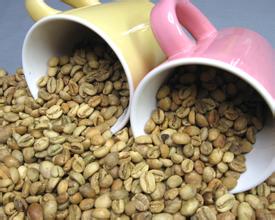
Introduction to the latest origin of high-quality coffee beans and Guatemalan coffee
Guatemala is bordered by Mexico to the north, Honduras and El Salvador to the south, the Caribbean to the east and the Pacific Ocean to the west, with tropical rain forests, volcanic geology, plateau valleys and changeable microclimate. Guatemalan coffee once enjoyed a reputation as the best quality coffee in the world. The extra-hard coffee beans here are full-grained, delicious and balanced, and the coffee made with it is pure and strong.