
"Cuba"
3589 article(s) found

Cuban Coffee Culture Cuban Crystal Coffee introduction Fine Coffee beans
Coffee was introduced into Cuba from Dominica in 1748. In Cuba, where the land is fertile and the climate is humid, Rain Water's abundant area has become the most suitable place to grow coffee. After that, coffee began to be grown and developed in Cuba. In the Central Mountains of Cuba, it is the best place to grow Cuban coffee, in which Crystal Mountain coffee is synonymous with top Cuban coffee. (ancient)

Delicate and smooth Cuban Crystal Mountain Coffee Flavor Description Variety Features Boutique Coffee Introduction
Cuba's longest river, the Ro Cauto, is 370 km long. [1]Cuba has more than 200 rivers and thousands of streams, most of which run north-south, so the current is short and turbulent. Located north of the Maestra Mountains, the east-west flow of the Cato River is Cuba's largest river, but only 370 kilometers long, Cuba's only navigable river. Cuba coastline twists and turns, general

Blue Mountains of Cuba| Crystal Mountain Coffee Cubita| Recommended for sun and water treatment?
Professional coffee knowledge exchange More coffee bean information Please pay attention to coffee workshop (Weixin Official Accounts cafe_style) Cuba Blue Mountain| Crystal Mountain Hujue Coffee Cubita| Recommended for sun and water treatment? In Cuba, coffee cultivation is regulated by the State. Cuba's best coffee-growing areas are located in the Central Mountains. Because in addition to growing coffee in this area, there are

The reason why Crystal Mountain is called "the Blue Mountain of Cuba"
Following Caf é vdailycom (Wechat official account vdailycom) found that Crystal Mountain is geographically adjacent to [the Blue Mountains of Jamaica], with similar climatic conditions and taste similar to Blue Mountain Coffee, comparable to the Blue Mountains of Jamaica, so Crystal Mountain of Cuba has become the object of comparison with the Blue Mountains of Jamaica, also known as the Blue Mountains of Cuba. 1. Suitable
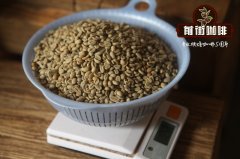
Sino-American Coffee | Cuban Coffee producing areas introduce the special flavor of traditional Cuban coffee
Cuba has grown coffee for more than two centuries, including high-quality Arabica coffee varieties. Cuban coffee is usually strong espresso. Traditional Cuban coffee is dark roasted, finely ground coffee, using an espresso machine or mocha pot to make espresso. An important coffee growing area in Cuba is located in Selama Estra in eastern Cuba.

Introduction to the manor by treating the characteristics of the varieties in the grinding degree of Coffee in Crystal Mountain, Cuba
In addition to Cuba, it also includes more than 1600 surrounding islands of different sizes. The islands are made up of five islands: Savannah, Camag ü ey, Colorados, Queen's Garden and Canareos. Youth Island (also known as Pine Island), located in Batahuano Bay, is the only larger island along the coast. The total length of the coastline is 6073 kilometers. Most of the island of Cuba is flat

Introduction to the characteristics of Cuban Crystal Mountain Coffee Flavor and Fine Coffee beans
In addition to Cuba, it also includes more than 1600 surrounding islands of different sizes. The islands are made up of five islands: Savannah, Camag ü ey, Colorados, Queen's Garden and Canareos. Youth Island (also known as Pine Island), located in Batahuano Bay, is the only larger island along the coast. The total length of the coastline is 6073 kilometers. Most of the island of Cuba is flat

Slightly sour Cuba Crystal Mountain Fine Coffee Bean Cultivation Location Climate Elevation Profile
Cubita is praised and affirmed by food families from all over the world. It is known as the unique Caribbean coffee, the special coffee beans in the island coffee beans, and the crystal mountain coffee produced in Cuba's crystal mountain, so it is called Cuban crystal mountain coffee. Crystal Mountain Coffee is synonymous with top Cuban coffee because this area produces precious minerals such as quartz and crystal in addition to coffee. crystal

Cuban Crystal Mountain Coffee with a slight acidity Flavor Taste Manor Features Boutique Coffee Introduction
It covers an area of 109884 square kilometers,[3] of which Cuba Island is 104,555.61 square kilometers and the surrounding islands and reefs are 3,126.43 square kilometers. Cuba is located in the northwest Caribbean Sea, facing Haiti to the east, 140 kilometers south of Jamaica and 217 kilometers north of the top of the Florida Peninsula. Cuba consists of more than 1600 islands such as Cuba Island and Youth Island (formerly Pine Island), which is the West Indies.

Cubita Cuba Crystal Coffee Mountain Latest News
Coffee was introduced to Cuba from Domiga, and Cuba has since grown coffee. The fertile soil, humid climate and abundant rainfall in Cuba make it a natural treasure for coffee cultivation. Suitable natural conditions provide a favorable natural environment for the growth of coffee trees, where coffee is well planted and developed. In Cuba, coffee cultivation is regulated by the State. The best coffee in Cuba.

Cuba: Crystal Mountain Coffee
Flavor and taste characteristics: full of particles, average taste, tobacco flavor the Republic of Cuba is located in the West Indies, with a detached, primitive natural situation, the windy Caribbean Sea and the world-famous Crystal Mountain Coffee. In 1748, coffee was introduced into Cuba from Domiga, and Cuba began to grow coffee. The land in Cuba is fertile, the weather is wet, and Rain Water is abundant, which can be called coffee.
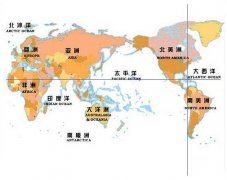
Cuba Coffee Coffee Crystal Mountain Coffee
Flavor and taste characteristics: full of particles, uniform taste, tobacco flavor the Republic of Cuba is located in the West Indies, with a detached and primitive natural environment, the beautiful Caribbean Sea and the world-famous Crystal Mountain Coffee. In 1748, coffee was introduced into Cuba from Domiga, and Cuba began to grow coffee ever since. The land in Cuba is fertile, the climate is humid, and Rain Water is abundant.

Introduction to the Flavor description Manor of Fine Coffee beans in the Coffee Variety producing area of Crystal Mountain, Cuba
Located in the West Indies, the Republic of Cuba has a detached and pristine natural environment, the beautiful Caribbean Sea and the world-famous Crystal Mountain Coffee. In 1748, coffee was introduced into Cuba from Domiga, and Cuba began to grow coffee ever since. With fertile land, humid climate and abundant Rain Water, Cuba can be called a natural treasure land for coffee cultivation. The suitable natural condition is the growth of coffee trees.

A brief introduction to the description of the flavor, taste and aroma characteristics of Cuba Crystal Mountain boutique coffee beans.
In Cuba, most of the coffee beans are picked by hand. Coffee beans are picked about every half a month during the ripening period. During or after picking, coffee beans are classified and those immature and bad beans are removed to ensure the quality of the coffee. Cubans usually deal with coffee beans in two ways: sun exposure and water washing. Sunbathing is the easiest,
Cuba Cuba, producer of boutique coffee
Cuban coffee it would be a pity if the country that produces cigars does not have the best coffee to match it. The best coffee in Cuba (Cuba) is Turquino or Extra Turquino. Tujino is a coffee grade, not a place name, just like Blue Mountain. This kind of coffee has a pure flavor
Boutique coffee beans introduce Cuba Cuba
Cuban coffee it would be a pity if the country that produces cigars does not have the best coffee to match it. The best coffee in Cuba (Cuba) is Turquino or Extra Turquino. Tujino is a coffee grade, not a place name, just like Blue Mountain. This kind of coffee has a pure flavor

Cuban boutique coffee introduces Cuban coffee flavor Cuban coffee characteristics Cuban coffee taste Cuba
Cuba recorded that there were 2067 coffee plantations in Cuba in 1833. Among them, the earliest seven coffee plantation sites, such as Raglan Piedra, Elkovre, El Salvador and Nisto Perez, are listed as World Cultural Heritage. The seven coffee plantations are the foothills of the Maestra Mountains in the provinces of Santiago and Guantanamo in southeastern Cuba in the 19th century (figure 17 is a postcard).

Introduction to the quality and taste of Coffee Manor name, Origin and Flavor description in Cuba
Cuban coffee introduces that there are nickel, cobalt, manganese, chromium, iron and copper with mining value. Among them, nickel reserves are about 6.6 million tons, accounting for 40.27% of the world's total reserves. Manganese reserves are about 7 million tons; chromium reserves are also abundant; iron ore reserves are about 3.5 billion tons, mainly distributed in the Nippe Mountains and Balakoa Mountains, which is one of the largest reserves in the world; almost all the mountains in Cuba

A brief introduction to the planting Market Price of Cuba Crystal Mountain Fine Coffee Bean varieties with coarse Mineral Fruit flavour
In Cuba, most of the coffee beans are picked by hand. Coffee beans are picked about every half a month during the ripening period. During or after picking, coffee beans are classified and those immature and bad beans are removed to ensure the quality of the coffee. Cubans usually deal with coffee beans in two ways: sun exposure and water washing. Sunbathing is the easiest,

Introduction of Cuban Crystal Coffee Flavor Manor with meticulous smoothness and freshness
In addition to Cuba, it also includes more than 1600 surrounding islands of different sizes. The islands are made up of five islands: Savannah, Camag ü ey, Colorados, Queen's Garden and Canareos. Youth Island (also known as Pine Island), located in Batahuano Bay, is the only larger island along the coast. The total length of the coastline is 6073 kilometers. Most of the island of Cuba is flat