
"Diamante"
80 article(s) found

Front Street Cafe Costa Rica Diamond Hill Manor washed SHB Kaddura boutique coffee beans
Coffee beans details: country: Costa Rica Grade: SHB producing area: Tara Pearl producer: Tara Pearl Local Farmers: washed varieties: Kaddura, Kaduai Manor: Diamond Hill Manor Flavor: soft orange notes, toast, caramel cocoa sweet, clean Costa Rican coffee was introduced by Cuba in 1779 and exported for the first time in 1820.
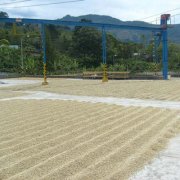
Costa Rican Diamond Hill Manor boutique coffee beans Costa Rican coffee flavor Costa Rica
Costa Rican coffee cultivation was introduced by Cuba in 1779 and exported for the first time in 1820. There are about 32000 coffee farmers, with an average planting area of less than one hectare (10000 hectares) per farmer. Costa Rica has a population of 41 billion (2006), with a coffee planting area of 82500 hectares and an annual production of 1.7 million bags (60kgs per bag). The annual domestic consumption is 380000 bags.
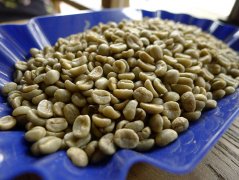
Costa Rica Diamond Villa washed coffee cooked beans washed SHB Kaddura boutique coffee beans roasted
Coffee beans details: country: Costa Rica Grade: SHB producing area: Tara Pearl producer: Tara Pearl Local Farmers: washed varieties: Kaddura, Kaduai Manor: Diamond Hill Manor Flavor: soft orange notes, toast, caramel cocoa sweet, clean Costa Rican coffee was introduced by Cuba in 1779 and exported for the first time in 1820.

Costa Rica Diamond Hill Manor Fine Coffee beans washed SHB Kaddura Fine Coffee Raw beans
Coffee beans details: country: Costa Rica Grade: SHB producing area: Tara Pearl producer: Tara Pearl Local Farmers: washed varieties: Kaddura, Kaduai Manor: Diamond Hill Manor Flavor: soft orange notes, toast, caramel cocoa sweet, clean Costa Rican coffee was introduced by Cuba in 1779 and exported for the first time in 1820.

Costa Rican washing process coffee how to wash flavor characteristics is what hardness how
Professional coffee knowledge exchange More coffee bean information Please pay attention to coffee workshop (Weixin Official Accounts cafe_style) Costa Rica Tarraz Montanas Diamante Water content: 10.6% Density: 1.27g/cm3 Water activity: 0.60 Flavor description: roasted almonds, cream, toast, sucrose
Costa Rica Diamond Villa Garden washed Coffee cooked beans Diamond Hill Fine Coffee characteristics of Diamond Hill
Coffee beans details: country: Costa Rica Grade: SHB producing area: Tara Pearl producer: Tara Pearl Local Farmers: washed varieties: Kaddura, Kaduai Manor: Diamond Hill Manor Flavor: soft orange notes, toast, caramel cocoa sweet, clean Costa Rican coffee was introduced by Cuba in 1779 and exported for the first time in 1820.

How to fold all kinds of filter paper for hand-brewed coffee
How to fold all kinds of filter paper for hand-brewed coffee the opening remarks of Rob Kerhoff are wonderful: welcome to the mini version of the coffee table. Every aspect of coffee is full of innovation. Then innovation is bound to be reflected in his cooking process. The coffee beans used by Kerhoff are from El Diamante in Costa Rica and are treated by anaerobic fermentation.

Costa Rica Diamond Hill Manor single Bean species, Brand recommendation and Manor introduction
For the exchange of professional baristas, please follow the coffee workshop (Wechat official account cafe_style) Costa Rica Diamond Hill Manor single bean varieties, brand recommendations and manor introduction are also mentioned on another website, most of the varieties grown here are Red Catuai, that is, a hybrid of Caturra and Mundo Novo. The granules of these raw beans are not large, about 15.

Differences, distinctions and prizes of single beans at Diamond Hill Manor in Costa Rica
For the exchange of professional baristas, please pay attention to the coffee workshop (Wechat official account cafe_style) Costa Rica Diamond Hill Manor single bean differences, distinctions and awards Costa Rica coffee cultivation was introduced from Cuba in 1779 in 1820 before the first export of coffee, there are about 32000 coffee farmers, the average planting area per farmer is less than one hectare.

History, culture and story allusions of sacred boutique beans in Diamond Villa, Costa Rica
Exchange of professional baristas please pay attention to the coffee workshop (Wechat official account cafe_style) Costa Rica Diamond Villa Saint boutique bean history, culture, stories and allusions in recent years, Costa Rica has not let everyone down, and the C P value has left Guatemala far behind, whether it is made into a single product or put in the comprehensive formula, it is a good choice. Gostad

Flavor characteristics, producing areas and cooking parameters of single bean in Diamond Hill Manor, Costa Rica
For the exchange of professional baristas, please pay attention to the coffee workshop (Wechat official account cafe_style) Costa Rica Diamond Hill Manor single bean flavor characteristics, producing areas and brewing parameters Costa Rican coffee was first exported in 1779 when it was introduced from Cuba in 1820. There are about 32000 coffee farmers, with an average planting area of less than one hectare (1).

Grading, price, raw bean and baking curve of single bean at Diamond Hill Manor in Costa Rica
The exchange of professional baristas please follow the coffee workshop (Wechat official account cafe_style) Costa Rica Diamond Hill Manor single bean classification, price, raw beans and baking curve Costa Rica Costa Rican population: 4586000 in the past, Costa Rica has successfully sold its coffee according to the name of the region where it is produced. However, tastes vary from region to region, so this is not true.

How to make coffee siphon coffee pot Costa Rica Tarazu Diamond Villa washing SHB Kadu
Siphon pot editor siphon pot (Syphon), commonly known as "plug wind pot" or "siphon", is a simple and easy-to-use method of coffee brewing, and it is also one of the most popular coffee brewing methods in cafes. Although the siphon kettle has the nickname of "plug wind type", it has nothing to do with the siphon principle, but uses the water heating to produce water vapor, which causes the principle of thermal expansion and cold contraction, which pushes the hot water of the lower sphere up.

Introduction of siphon brewing method for washing treatment of Costa Rican coffee Tarazhu Diamond Villa Garden
For the exchange of professional baristas, please pay attention to the coffee workshop (Wechat official account cafe_style) siphon pot (Syphon), commonly known as "plug wind pot" or "siphon", is a simple and easy-to-use method of coffee brewing, and it is also one of the most popular coffee brewing methods in cafes. Although the siphon kettle has the nickname of "plug wind type", it has nothing to do with the siphon principle, but produces water vapor when heated by water.

Historical Flavor description of Coffee Bean production in Costa Rica
The exchange of professional baristas please pay attention to the coffee workshop (Wechat official account cafe_style) Costa Rican coffee was first exported in 1779 when it was introduced from Cuba in 1820. There are now about 32000 coffee farmers, with an average planting area of less than one hectare (10000 tons). Costa Rica has a population of 41 billion (2006), coffee

Introduction of planting varieties of single product beans in Costa Rica
The exchange of professional baristas please pay attention to the coffee workshop (Wechat official account cafe_style) Costa Rican coffee was first exported in 1779 when it was introduced from Cuba in 1820. There are now about 32000 coffee farmers, with an average planting area of less than one hectare (10000 tons). Costa Rica has a population of 41 billion (2006), coffee

Information and Flavor description of Coffee Bean Baking area in Costa Rica
Professional barista communication please pay attention to the coffee workshop (Wechat official account cafe_style) some coffee beans are emerald green after roasting, some coffee beans taste better after roasting, there are many skills in the baking process, the same baking degree but the curve of time and temperature is different, the taste is also slightly different, everyone's favorite flavor is not necessarily, you can try different roasting

Costa Rica Diamond Mountain Single Bean Flavor Description Variety Development History Treatment Baking Introduction
Costa Rica coffee cultivation was introduced from Cuba in 1779 and first exported in 1820. There are about 32,000 coffee farmers in Costa Rica, with an average cultivation area of less than one hectare (10,000㎡) per farmer. Costa Rica has a population of 4.1 million (2006), coffee cultivation area of 82,500 hectares and annual production of 1.7 million bags (60kgs per bag).

Costa Rican coffee bean roasting suggested flavor description of taste characteristics planting history
Professional barista communication please follow the coffee workshop (Wechat official account cafe_style) Costa Rica Tara Pearl Diamond Hill 1800 meters flavor description: soft orange tones, sugar cane sweet, toast, clean and bright taste, apricot kernels, cocoa taste is not necessarily everyone's preference, you can consider buying a small amount to try different roasting degrees. An explosion of beans, an explosion of beans, an explosion of beans.

Costa Rica Diamond Mountain Single Bean Baking Suggestion Flavor Description Characteristics Growing History
Professional barista communication, please pay attention to coffee workshop (Weixin Official Accounts cafe_style ) Costa Rica Tarazhu Diamond Mountain 1800 meters flavor description: soft orange tone, sugar cane sweet, toast, taste clean and bright, apricot core, cocoa everyone likes the taste is not necessarily, you can consider buying a small amount to try different baking degree. One burst, middle bean, one burst, end, bottom bean, one burst knot.