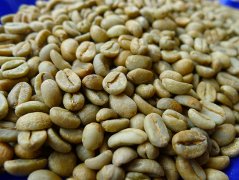
Costa Rica Tarrazú Honey Process Coffee Tasting Notes
When coffee lovers seek a bright, clean cup with distinct fruitiness and a silky mouthfeel, Costa Rican single origins often rise to the top. But what makes certain beans—especially those from high-altitude farms like Diamond Mountain Estate—stand out for their balanced acidity, rich sweetness, and layered aromatics? The answer lies in terroir, variety, and processing method working in rare harmony.
The key to Costa Rica’s signature coffee profile is its combination of elevation (1,750–1,850 metres), volcanic soil, and honey processing—especially when applied to Red Catuai at farms like Finca Montanas del Diamante. This approach yields a cup that’s juicy, sweet, and structurally balanced every time.
Costa Rica’s Coffee Heritage: From Colonial Roots to Global Recognition
Coffee arrived in Costa Rica in 1779 via Cuba, with the first exports recorded in 1820. By 2006, the country had around 32,000 coffee farmers, each managing less than one hectare (10,000 m²). With a population of 4.1 million, Costa Rica dedicated 82,500 hectares to coffee, producing 1.7 million 60kg bags annually while consuming 380,000 bags domestically—equating to 5.5kg per capita, surpassing Japan’s 4kg. Though small in scale, Costa Rican coffee has built a reputation for consistent quality backed by well-organized production and export systems.
Geography and Terroir: Why Tarrazú Shines
Costa Rica is the earliest Central American nation to cultivate coffee, with initial plantings on the Poás and Barva volcanoes—now part of the Central Valley region. The country’s seven key coffee-growing areas stretch from northwest to southeast along the central plateau: Tarrazú, Tres Ríos, Orosi, Central Valley, West Valley, Turrialba, and Brunca. Tarrazú, located in the Dota Valley, benefits from volcanic soils rich in minerals, mild temperatures, reliable rainfall, and high altitudes—ideal conditions for cultivating standout coffee.
Diamond Mountain Estate: A Tarrazú Single-Origin Standout
Situated in the Dota Valley of the Tarrazú region at elevations between 1,750 and 1,850 metres, Finca Montanas del Diamante (Diamond Mountain Estate) grows Red Catuai at scale. The Gutierrez family manages 50 hectares of coffee here. This micro-lot exemplifies Costa Rica’s classic coffee traits: a clean, balanced profile with vibrant acidity. Expect a cup bursting with citrus (notably orange), black grape, melon-like sweetness, and stone fruit nuances. The mouthfeel is smooth, with delicate floral hints and a finish marked by prominent coffee blossom notes. The overall impression is one of clarity, complexity, and gentle sweetness—with caramel, tropical fruit, and a structured, toast-accented aftertaste.
How Honey Processing Shapes Costa Rican Flavor
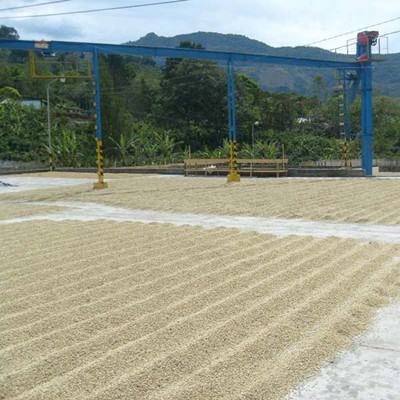
Over the past decade, honey processing—known locally as “miel”—has become a defining method for Costa Rican coffee. This technique involves removing the coffee cherry skin and some pulp but leaving varying amounts of mucilage (fruit gel) on the beans during drying. The amount of mucilage left determines the honey type: white (least), yellow, red, and black (most). This process creates a cup with intense sweetness, enhanced fruitiness, and a heavier body compared to traditional washed coffees. The controlled fermentation and drying under sunlight (often shaded to modulate speed) allow for complex flavor development without over-fermentation. The result is a sweeter, more aromatic, and memorably fruity profile that has become synonymous with Costa Rica’s specialty coffee identity.
Frequently Asked Questions
What is special about Costa Rican coffee from Tarrazú?
Tarrazú coffee is renowned for its bright acidity, full body, and sweet, clean flavors. Grown at high altitudes (1,750–1,850m) in volcanic soil, it typically exhibits citrus, stone fruit, and caramel notes. The region’s consistent cool temperatures and dense plantings create ideal conditions for high-quality beans with a classic, balanced profile.
What is honey processed coffee and how does it affect flavor?
Honey processing removes the coffee cherry skin but leaves some or all of the sticky mucilage on the beans during drying. This results in varying levels of sweetness and fruitiness depending on how much mucilage remains—classified as white, yellow, red, or black honey. The technique enhances sweetness, complexity, and body, often yielding a smoother, more aromatic cup compared to traditional washed processing.
Which coffee variety is used at Finca Montanas del Diamante?
Finca Montanas del Diamante grows Red Catuai, a coffee variety known for its balanced cup, good yield, and adaptability to high altitudes. When processed as honey, it highlights citrus, grape, and stone fruit flavors with a smooth, sweet finish.
What does a typical Costa Rican honey process cup taste like?
A typical Costa Rican honey process cup offers bright citrus (like orange), grape, melon, and stone fruit notes, paired with a smooth mouthfeel and floral undertones. The finish often includes caramel and coffee blossom sweetness, with a clean, lingering aftertaste.
Why is altitude important for Costa Rican coffee?
Higher altitudes (such as 1,750–1,850m in Tarrazú) slow coffee cherry maturation, leading to denser beans with more complex sugars and acids. This results in a brighter, more nuanced cup with greater sweetness and acidity—key traits of premium Costa Rican coffee.
Recommended FrontStreet Beans for Honey Process Lovers
FrontStreet Coffee’s Black Cocoa Blend highlights a Costa Rican honey-processed lot with deep sweetness and berry complexity, while their Mozart uses grape-dried raisin-style honey process to deliver ripe grapes, rose, and vinous tones. Both showcase the fruit-forward, sweet profiles typical of Costa Rican honey lots like those from Finca Montanas del Diamante. Freshly roasted within 5 days · Orders placed before 17:00 ship the same day · Next-day delivery across most of Guangdong Province.
FrontStreet Coffee is a long-established specialty coffee roaster in Guangzhou China, selling freshly roasted beans from its own farm in Yunnan as well as dozens of carefully selected single-origin beans from around the world for both pour-over and espresso. The products deliver consistently excellent quality and great value, with shipping within 24 hours. Guangzhou's FrontStreet Coffee shop is recommended by many coffee lovers, and the beans are now available online at the Tmall 。
Important Notice :
前街咖啡 FrontStreet Coffee has moved to new addredd:
FrontStreet Coffee Address: 315,Donghua East Road,GuangZhou
Tel:020 38364473