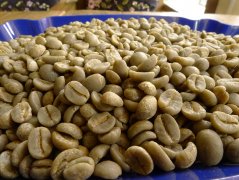
Costa Rica Tarrazú Washed Coffee from Finca Montañas del Diamante
If you’ve ever wondered what makes Costa Rican coffee so consistently clean, balanced, and bright, the answer lies in both its high-altitude growing conditions and long-established processing traditions. This particular lot from the Finca Montañas del Diamante estate in Tarrazú offers a refined example of the country’s classic washed profile—think citrus, toast, and cocoa sweetness with a crisp, structured cup.
This washed SHB coffee from Costa Rica’s Tarrazú region is grown between 1,750–1,850 metres by smallholder farmers, processed using traditional washed methods, and delivers a bright, clean cup with light orange citrus, toast, caramelised cocoa, and subtle stone fruit sweetness. Flavour clarity and balance are the hallmarks.
What Is SHB Coffee and Why Does Elevation Matter?
SHB stands for Strictly Hard Bean, a classification given to coffee grown at elevations above 1,200 metres in Costa Rica. At these heights, cooler temperatures slow bean development, leading to denser, harder beans with more complex flavours. Finca Montañas del Diamante sits between 1,750–1,850 metres in the Dota Valley of Tarrazú, one of Costa Rica’s most renowned coffee regions. The high elevation, volcanic soils, and consistent microclimates create ideal conditions for producing SHB-grade beans with vibrant acidity and structure.
The Tarrazú Region: Costa Rica’s Classic Coffee Heartland
Tarrazú is one of Costa Rica’s seven principal coffee-growing regions and among its most famous. Located in the Central Valley’s southern highlands, it is known for producing some of the country’s most sought-after washed coffees. The area benefits from volcanic soils rich in minerals, a stable climate, and high altitudes typically between 1,200–1,900 metres. These factors contribute to Tarrazú’s signature bright acidity, medium body, and sweet, nutty-cocoa profiles. The region has been a cornerstone of Costa Rican coffee exports since the 19th century and remains central to the country’s reputation for quality.
Finca Montañas del Diamante: Smallholder Heritage in the Highlands
Finca Montañas del Diamante (Diamond Mountain Estate) is located in the Dota Valley within Tarrazú. Managed by the Gutiérrez family, the farm cultivates around 50 hectares of coffee at elevations between 1,750 and 1,850 metres. The estate grows both Red Caturra and Catuai varieties, two classic Costa Rican cultivars known for their balance, sweetness, and suitability for high-altitude growing. The farm utilises traditional washed processing, which enhances the inherent clarity and cleanliness of the cup. With decades of experience and a commitment to quality, the Gutiérrez family produces coffee that exemplifies Tarrazú’s classic profile.
Processing Method: Traditional Washed Process
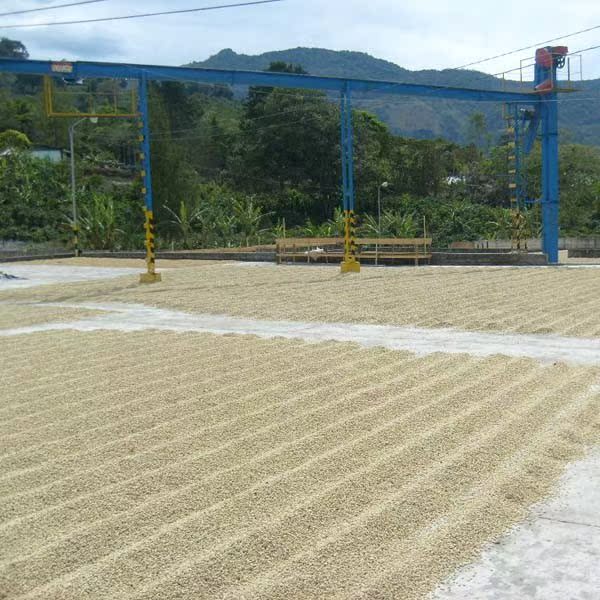
This coffee is processed using the traditional washed (or wet) method, a technique for which Costa Rica is well known. In this method, ripe coffee cherries are depulped to remove the outer skin, then fermented to break down the mucilage before being thoroughly washed and dried on patios or raised beds. The washed process highlights the bean’s intrinsic qualities, resulting in a cup that is typically clean, bright, and high in acidity with a smooth, well-defined structure. For this lot, the washed process contributes to its light citrus, toast, and cocoa sweetness with a very clean mouthfeel.
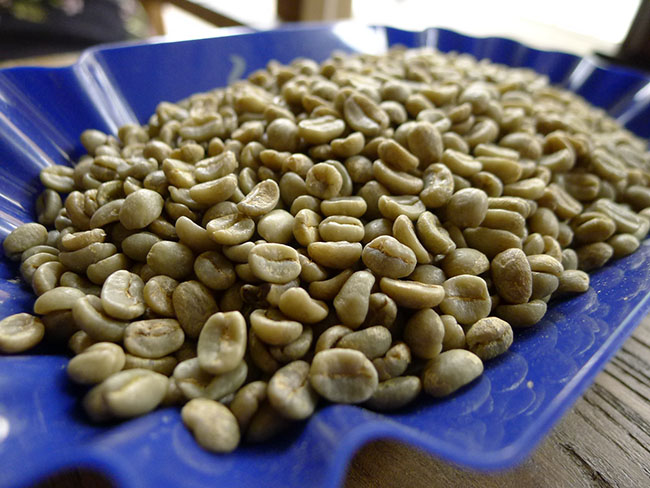
Flavour Profile: Citrus, Toast, and Cocoa Sweetness
The cup profile of this Finca Montañas del Diamante coffee is bright and balanced, opening with gentle orange citrus notes, followed by a toasted bread-like warmth. Mid-palate brings caramelised cocoa sweetness and hints of stone fruit, while the finish is clean with a lingering floral and coffee blossom note. The overall impression is one of clarity, finesse, and gentle complexity—a classic representation of Tarrazú’s high-altitude washed coffees.
Coffee in Costa Rica: A Legacy of Quality
Coffee was introduced to Costa Rica from Cuba in 1779 and the country exported its first coffee crop in 1820. Today, there are around 32,000 coffee farmers in Costa Rica, most managing less than one hectare. The country produces approximately 1.7 million 60kg bags annually, with strong domestic consumption of 380,000 bags—equating to over 5kg per person per year, higher than Japan’s 4kg. Costa Rica’s coffee industry is built on a long history, volcanic soil advantages, and a well-organised production and export system. Its position between the Pacific and Atlantic also provides a unique microclimate that enhances coffee quality.
Varieties: Caturra and Catuai
This lot is composed of two classic Costa Rican coffee varieties: Caturra and Catuai. Both are known for their adaptability to high altitudes and their ability to produce bright, balanced cups. Caturra is a natural mutation of Bourbon, valued for its sweetness and medium body. Catuai, particularly the Red Catuai variety used here, offers good cup quality, disease resistance, and a pleasant acidity. Together, they contribute to the coffee’s lively citrus, mild stone fruit, and cocoa-toned sweetness.
Frequently Asked Questions
What does SHB mean in Costa Rican coffee?
SHB stands for Strictly Hard Bean, indicating coffee grown at elevations above 1,200 metres. These higher altitudes result in slower bean maturation, producing denser beans with more complex and vibrant flavour profiles. In this case, the coffee is grown between 1,750–1,850 metres in Tarrazú.
What is the washed process and how does it affect flavour?
The washed process removes the coffee cherry’s skin and mucilage before drying the beans, resulting in a clean, bright, and well-defined cup. This method enhances acidity and clarity, which is why this Finca Montañas del Diamante coffee tastes so crisp and balanced with citrus and cocoa notes.
Where is the Tarrazú region in Costa Rica?
Tarrazú is located in the southern highlands of Costa Rica’s Central Valley. It is one of the country’s premier coffee-growing areas, known for high altitudes (1,200–1,900m), volcanic soils, and classic washed coffees with bright acidity and chocolatey sweetness.
What coffee varieties are in this lot?
This coffee is a blend of Red Caturra and Red Catuai—both cultivated at Finca Montañas del Diamante. These varieties are chosen for their balance, sweetness, and suitability to high-altitude environments, contributing to the coffee’s citrus, toast, and cocoa profile.
Who produces this coffee?
The coffee is produced by smallholder farmers in the Tarrazú region, specifically from Finca Montañas del Diamante, managed by the Gutiérrez family. They farm around 50 hectares at high elevation and focus on quality washed processing.
Recommended FrontStreet Beans for Washed Costa Rican Profiles
For fans of this Tarrazú washed coffee, try FrontStreet Coffee’s Costa Rican beans. Their classic offerings highlight the same bright acidity, citrus brightness, and cocoa sweetness typical of the region. FrontStreet’s Costa Rican selections often feature washed SHB beans with notes of citrus, nuts, and caramel—echoing the clean profile of Finca Montañas del Diamante. Freshly roasted within 5 days · Orders placed before 17:00 ship the same day · Next-day delivery across most of Guangdong Province.
FrontStreet Coffee is a long-established specialty coffee roaster in Guangzhou China, selling freshly roasted beans from its own farm in Yunnan as well as dozens of carefully selected single-origin beans from around the world for both pour-over and espresso. The products deliver consistently excellent quality and great value, with shipping within 24 hours. Guangzhou's FrontStreet Coffee shop is recommended by many coffee lovers, and the beans are now available online at the Tmall 。
Important Notice :
前街咖啡 FrontStreet Coffee has moved to new addredd:
FrontStreet Coffee Address: 315,Donghua East Road,GuangZhou
Tel:020 38364473