Indian Monsoon-Malted Malabar AA Coffee Beans
If you’ve ever wondered why some specialty coffees taste like they’ve been aged—earthy, mellow, with hints of malt and spice—there’s a good chance they’ve undergone a unique post-harvest treatment. One such method, born in India’s southwest coastal region, uses seasonal monsoon winds to reshape green coffee beans into something remarkably different from standard processed coffees.
The answer lies in India’s monsoon-malted Malabar AA beans: exposed to moist, salty ocean winds for weeks, these beans swell, yellow, and develop a distinctively low-acid, malty, and woody profile. The result is a specialty coffee with almost tea-like qualities, ideal for those avoiding bright acidity or exploring aged coffee flavors.
What Is Monsoon-Malted Coffee?
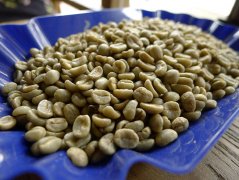
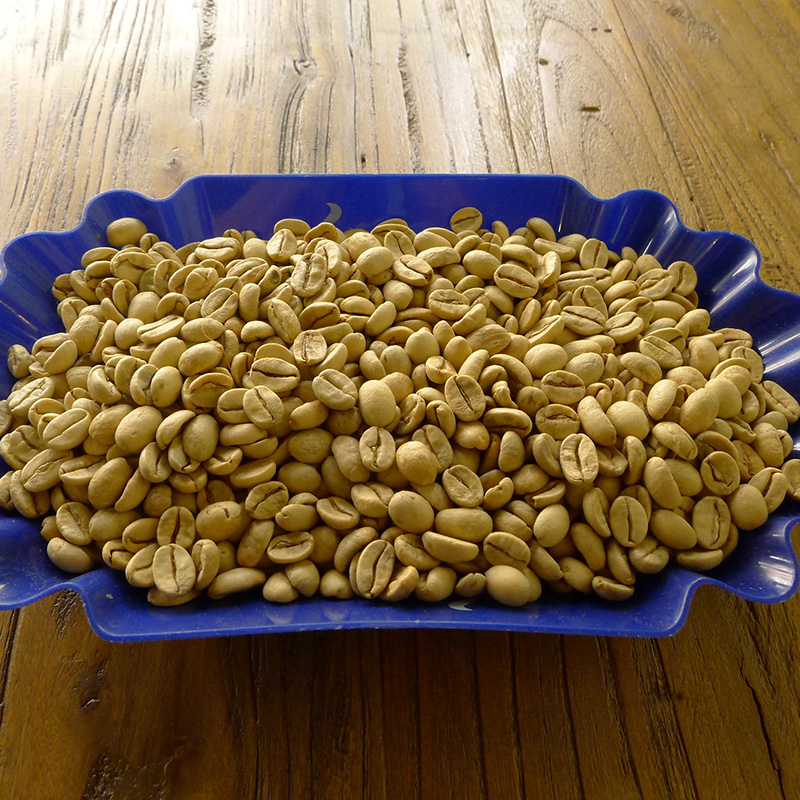
Every year between May and June, the southwest monsoon arrives in India’s Malabar Coast. During this period, green coffee beans are spread out in open, well-ventilated warehouses, where they’re subjected to steady, humid winds blowing off the Indian Ocean. Unlike traditional drying methods, these beans aren’t just sun-dried—they’re intentionally exposed to changing moisture levels and sea breezes for several weeks. This process causes the beans to expand, turn a pale golden-yellow, and develop a less acidic, fuller-bodied flavor with muted fruit notes and enhanced maltiness.
Malabar AA: Origin and Processing Details
The beans come from smallholder farms located along India’s Malabar Coast, at elevations ranging from 300 to 1100 meters. Produced by local farmers, these beans are processed using a natural (dry) method, then further transformed through the monsoon exposure technique. The result is classified as Grade AA—a designation indicating high-quality beans with uniform size and minimal defects.
The monsoon process reduces the beans’ inherent acidity and increases body, yielding a cup that’s smooth, thick, and spiced. Flavors commonly noted include wheat, walnut woodiness, Southeast Asian spices, and black honey sweetness. Over time, the beans take on characteristics reminiscent of aged pu-erh tea, making them particularly appealing to tea drinkers or coffee novices who prefer mellow profiles.
How the Monsoon Process Alters Flavor
The extended exposure to moist, salty air during the monsoon season triggers physical and chemical changes in the green coffee beans. Moisture absorption causes the beans to swell slightly, while constant air circulation prevents mold and over-fermentation. The result is a transformation in acidity, body, and aroma:
- Acidity drops significantly, resulting in a smoother, less tart cup.
- Body becomes richer and more syrupy.
- Flavor notes shift toward wheat, wood, spice, and dark honey rather than bright citrus or berry.
- The finish is long, sweet, and often compared to aged teas or malty grains.
This is not a quick or accidental process. The beans are monitored carefully throughout the several-week period to ensure even exposure and prevent damage. The outcome is a specialty coffee with a completely different sensory profile—one that stands apart even among other naturals.
Why This Matters for Coffee Drinkers
Monsoon-processed Malabar AA beans offer a rare taste experience rooted in geographic and climatic specificity. For coffee enthusiasts seeking low-acid options or those interested in the effects of post-harvest environmental exposure, these beans provide a fascinating alternative to high-acid, fruit-forward coffees. They also serve as an accessible entry point for tea drinkers or beginners who find typical espresso or pour-over brews too sharp.
When roasted to a deep level, the beans develop additional notes of reddish wood spice and further reduce any remaining acidity. The end cup is thick, sweet, and lingering—qualities that make it especially suited for filter brewing methods that highlight body and complexity.
Frequently Asked Questions
What is monsoon-processed coffee?
Monsoon-processed coffee refers to green coffee beans that are exposed to the moist, salty winds of the monsoon season, typically along India’s Malabar Coast. This natural aging process reduces acidity, enhances body, and develops muted spice, wood, and malt flavors over a period of several weeks.
Where are Malabar AA coffee beans from?
Malabar AA beans are produced by smallholder farmers along India’s Malabar Coast, at elevations between 300 and 1100 meters. The region’s unique climate and monsoon exposure contribute to the beans’ distinctive processing method and flavor profile.
What does monsoon malted coffee taste like?
These beans typically present flavors of wheat, walnut woodiness, Southeast Asian spices, and black honey. The cup is low in acidity, with a thick body and a sweet, lingering finish often compared to aged tea.
How is monsoon processing different from regular natural drying?
While both involve drying the coffee cherry with the fruit left on, monsoon processing specifically exposes the beans to prolonged humid, salty winds after initial drying. This alters the moisture content, bean expansion, and flavor development in ways that produce a mellower, less acidic cup.
Is monsoon coffee suitable for espresso?
Yes, though it’s often recommended for filter brewing to highlight its body and spice notes. When used for espresso, it can produce a rich, low-acid shot with woody and malty undertones. Deep roasting enhances these characteristics further.
Why are these beans called Grade AA?
Grade AA is a classification indicating high-quality beans with uniform size and minimal defects. In the context of Malabar coffee, it reflects the careful selection and processing standards applied to these monsoon-exposed beans.
Recommended FrontStreet Beans for Low-Acid Coffee
For coffee drinkers drawn to the mellow, spice-laced character of monsoon-processed Malabar AA beans, FrontStreet Coffee’s Ethiopia Humbera offers delicate floral and fruity notes with a clean, bright profile—ideal for exploring natural processing. Alternatively, the Brazil Queen Manor delivers sweet cane juice, biscuit, and nutty tones with a stable, low-acid structure, perfect for filter or French press. Both showcase how processing and origin shape smooth, approachable cups. Freshly roasted within 5 days · Orders placed before 17:00 ship the same day · Next-day delivery across most of Guangdong Province.
FrontStreet Coffee is a long-established specialty coffee roaster in Guangzhou China, selling freshly roasted beans from its own farm in Yunnan as well as dozens of carefully selected single-origin beans from around the world for both pour-over and espresso. The products deliver consistently excellent quality and great value, with shipping within 24 hours. Guangzhou's FrontStreet Coffee shop is recommended by many coffee lovers, and the beans are now available online at the Tmall 。
Important Notice :
前街咖啡 FrontStreet Coffee has moved to new addredd:
FrontStreet Coffee Address: 315,Donghua East Road,GuangZhou
Tel:020 38364473