
"Djimmah"
872 article(s) found

Characteristics of seasonal horse producing areas in Ethiopia | what is the flavor of Jimma Djimmah coffee?
Djimmah has the largest coffee acreage in Ethiopia. These coffees are famous for their rich taste and acidity. Djimmah grows at an altitude of 1341-1829 meters. It is an ideal climate and plants are well protected by larger forest trees to provide shade from the noon sun and to preserve moisture in the soil. Djimmah coffee is grown in Ethiopia.
Djimmah accounts for about 50% of Ethiopia's annual output (1000000bags/60kg).
Djimmah, which accounts for about 50 per cent of Ethiopia's annual output (1000000bags/60kg), grows between 4400 and 6000 feet above sea level in the southwestern highlands of the country (the border between Kaffa and Illubabor provinces) and is usually exported by G5/G4. However, in recent years, about 10% or 20% of Gima has been used to make up for the lack of taste of coffee, but its quality has gradually declined.

Djimmah is medium in texture and rugged with earthy coffee flavor.
Boutique coffee (specialty coffee) is also called specialty coffee selection coffee. It refers to coffee made from a small number of raw beans with excellent taste grown in an ideal geographical environment. Depending on the special soil and climatic conditions in which they grow, they have outstanding flavor. After strict selection and classification, this kind of coffee is hard in texture, rich in taste and stylish.

Djimmah is medium in texture and rugged with earthy Ethiopian boutique coffee beans.
The coffee-producing region of Ethiopia is divided into east and west parts by the East African Rift Valley, with lakes, volcanoes, lowlands, plateaus and woodlands interlaced, each evolving. Ethiopia has the most diverse coffee ecosystem in the world (forest coffee, semi-forest coffee, pastoral coffee and plantation coffee), which also preserves its rich Arabica genes. The eastern half is mostly plateaus, coffee beans.

Djimmah producing area Ethiopian boutique coffee beans African flavor coffee
Yega Chefe and Sidamo, which are famous for their bright sour taste, are famous for their charming and mixed fragrance, while the western half of the forest is covered with a large area of primeval forest, mostly in the process of complete natural evolution, creating a more complex variety of coffee. The coffee varieties in the Kafa forest in the southwest are extremely resistant to disease. Due to natural evolution and less manual screening, its overall flavor is slightly lower than that of the eastern half of the wall. The coffee producing areas of Ethiopia are
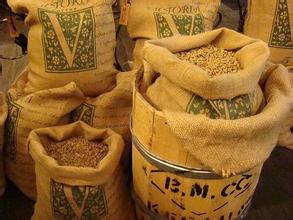
Djimmah, an Ethiopian coffee producing area, follows the ancient method to take the sun treatment class.
The coffee-producing region of Ethiopia is divided into east and west parts by the East African Rift Valley, with lakes, volcanoes, lowlands, plateaus and woodlands interlaced, each evolving. Ethiopia has the most diverse coffee ecosystem in the world (forest coffee, semi-forest coffee, pastoral coffee and plantation coffee), which also preserves its rich Arabica genes. The eastern half is mostly plateaus, coffee beans.

Is the coffee in the minority producing areas of Ethiopia good?
Professional coffee knowledge exchange more coffee bean information please follow the coffee workshop (Wechat official account cafe_style) Ethiopian DJIMMAH Coffee Djimmah Coffee grows in the Illubabor and Kaffa areas at 4400 to 6000 feet above sea level and is an excellent low-acid Ethiopian coffee when it is wet-processed (washed). When Djimah is naturally dried; however,

Ethiopia Gemma jimma (djimmah Gima)
Ethiopia (Ethiopia) famous coffee:: Yirgacheffe (Yirgacheffe), Harald (Harrar), Sidamo sidamo; and Djimmah (Djimmah) are also good, taste balanced, is an affordable African mocha beans. Forest coffee, which grows in the natural environment and shaded by natural forest trees, has sufficient plant change mechanism to resist diseases and insect pests.
African producing countries
1. Ethiopian Ethiopia Ethiopian coffee is neither strong nor irritating. It is produced in Harald (Harrar), Yega Xuefei (Yirgacheffe), Sidamo (Sidamo), Limu (Limu), Djimmah (Djimmah), Lekempti (Kepa), Kapa and other places. Among them, Harald Coffee is the representative of Ethiopian Coffee.
14-3 African producers introduced by the world coffee producers
African producing countries 1. Ethiopia Ethiopia Ethiopian coffee is neither strong nor irritating. It is produced in Harald (Harrar), Yega Xuefei (Yirgacheffe), Sidamo (Sidamo), Limu (Limu), Djimmah (Djimmah), Lekempti (Kepa), Kapa and other places. Among them, Harald coffee is the substitute of Ethiopian coffee.

World coffee producing countries introduce African producing countries
African producing countries 1. Ethiopia Ethiopia Ethiopian coffee is neither strong nor irritating. It is produced in Harald (Harrar), Yega Xuefei (Yirgacheffe), Sidamo (Sidamo), Limu (Limu), Djimmah (Djimmah), Lekempti (Kepa), Kapa and other places. Among them, Harald coffee is the substitute of Ethiopian coffee.

African producers introduced by coffee producers in the world
African producing countries 1. Ethiopia Ethiopia Ethiopian coffee is neither strong nor irritating. It is produced in Harald (Harrar), Yega Xuefei (Yirgacheffe), Sidamo (Sidamo), Limu (Limu), Djimmah (Djimmah), Lekempti (Kepa), Kapa and other places. Among them, Harald coffee is the substitute of Ethiopian coffee.

How about the flavor of Limu coffee in Limu, Ethiopia?
Limu coffee grows in southwestern Ethiopia, ranging from 3600 feet to 6200 feet above sea level. It is a high-quality wet-processed (washed) Ethiopian coffee with relatively low acidity but some sharpness. Coffee in western Ethiopia is usually divided into Limu and Djimmah. Limu is washed and Djimmah is sun-treated.
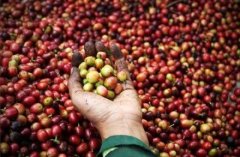
Introduction to the producing area of fine coffee beans in African producing countries
1. Ethiopian Ethiopia Ethiopian coffee is neither strong nor irritating. It is produced in Harald (Harrar), Yega Xuefei (Yirgacheffe), Sidamo (Sidamo), Limu (Limu), Djimmah (Djimmah), Lekempti (Kepa), Kapa and other places. Among them, Harald Coffee is the representative of Ethiopian Coffee.

Coffee producing countries in the world introduce coffee bean producing countries in Africa
African producing countries 1. Ethiopia Ethiopia Ethiopian coffee is neither strong nor irritating. It is produced in Harald (Harrar), Yega Xuefei (Yirgacheffe), Sidamo (Sidamo), Limu (Limu), Djimmah (Djimmah), Lekempti (Kepa), Kapa and other places. Among them, Harald coffee is the substitute of Ethiopian coffee.

Analysis of the roasting of Ethiopian Gemma Mocha Coffee. How to drink Gemma Mocha Coffee beans?
Professional coffee knowledge exchange more coffee bean information please follow Coffee Workshop (Wechat official account cafe_style) Ethiopian Coffee-jimma (djimmah Gima) Ethiopian Coffee (Ethiopia) famous Coffee: Yirgacheffe, Harald (Harrar), Sidamo sidamo; and Djimmah

Brief introduction of Ethiopian Jimamoca Coffee Bean Flavor Baking and brewing method in the producing area of Moka Coffee Bean
Professional coffee knowledge exchange more coffee bean information please follow the coffee workshop (Wechat official account cafe_style) Product name: Gima Mocha Coffee Mocha Djimmah G5 country: Ethiopia Ethiopia production area: Djimmah Grade: G5 treatment: sun varieties: Arabica just came to a cafe, if you don't know what to drink, have more mocha coffee

Lim Limu washing local native coffee how to drink? What are the producing areas of Ethiopian coffee?
Professional coffee knowledge exchange more coffee bean information please follow the coffee workshop (Wechat official account cafe_style) Ethiopian coffee is mainly produced in eight major areas: Lekempti, Limu, Illubabor, Djimmah, Harar, Teppi/Bebeka, Sidamo, Yirgacheffe. Ethiopian coffee is highly rated in China, especially for Ethiopian coffee.

The characteristics of Sidama coffee beans in Ethiopia's famous boutique coffee producing area introduce the flavor and taste of Huakui coffee beans.
Professional coffee knowledge exchange more coffee bean information please follow the coffee workshop (Wechat official account cafe_style) the front street introduction of Ethiopian coffee southern Ethiopia has grown a rich and complex Sidamo coffee (or Sidama), rich and distinctive taste. Sidamo
What kind of coffee is unique to Ethiopia? what are the better brands of Ethiopian coffee?
Professional Coffee knowledge Exchange more information on coffee beans Please follow the coffee workshop (Wechat official account cafe_style) Ethiopia has been providing some of the best evaluated single quality coffee beans in the world. Generally speaking, Ethiopian coffee is famous for its fruit wine and obvious acidity. The average altitude of planting environment in Ethiopia is 1500-2200m, and the harvest time is November-2.