
"Gima"
205 article(s) found

Description of Taste and Flavor of Coffee in Sidamo, Ethiopia Variety introduction of Manor treatment
Description of Taste and Flavor in Sidamo Coffee producing area of Ethiopia dry aroma: berries, tropical fruits, fermented wine, jujube, tea, milk chocolate. Wet aroma: medium sweet and sour aromas of sun berries, citrus, slightly fermented fruit, fruit wine. Palate: comfortable and interesting sour fruit, good sweetness and low thickness. Recommended production method:

Ethiopia coffee production area profile Ethiopia West Dharma
Harar/Sundried/Dry-Processed Harar is located in the Eastern Highlands of Ethiopia (Haredge Province) and grows at an altitude of 5,000 - 7,000 feet. It was still wild on hillsides a century ago. Most raw beans are medium in size and pointed at both ends. The color is green with yellow or gold. When baked, it has a strong chocolate smell.
Nekisse coffee beans
Nekisse is the third 90 + bean found by Ninety Plus after Aricha and Beloya in 2010. And got the highest score of 96 in Coffee Review for that year.

Brief introduction of main producing areas of Ethiopian Coffee
Hara (Harar) / Solar or dried (Sundried/Dry-Processed) Hara is located in the Eastern Highlands of Ethiopia (Harerge Province) and grows between 5000 and 7000 feet above sea level. It was still wild on slopes a century ago. Most of the raw beans are medium size and have long tips at both ends, with a yellowish or golden green color and strong chocolate when baking.
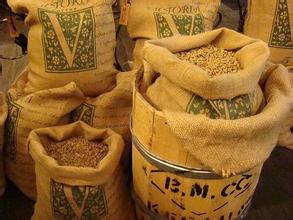
Djimmah, an Ethiopian coffee producing area, follows the ancient method to take the sun treatment class.
The coffee-producing region of Ethiopia is divided into east and west parts by the East African Rift Valley, with lakes, volcanoes, lowlands, plateaus and woodlands interlaced, each evolving. Ethiopia has the most diverse coffee ecosystem in the world (forest coffee, semi-forest coffee, pastoral coffee and plantation coffee), which also preserves its rich Arabica genes. The eastern half is mostly plateaus, coffee beans.

A brief introduction to the grinding scale of Ethiopian coffee beans by taste treatment method
A brief introduction to the Grinding scale of Ethiopian Coffee Bean characteristics and Flavor treatment; although the Ethiopian Yirgacheffe coffee is petite, it is gentle, delicate and sweet. As the hometown of coffee, thousands of years of planting history and processing tradition in Ethiopia have created high-quality washed Arabica beans. Light baking has a unique smell of lemon, flowers and bees.
A brief introduction to the main producing areas of delicious Ethiopian coffee
Hara (Harar) / Solar or dried (Sundried/Dry-Processed) Hara is located in the Eastern Highlands of Ethiopia (Harerge Province) and grows between 5000 and 7000 feet above sea level. It was still wild on slopes a century ago. Most of the raw beans are medium size and have long tips at both ends, with a yellowish or golden green color and strong chocolate when baking.
A brief introduction to the main producing areas of coffee beans in Ethiopia
Hara (Harar) / Solar or dried (Sundried/Dry-Processed) Hara is located in the Eastern Highlands of Ethiopia (Harerge Province) and grows between 5000 and 7000 feet above sea level. It was still wild on slopes a century ago. Most of the raw beans are medium size and have long tips at both ends, with a yellowish or golden green color and strong chocolate when baking.

The only place in the world that has wild coffee, black mountain Harald coffee in Harald, Ethiopia.
Ethiopian coffee is mostly produced in the plateau above 2000 meters above sea level, with large producing areas such as Gima, Gamby, Yeerqifa, Sidamo and Harald. Among them, the region is still the only place in the world with wild coffee, which is auctioned in London every year and the auction price is astonishingly high. Harald, located in eastern Ethiopia, is an ancient building with a long history.

A brief introduction to the Market Price of Ethiopian Fine Sidamo Coffee varieties
The highest grades of Ethiopian washed coffee Yega Chuefei G1 G2 Sidamo (Yirgacheffe, Sidamo) are Grade 2 and Grade 3 (G2, G3), while most of the sun-processed coffee in eastern Ethiopia are Grade 4 or Grade 5 (G4, G5). In many cases, level 4 coffee is marked as level 5 in order to reduce taxes. At present, the grading is not uniform and messy, because there is also sun processing.

Ethiopian Coffee Bean Flavor_Hara, Gemma, Kimbile Kempti, Lim
Harar is located in the Eastern Highlands of Ethiopia (Haredge Province) and grows at an altitude of 5,000 - 7,000 feet. It was still wild on the hillside a century ago. Most of the raw beans are medium in size and pointed at both ends. The color is green with yellow or gold. When roasted, there will be

Introduction to the production area of Jima, Ethiopia: the flavor characteristics of coffee beans in Jiafa Forest Solar Masuo Cooperative
Professional coffee knowledge exchange more coffee bean information please follow the coffee workshop (Wechat official account cafe_style) this time we chose a tanning Maso from the new season Ethiopian coffee, from a small farmers' cooperative in Jima region, more than 300 farmers from nearby villages and tribes, we all speak different dialects, have different religious beliefs, living habits
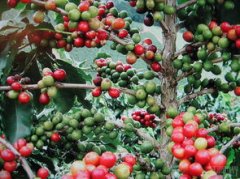
Nekisse coffee beans from Sidama
Nekisse is the third 90 + bean found by Ninety Plus after Aricha and Beloya in 2010. And got the highest score of 96 on Coffee Review for that year (the following materials are mostly taken from the website of Ninety Plus). Nekisse's raw bean smell is so special that when you open the bag, you will be shocked by its strong wine smell. As for the taste, maybe you need a
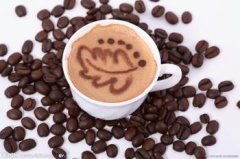
Nekisse Coffee Bean producing area: Cedama Sidama
Nekisse is the third 90 + bean found by Ninety Plus after Aricha and Beloya in 2010. And got the highest score of 96 on Coffee Review for that year (the following materials are mostly taken from the website of Ninety Plus). Nekisse's raw bean smell is so special that when you open the bag, you will be shocked by its strong wine smell. As for the taste, maybe you need a

Producing area: Cedama Sidama Nekisse coffee beans
Nekisse is the third 90 + bean found by Ninety Plus after Aricha and Beloya in 2010. And got the highest score of 96 on Coffee Review for that year (the following materials are mostly taken from the website of Ninety Plus). Nekisse's raw bean smell is so special that when you open the bag, you will be shocked by its strong wine smell. As for the taste, maybe you need a
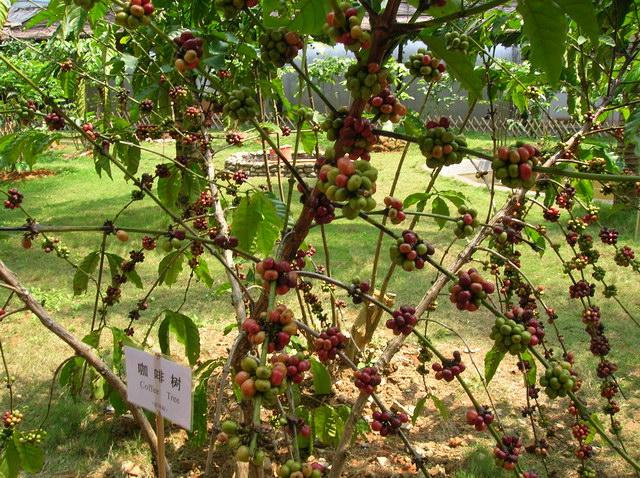
Introduction to Nekisse Coffee Bean (Origin: Sidama)
Nekisse is Ninety Plus's third 90+-compliant bean found in 2010 after Aricha Beloya. It also received the highest score of 96 points in the Coffee Review for the year (the following information is mostly taken from the Ninety Plus website). Nekis Nekisse is the third match Ninety Plus found in 2010 after Aricha Beloya.

Cedama Sidama production area boutique coffee beans Nekisse coffee beans
Nekisse is the third 90 + bean found by Ninety Plus after Aricha and Beloya in 2010. And got the highest score of 96 on Coffee Review for that year (the following materials are mostly taken from the website of Ninety Plus). Nekisse's raw bean smell is so special that when you open the bag, you will be shocked by its strong wine smell. As for the taste, maybe you need a

How much is Yega Xuefei washing Cochel Coffee Price
For the exchange of professional baristas, please follow the coffee workshop (Wechat official account cafe_style) there are eight main coffee bean producing areas in Ethiopia: Nekempte (Lekempti) Gimbi Kinby, Limulim, Illubabor Ibedo, Djimma Gima, Harrar Hara, Teppi/Bebeka Becca, Sidamo Sidamo, Yirgacheffe Yega Chefe, of which the more well-known boutiques

Introduction of Nekisse Coffee beans in Sidama producing area of Cedar
Nekisse is the third 90 + bean found by Ninety Plus after Aricha and Beloya in 2010. And got the highest score of 96 on Coffee Review for that year (the following materials are mostly taken from the website of Ninety Plus). Nekisse's raw bean smell is so special that when you open the bag, you will be shocked by its strong wine smell. As for the taste, maybe you need a