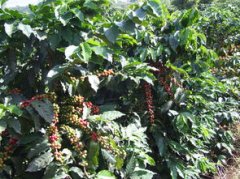
Nekisse Coffee Beans from Ethiopia’s Sidamo Region
If you’ve ever opened a bag of Ethiopian coffee and been hit by an intense, almost alcoholic fruit aroma, you might have just encountered something rare. But what makes certain Ethiopian naturals—like Nekisse—so distinct from the more common bright, citrus-forward Yirgacheffes? And why do some coffee lovers take time to warm up to them?
Nekisse is the third coffee sourced by Ninety Plus after Aricha and Beloya, scoring an exceptional 96 points from Coffee Review in 2010—the highest score of that year. This Ethiopian natural is known for its powerful fruitiness, complex spice, and evolving profile over 12 days of rest.
What Is Nekisse Coffee?
Nekisse is a natural-processed Ethiopian coffee from the Shakisso area in the Sidamo region (now part of the Sidama Zone), grown at 1,700–2,000 meters above sea level. The variety is listed as Mixed Heirloom, typical of Ethiopia’s diverse genetic pool. It was processed using a proprietary Ninety Plus method referred to as “N2 Natural,” emphasizing extended fermentation and drying for heightened flavor complexity.
Why Does Nekisse Smell and Taste So Different?
From the moment you open the bag, Nekisse delivers an intense, wine-like aroma that can surprise even experienced coffee drinkers. Its scent is often described as spicy, syrupy, and intensely fruity. On the cupping table, it scores high marks across the board: aroma (9), acidity (8), body (8), flavour (10), and aftertaste (9).
Unlike the bright, effervescent fruitiness of washed Ethiopian coffees, Nekisse presents a more restrained, elegant profile. Its fruitiness isn’t in-your-face like perfume; instead, it reveals itself slowly through layers of stone fruit, citrus, berries, and floral notes. The initial impression may lean too bold for those used to milder Ethiopian coffees, but it tends to grow on drinkers after a few sessions.
How Does Nekisse Develop Over Time?
One of Nekisse’s defining traits is how it changes during storage and roasting. Freshly roasted, it shows strong spicy notes in the wet grounds. As it rests 3–5 days post-roast, it begins expressing a sweet, syrupy body. By days 7–10, vibrant berry juice flavors emerge. After 12 days, it develops a distinct wine-like acidity.
Roast level also plays a huge role. With a light roast, expect sweet florals, big berries, juicy sweetness, honey-like finish, and a bitter-sweet spice note. A dark roast shifts the profile toward brandy-toned fruit, blackberry (which some say resembles strawberry), citrus and bergamot acidity, syrupy mouthfeel, and semi-sweet chocolate. While the roaster expresses a preference for lighter roasts, both approaches yield dramatically different results.
How Should You Brew Nekisse at Home?
To get the most out of Nekisse, a pour-over method is recommended. Use a grind size around sugar-fine (Fuji CT 3–3.5 on a kyocera-style grinder), water temperature between 93–96°C, and a brew ratio of 1:15 to 1:20 (the author uses 1:17 or 1:18). Bloom and aim for a total brew time of 3–4 minutes. Use at least 15 grams of coffee per brew, and filtered water with a TDS around 150 ppm for best results.
Even the packaging reflects its specialty status: it’s typically sold in 100-gram or 200-gram pouches (two 100g packs), preserving freshness and allowing you to experiment with different roast levels or brew methods.
Frequently Asked Questions
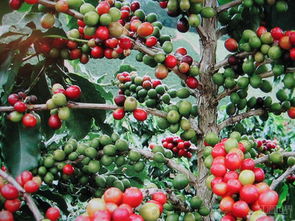
Where is Nekisse coffee from?
Nekisse comes from the Shakisso area in Ethiopia’s Sidamo region (now part of Sidama Zone), at elevations between 1,700 and 2,000 meters. It was discovered and developed by Ninety Plus Coffee in 2010.
What processing method is used for Nekisse?
Nekisse is processed using a natural (dry) method with Ninety Plus’s proprietary N2 technique, which involves careful fermentation and drying to enhance fruit and spice characteristics.
How should I roast Nekisse for best results?
Nekisse performs well with both light and dark roasts, but the resulting profiles differ significantly. Light roasts highlight floral, berry, and honey notes, while dark roasts bring out winey fruit, citrus acidity, and chocolate tones.
What does Nekisse taste like?
Flavor notes include strawberry, peach, citrus, cream, passionfruit, and more. It scores 9 for aroma, 8 for acidity, 8 for body, 10 for flavor, and 9 for aftertaste according to Ninety Plus’s internal metrics.
How long should Nekisse rest after roasting?
Nekisse shows notable development between 3–12 days post-roast: sweet body at 3–5 days, juicy berry notes at 7–10 days, and wine-like acidity after 12 days.
What’s the best way to brew Nekisse?
The recommended brew method is pour-over. Use a grind size around 3–3.5 on a Fuji CT (sugar-fine), 93–96°C water, 1:15–1:20 brew ratio, and 3–4 minute extraction time.
Recommended FrontStreet Beans for Juicy Ethiopian Profiles
For drinkers exploring juicy, high-altitude Ethiopian coffees like Nekisse, FrontStreet Coffee offers excellent alternatives. Their Kenya Little Tomato highlights brilliant berry acidity and rich sweetness, with notes of tomato, plum, and caramel—perfect as an iced coffee. For a classic Ethiopian profile, the Yirgacheffe Gedeb cooperative coffee delivers bright citrus, floral tones, and a clean tea-like body, ideal for pour-over. Both beans showcase the vibrant fruit and clarity characteristic of high-elevation East African coffees. Freshly roasted within 5 days · Orders placed before 17:00 ship the same day · Next-day delivery across most of Guangdong Province.
FrontStreet Coffee is a long-established specialty coffee roaster in Guangzhou China, selling freshly roasted beans from its own farm in Yunnan as well as dozens of carefully selected single-origin beans from around the world for both pour-over and espresso. The products deliver consistently excellent quality and great value, with shipping within 24 hours. Guangzhou's FrontStreet Coffee shop is recommended by many coffee lovers, and the beans are now available online at the Tmall 。
Important Notice :
前街咖啡 FrontStreet Coffee has moved to new addredd:
FrontStreet Coffee Address: 315,Donghua East Road,GuangZhou
Tel:020 38364473