
"Hirazi"
176 article(s) found

A brief introduction to the planting market price of Yemeni boutique coffee beans with unique flavor
Mokamadali (Mokha Mattari): the most famous coffee market name in the province of Bani Mattar (another word for Bany Mattar) from the western part of the Yemeni capital Sanaa. Coffee is produced at high altitude, usually with a good aroma of red wine, dry fruit, thick taste, deep-roasted and often bitter sweet chocolate. The good quality Madali bean is small.

Yemeni coffee introduction, how to drink Yemeni coffee
Following Cafe Review (official Wechat account vdailycom) found that Beautiful Cafe opened a small shop of its own origin: Yemeni Grade: excellent granules: full acidity: slightly sour and strong aftereffect, but also sweetness evenness: more stable baking: moderate flavor: with chocolate flavor, slightly alcoholic flavor, spicy stimulation Ethiopia is the first country in the world to find coffee, but Yemen
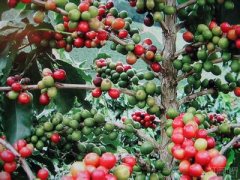
Yemeni coffee beans from 12 famous high-quality coffee producing areas
Before the 6th century AD, Yemen was called Arabia, so coffee trees shipped from Yemen to other places were also called Arabian coffee trees. But the origin of these trees is Ethiopia. Yemen is the first country in the world to produce coffee on a large scale as a crop. Today, coffee farmers in Yemen still use the same method to produce coffee as they did 500 years ago.

Yemeni mocha coffee bean producing area _ mocha coffee bean how to drink video course _ mocha coffee bean price
Professional coffee knowledge exchange more coffee bean information please follow the coffee workshop (Wechat official account cafe_style) Yemeni mocha coffee beans Coffee production: Yemen produces bean-shaped berry coffee beans (Peaberrybean): this coffee beans are smaller and rounder than most coffee beans look like peas, sometimes also known as mocha coffee beans. The shape of mocha coffee beans is similar to that of mocha beans.

A brief introduction to the treatment method of grinding degree and baking degree of Yemeni boutique coffee beans with unique flavor
The origin of these trees is Ethiopia. Yemen is the first country in the world to produce coffee on a large scale as a crop. Today, Yemeni coffee farmers still produce coffee in the same way as they did 500 years ago. Coffee berries grow naturally on trees, without any artificial fertilizers or pesticides, receive a small amount of rain and fog on the hillside in summer, blossom and bear fruit.

A brief introduction to the history and culture of the origin and development of spicy Yemeni boutique coffee beans
Mokha Sanani: a widespread market name for coffee from some growing areas west of the Yemeni capital Sanaa. It is a mixture of beans from tens of thousands of small farms on the hillside near the capital Sana (left, Sana'a, Yemen). The elevation of the plant is slightly lower than that of Madali, and generally speaking, it tastes thinner and less acidic than Madali, but it has a good fruit flavor and often has a better ripeness than Madali.

A brief introduction to the planting situation of Yemeni boutique coffee beans with complete grain shape, geographical location, climate and altitude
★★★: excellent market for Yemeni coffee: Yemeni coffee is exported from December to April of the following year. The problem in the past has been that coffee from the north was mixed with shoddy stuff before it was shipped from the southern port of Aden. Only coffee shipped from the port of Hodeida can be determined to come from the north. The vast majority of coffee in Yemen is made by natural conditions.

Introduction of Yemeni mocha coffee beans and characteristics of Yemeni mocha coffee beans
Following caf é comments (Wechat official account vdailycom) found that Caf é Beautiful Caf é opened a small shop of its own. Coffee is one of the traditional Yemeni agricultural products. It has been famous all over the world for its unique flavor since ancient times. Many of the world's coffees are of origin in Yemen, thanks to Yemen's special geographical location. In Yemen, coffee grows mainly between 1000 and 1700 meters above sea level, from plateaus to high mountains.

A brief introduction to the treatment method of grinding degree and baking degree of Yemeni high-quality coffee beans with complete grain shape
The characteristics of Yemeni coffee: the taste of Yemeni mocha is complex and changeable, and how to bake the best flavor of Yemeni mocha is a challenge for coffee roasters. Medium and shallow roasting shows sweet fruit, mild, warm sun-fermented flavor; deep baking shows a strong aroma of red wine, bitter sweet chocolate finish. Flavor: exotic, slightly alcoholic, spicy and exciting, different, must be tasted

Where do the Yemeni mocha coffee beans come from? which country is the Yemeni mocha coffee bean from which manor?
Professional coffee knowledge exchange more coffee bean information please follow the coffee workshop (Wechat official account cafe_style) Yemeni mocha coffee beans Coffee production: Yemen produces bean-shaped berry coffee beans (Peaberrybean): this coffee beans are smaller and rounder than most coffee beans look like peas, sometimes also known as mocha coffee beans. The shape of mocha coffee beans is similar to that of Ethiopia.

How did Yemeni coffee come from? the origin and historical story of Yemeni coffee.
Professional coffee knowledge exchange more coffee bean information Please pay attention to the coffee workshop (Wechat official account cafe_style) the naming of Yemeni coffee so far there are no general guidelines, and there is no official grading system. Local residents have their own classification system, with hundreds of coffee codes and names for internal classification, but it is not suitable for commercial market (export) coffee.

Why is Yemen producing so little coffee? What are the flavor characteristics of Yemeni coffee?
Professional coffee knowledge exchange More coffee bean information Please pay attention to coffee workshop (Weixin Official Accounts cafe_style) Yemen is located in West Asia, only one step away from the African continent. Coffee would still be a wild plant in Ethiopia if it were not for the Islamic priests who popularized it in Arabia. Coffee is said to have been introduced during Ethiopian rule in the sixth century and to have been

Yemeni Coffee Bean Variety Udini Coffee Bean characteristics Story Flavor introduction to Yemeni mocha Coffee
For more information on coffee beans, please follow the coffee workshop (official Wechat account cafe_style) if Ethiopian coffee is a changeable woman-with complex flavors of fruit and flowers, then Yemeni coffee is a brave man-chocolate, tobacco and thick taste with a gentle sweet tail. This batch of Yemeni coffee is of high quality.

Yemeni Coffee Flavor and Taste characteristics of Yemeni Coffee treated by hand tanning in the Ancient Coffee growing country
Professional coffee knowledge exchange more coffee bean information please follow the coffee workshop (Wechat official account cafe_style) Yemen is one of the ancient coffee growers, the flavor is actually quite wild. Europeans have been obsessed with the wild Yemeni mocha since the 17th century. Yemen has an extremely dry climate with an annual rainfall of 400-750mm. Fortunately, the coffee gene in Yemen comes from Ethiopia.
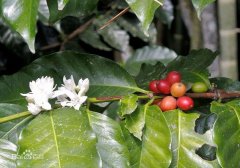
Yemeni mocha beans Yemeni boutique coffee beans delicious African coffee
Yemeni (Yemen) aroma 4, brightness 4, mellow, 3 flavors, 4.5 aftertaste, 5 points suitable for baking: City/Full city from city to full city is suitable, light baking will highlight the western flavor and spice, while deeper baking will make dark chocolate and smoky taste obvious, at the same time, the taste will be more intense. It should be noted that because the beans are relatively small, plus the size of the particles

Mocha Africa's unique Yemeni coffee bean sun-dried coffee bean boutique coffee
Because the beans are relatively small and there is a big difference in particle size, we should pay attention to the problem of stuck beans when using a drum roaster. Yemen is located in the Arabian Peninsula of the Asian continent, across the Red Sea and Africa, generally classified as African beans. When it comes to Yemen, what most people think of directly is Mocha! In fact, Mocha is a port in Yemen, where almost all the attached coffee used to be.
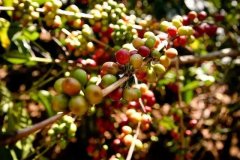
Yemeni boutique coffee mocha coffee beans
The American Fine Coffee Association (SCAA) Baker Association 2012 COTY-Coffees of the Year Competition ended a few days ago. 250 kinds of raw coffee beans from 26 countries in the world's major coffee producing regions took part in the competition for the 2011 / 12 Global Best Fine Coffee Award. After the professional judges on the dry fragrance, wet aroma, taste, flavor, aftertaste and mellow of the participating coffee

Yemeni Sanani mocha coffee bean characteristics, taste and flavor description Yemen Sanani mocha coffee
Professional coffee knowledge exchange more coffee bean information please follow the coffee workshop (Wechat official account cafe_style) Yemeni coffee mocha Sanani | Yemen Mocha Sanani coffee produced in the capital of Yemen-Sanani, is in the high altitude of 1000m1300m, in the high temperature and dry climate of coffee cultivation. Varieties include iron pickup and bourbon, Yemeni coffee

The historical story of Yemeni coffee what are the producing areas of Yemeni coffee? What kind of coffee do you have in Yemen?
Professional coffee knowledge exchange more coffee bean information please follow the coffee workshop (Wechat official account cafe_style) as soon as Yemeni coffee is immediately reminiscent of thick and wild sun-dried beans, Yemeni coffee farmers have been planting according to the ancient methods handed down by their ancestors, due to the rugged terrain of Yemen and the lack of rainfall, so Yemeni coffee

Aroma characteristics of Yemeni coffee mokasanani coffee recommended parameters for hand brewing of Yemeni coffee
Professional coffee knowledge exchange more coffee bean information please follow the coffee workshop (Wechat official account cafe_style) Yemeni coffee mocha Sanani | Yemen Mocha Sanani coffee produced in the capital of Yemen-Sanani, is in the high altitude of 1000m1300m, in the high temperature and dry climate of coffee cultivation. Varieties include iron pickup and bourbon, Yemeni coffee