Yemen Mocha Coffee Beans at the 2012 COTY Awards
When the 2012 SCAA Roasters Guild Cup of the Year (COTY) competition crowned the world’s best single-origin green coffee, one bean stood out with jaw-dropping sensory scores. Among 250 entries from 26 countries, a Yemeni lot earned perfect or near-perfect marks across key categories. But what makes Yemeni coffee—especially those linked to the famous ‘mocha’ name—so distinctive in the cup? And why does it still matter to specialty roasters today?
The winning Yemeni coffee scored 4 for aroma, 4 for brightness, 3 for body, 4.5 for flavor, 5 for aftertaste, and 3 for body—numbers that tell you why it beat hundreds of other global lots. That profile places it firmly among the most intense, wine-like, and complex single origins in specialty coffee.
What Is Yemen Mocha Coffee?
Yemeni coffee often gets lumped in with ‘African’ beans, but it grows on the Arabian Peninsula, across the Red Sea from Africa. The name ‘mocha’ doesn’t refer to chocolate—it comes from the port of Mokha (also spelled Mocha, Moka, or Mocca), once the hub for exporting coffee from the nearby highland farms. That port is long silted shut, but the name stuck, and today even non-Yemeni beans (like certain Ethiopian naturals) are sometimes wrongly called ‘mocha.’
Flavor Profile and Processing
Yemen’s most celebrated coffees come from regions like San‘ani, Mattari, Hirazi, Rimy, and Dhamari. Nearly all are processed naturally (sun-dried), a method that allows inconsistent bean sizes and sometimes even stray grains like corn to mix in. This wild, unrefined processing gives the coffee its signature traits: a raw, untamed profile with high-toned wine acidity, heavy dark chocolate notes, and intense spice. The cup can lean funky, even bitter to some, but the complexity wins over many specialty drinkers.
How to Roast Yemen Coffee
The ideal roast level for Yemeni beans spans City to Full City. A lighter roast highlights citrusy ‘western sun’ brightness and bright spice tones, while a darker roast emphasizes deep black chocolate and smoky nuances, with a heavier mouthfeel. Because the beans are small and vary significantly in size, drum roasters need to watch for jamming. Consistent airflow and careful charge sizing help manage this quirk. Most roasters agree: this coffee rewards attention to detail in the roasting chamber.
Frequently Asked Questions
What does ‘mocha coffee’ really mean?
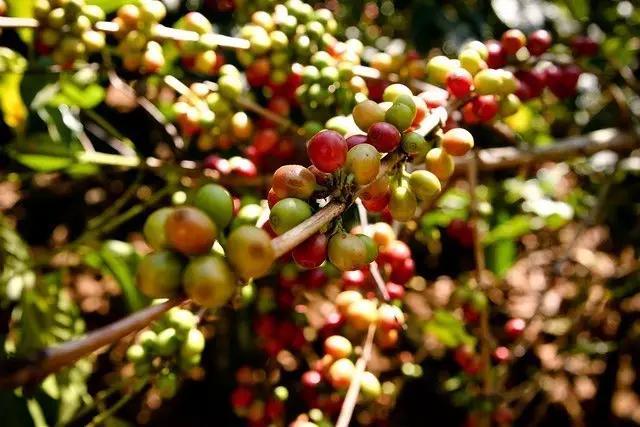
The term ‘mocha’ originally referred to coffee exported from Yemen’s Mokha port, not chocolate. Over time, it became a synonym for Yemeni coffee, and even today, some non-Yemeni beans (like certain Ethiopian naturals) are wrongly labeled as ‘mocha.’ The name comes from the port, not the flavor.
What flavor notes are typical in Yemeni coffee?
Yemeni coffees often show wine-like acidity, deep dark chocolate, heavy spice, and sometimes fermented or funky undertones. The profile is bold, complex, and less sweet than washed-process coffees, with a heavier body and intense dry finish.
What roast level is best for Yemen coffee?
Yemeni beans perform well at City to Full City roast levels. Lighter roasts bring out bright, tangy, spicy notes, while darker roasts enhance chocolate and smoky flavors with more body. Avoid under-roasting or uneven development due to the beans’ small and varied size.
Why is Yemen coffee so unique compared to other origins?
Most Yemeni coffee is naturally processed, leading to irregular bean size and wild, untamed cup characteristics. The growing conditions, traditional methods, and historical export route through Mokha all contribute to a coffee that’s bold, complex, and unlike the cleaner profiles of washed African or Latin American beans.
Can I use Yemen coffee in a moka pot?
Yes, Yemen coffee can work well in a moka pot, especially if roasted to City or Full City levels. Its bold flavor and potential for chocolatey or spicy notes complement the moka’s concentrated brew style. Just be mindful of the small bean size and possible channeling if using a grinder with inconsistent output.
Recommended FrontStreet Beans for Moka or Espresso
For fans of bold, spice- and chocolate-forward profiles like Yemeni mocha coffee, FrontStreet’s Classic Blend delivers rich crema and a smooth, full-bodied shot with outstanding milk foam—ideal for espresso-based drinks. The Black Cocoa Blend offers a more affordable option with deep cocoa and robust body, great for everyday use without sacrificing flavor. Both blends are 100% Arabica and optimized for moka pots or espresso machines. Freshly roasted within 5 days · Orders placed before 17:00 ship the same day · Next-day delivery across most of Guangdong Province.
FrontStreet Coffee is a long-established specialty coffee roaster in Guangzhou China, selling freshly roasted beans from its own farm in Yunnan as well as dozens of carefully selected single-origin beans from around the world for both pour-over and espresso. The products deliver consistently excellent quality and great value, with shipping within 24 hours. Guangzhou's FrontStreet Coffee shop is recommended by many coffee lovers, and the beans are now available online at the Tmall 。
Important Notice :
前街咖啡 FrontStreet Coffee has moved to new addredd:
FrontStreet Coffee Address: 315,Donghua East Road,GuangZhou
Tel:020 38364473