
"Maillard"
373 article(s) found

Talking about the effect of roasting on malt and coffee
Following Ka Pin (Wechat official account vdailycom) found that the wine in Beautiful Cafe opened its own shop called liquid bread, mainly because beer is rich in nutrients, rich in various amino acids and vitamins, and has certain calories, this is because ethanol, sugars and amino acids in beer are all high-calorie ingredients. But you've tasted something that tastes like solid bread.

Water content during coffee roasting-Starbucks Italian roasted coffee beans
Water content during coffee roasting-Starbucks Italian roasted coffee beans with the rapid heating up of coffee beans during roasting, the water begins to escape from the bean surface and evaporate. The escape rate depends on temperature, bean quantity, bean density and air circulation, while the standard rate of a normal roaster is 5-7 minutes when the water content of coffee beans is reduced from 11% to 2%. Coffee at the beginning of roasting

The aroma of coffee is how it comes out. The rich aroma of coffee beans is technically fried.
Professional coffee knowledge exchange More coffee bean information Please pay attention to coffee workshop (Weixin Official Accounts cafe_style) Qianjie-coffee bean aroma source introduction Acid and sugar determine coffee flavor Acid affects coffee quality and complexity Coffee beans naturally contain some acids such as citric acid and malic acid and some acetic acid (which is decomposed or reacted by sugars and other compounds)

How to understand Coffee Baking Curve introduction to Starbucks Coffee Baking Curve
Coffee roasting curve with the rapid heating of coffee beans in the roasting process, water begins to escape from the bean surface and evaporate. The escape rate depends on temperature, bean quantity, bean density and air circulation, while the standard rate of a normal roaster is 5-7 minutes when the water content of coffee beans is reduced from 11% to 2%. Coffee beans at the initial stage of roasting sometimes turn a little white or milky white, and then

"Coffee roaster companion" the chemical substances of raw beans the structure and changes of coffee beans
Chapter 2: chemical substances of raw beans author: Scott Rao translator: Huaxia coffee raw beans are strong and green seeds, 50% of which are different forms of carbohydrates, and the other 50% are composed of water, proteins, lipids, acids, and various biological bases. Coffee roasters can bake good coffee without knowing the many chemicals in raw beans, but

Colombian coffee beans are sour? Why is the coffee sour? how to deal with the acid in the coffee beans?
Do you know? 2000-8000 taste buds? These small sensory cells are responsible for taste perception. Generally speaking, taste belongs to one of five tastes: sweet, salty, bitter, sour and flavor usually comes from the back edge of our tongue. But it is worth noting that acidity is not confused with acidity. Now, it is important to note that coffee naturally contains acidity. And
The non-enzymatic browning reaction of coffee roasting what happens to the caramelization reaction?
Baking basic science-browning reaction non-enzymatic browning reaction (Nonenzymatic Browning) non-enzymatic browning reaction is different from enzymatic browning reaction, non-enzymatic browning reaction does not need enzymes, but its reaction requires heat, sugar and amino acids. There are two non-enzymatic browning reactions related to coffee roasting: caramelization (caramelization recation) and Maillard reaction (Ma).
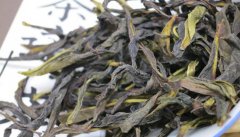
What does it mean to kill in the production process of duck shit incense single fir? How to kill tea leaves to share the principle?
When the green tea manufacturer retains the tea to keep it green, all aroma activities that take place during the withering stage of the tea will cease. In the world of fruits and vegetables, this reaction, known as enzymatic browning, affects many foods, including bananas, avocados, potatoes and apples. If you cut the potato, in a few minutes, outside
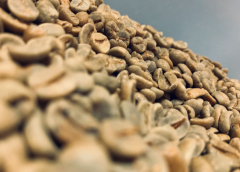
Coffee roasting | how to bake a Brazilian red bourbon | Baking sharing
When you get a raw bean, how can the baker highlight the personality of a bean? this is a great test of the baker's technical skills. Today, let's talk about the change of Brazilian red bourbon in the baking process. ~ half-sun-treated Brazilian red bourbon is produced in South Minas, Brazil, only 1100 meters above sea level, the density of beans is low, the quality of beans is soft.
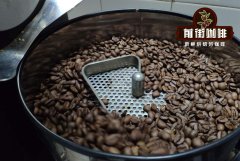
Where does the coffee aroma come from? How does coffee taste sweet and sour?
Roasting is one of the most attractive aspects of the coffee industry. Green coffee beans have almost no flavor at all, taste will have a rather unpleasant vegetable flavor, but after roasting, it will transform into an incredibly aromatic and complex coffee beans. The smell of freshly roasted coffee beans is refreshing and delicious. Fast or slow? Shallow or deep? jianyan

Coffee roasting | A small sharing of the baking curve of a Brazilian red bourbon
When you get a raw bean, how does the baker highlight the personality of a bean? this is a great test of the baker's technical skills. Today, let's talk about how the Brazilian red bourbon determines its curve in the baking process. Whether its flavor will be the same as I want, full-bodied with sweet, rich with nuts, chocolate flavor. Half-sun place
Identification of genuine and fake coffee
Common adulterants in coffee are chicory root powder, roasted ground grains, etc., or processed with other bean-shaped seeds instead of coffee beans. The sensory coffee is brown and powdery. Due to the Maillard reaction during roasting, the coffee has a special aroma, and counterfeit coffee has no or
Identification of Coffee
There are only two ways to identify coffee: (1) identification before brewing? Good instant caffeine is brown to dark brown due to different varieties and processes; irregular particles with a size of about 2 mm mixed with some fine powder; the unique aroma of coffee is reflected by Maillard reaction during stir-frying. ? The color of inferior instant coffee is dark, and some of them are iron black.
There are only two ways to identify coffee.
(1) pre-brewing identification? Good instant caffeine is brown to dark brown due to different varieties and processes; irregular particles with a size of about 2 mm mixed with some fine powder; the unique aroma of coffee is reflected by Maillard reaction during stir-frying. ? The color of inferior instant coffee is dark, some are iron black, and the tissue state is caked or agglomerated due to moisture or other reasons.

How to distinguish good coffee? Like taste? Color? Solubility?
How to distinguish good coffee? Like taste? Color? Solubility? There are two ways to identify coffee: (1) identification before brewing? Good quality instant caffeine varieties and processes are brown to dark brown; the state of the organization is irregular particles of about 2 mm in size, mixed with some fine powder; due to the Maillard reaction occurred during frying, it reflects the unique aroma of coffee. poor speed

Two methods for the identification of coffee before or after brewing
There are only two ways to identify coffee: (1) identification before brewing? Good instant caffeine is brown to dark brown due to different varieties and processes; irregular particles with a size of about 2 mm mixed with some fine powder; the unique aroma of coffee is reflected by Maillard reaction during stir-frying. ? The color of inferior instant coffee is dark, and some of them are iron black.
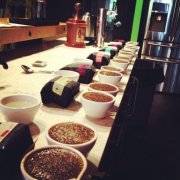
There are two ways to identify coffee before and after brewing.
(1) pre-brewing identification? Good instant caffeine is brown to dark brown due to different varieties and processes; irregular particles with a size of about 2 mm mixed with some fine powder; the unique aroma of coffee is reflected by Maillard reaction during stir-frying. ? The color of inferior instant coffee is dark, some are iron black, and the tissue state is caked or agglomerated due to moisture or other reasons.

Basic knowledge of distinguishing Fine Coffee from genuine Coffee
The coffee here refers to the brown powdered solid drink of raw coffee beans roasted and ground. Common adulterants in coffee are chicory root powder, roasted ground grains, etc., or processed with other bean-shaped seeds instead of coffee beans. The sensory coffee is brown and powdery. Due to the Maillard reaction during roasting, the coffee has a special aroma, and counterfeit coffee has no or
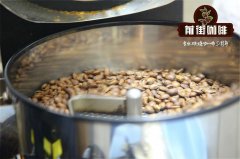
Analysis of roasting of fully washed beans in Papua New Guinea Kimel. How to bake Papuan coffee beans?
More information about coffee beans Please follow Coffee Workshop (Wechat official account cafe_style) Wahgi Valley Kimel Fully Washed Kimel, located in the town of Banz, near the Mount Hagen Mountains in Papua New Guinea, has a long history of producing high quality island coffee, and this coffee is no exception. This is a great new version of PNG Papua.

Identification skills of genuine and fake coffee basic knowledge of coffee beans
The coffee here refers to the brown powdered solid drink of raw coffee beans roasted and ground. Common adulterants in coffee are chicory root powder, roasted ground grains, etc., or processed with other bean-shaped seeds instead of coffee beans. The sensory coffee is brown and powdery. Due to the Maillard reaction during roasting, the coffee has a special aroma, and counterfeit coffee has no or