
"Paraiso"
416 article(s) found

Colombian Coffee planting process introduction of Colombian Coffee varieties
Professional coffee knowledge exchange more coffee bean information please follow the coffee workshop (Wechat official account cafe_style) the front street of Colombian Paraiso powder bourbon, Colombian coffee varieties introduction Kaddura was introduced from Brazil in the 1960s, currently accounting for 45-50% of the country's output, has replaced the earliest Tibica. The new breed [Colombia] with the same name as Colombia is eight.

Introduction to the flavor and taste of coffee manor in Honduras
Although there are no distinct characteristics of Honduran coffee, its biggest feature is its rich and balanced taste as a whole. In detail, it has a medium or shallow acidity, which is obvious but not strong. Sometimes with a slight floral or fruity aroma (generally speaking, different producing areas, different elevations of beans have different flavor performance) slightly bitter and obvious sweet.

Which baking degree of boutique coffee should be suitable in Colombia?
Professional coffee knowledge exchange more coffee bean information please follow the coffee workshop (Wechat official account cafe_style) front street Columbia Paradise Manor Rose Summer Baking Curve sharing Paradise Manor (Finca El Paraiso) is a coffee estate that Mr. Diego Samuel started in 2008, initially as a small 2.5-hectare family-owned manor, and the owner will be every year
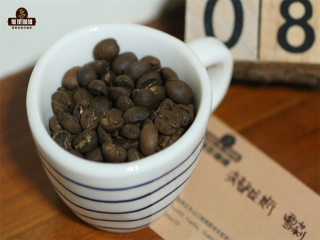
Flavor characteristics of Honduran Coffee and description of Coffee Flavor in Honduras Sweet Orange Manor
Professional coffee knowledge exchange more coffee bean information please follow the coffee workshop (Wechat official account cafe_style) Honduras (Honduras) well-known representative coffee: Honduran coffee seems strange to many coffee drinkers. For coffee production, Honduras

Grinding scale of coffee beans in Honduras Variety introduction of Manor Origin description treatment method
The geographical conditions of Honduras are no less than those of neighboring coffee producing countries such as Guatemala and Nicaragua. There are 280000 hectares of coffee plantations in Honduras, mainly small coffee plantations. Most of the coffee plantations are less than 3.5ha. These coffee plantations account for all coffee production in Honduras.

Introduction to the Coffee planting Environment in Honduras where the planting area belongs to the Mountain area
For coffee production, the geographical conditions of Honduras are no less than those of its neighboring coffee-producing countries such as Guatemala and Nicaragua. There are 280000 hectares of coffee plantations in Honduras, mainly small coffee plantations, most of which are less than 3.5ha. These coffee plantations account for 60% of the total coffee production in Honduras. In the coffee garden, because the planting land belongs to

Introduction to the regional treatment method for describing the flavor of coffee varieties in Santa Barara Manor, Honduras
For coffee production, the geographical conditions of Honduras are no less than those of its neighboring coffee-producing countries such as Guatemala and Nicaragua. There are 280000 hectares of coffee plantations in Honduras, mainly small coffee plantations, most of which are less than 3.5ha. These coffee plantations account for 60% of the total coffee production in Honduras. In the coffee garden, because the planting land belongs to

Six major coffee producing areas in Honduras introduce the difference of flavor between Shirley and Litchi orchid coffee beans in Moca Manor.
There are six main coffee-growing areas in Honduras: Copan, Opalaka, Montesiros, Comayagua, El Paleso and Agarta. Copan is the most famous growing area in Honduras. They produce sweet coffee at an altitude of 3300 to 5000 feet, with citrus, chocolate and caramel flavors. Their coffee is better than that in some other growing areas.

Introduction to the production area of Honduran Coffee Flavor and Taste Variety characteristics of Grinding Calibration treatment
The characteristics of Honduran Coffee Flavor and Taste Variety Grinding scale treatment area introduction of Honduran Coffee the extremely balanced characteristics of Honduran coffee make it widely used. Can be used to mix coffee, can also be used as a single product to brew, mixed with Honduran coffee Italian concentrate will have a surprising effect. Although in troubled times, coffee can also grow its own wonderful, it is not difficult to understand as

Introduction of Honduran coffee with rich and balanced taste as a whole
Honduran coffee comes from El Salvador. Coffee production was lukewarm at first until the frost in Brazil in 1975. At that time, Brazil was hard hit and coffee production plummeted, while Honduras took the opportunity to take advantage of the surge in coffee production from 500000 bags to 1.8 million bags and was ransacked. It was only after that that coffee production in Honduras really developed. For the production of coffee

Flavor description of Honduran coffee beans; grinding scale method for taste treatment of varieties
Flavor description of Honduran coffee beans the taste of Honduran coffee beans is treated by grinding scale varieties. The granules of Honduran coffee beans are large in shape, uniform in size, uniform in color and glossy. In order to facilitate harvesting, farmers will prune the coffee trees to no more than 150 centimeters, because if they grow too high, they have to set up ladders to pick, which is not only time-consuming, but also may damage the trees by bending branches. Due to

Flavor description of Honduran Coffee beans introduction to the Grinding scale of varieties produced in Honduras
The flavor description of Honduran coffee beans the grinding scale of the varieties producing areas introduces that high-quality coffee in Honduras uses a washing method to treat coffee beans, usually after soaking, when soaking, the defective fruit will surface and can be discarded first. Then put the good fruit into the fruit peeling machine and peel off the peel with the rotating force of the machine. Peeled fruit

Introduction to the flavor and taste of coffee manor in Honduras the characteristics of Honduran coffee in Santa Barara manor
For coffee production, the geographical conditions of Honduras are no less than those of its neighboring coffee-producing countries such as Guatemala and Nicaragua. There are 280000 hectares of coffee plantations in Honduras, mainly small coffee plantations, most of which are less than 3.5ha. These coffee plantations account for 60% of the total coffee production in Honduras. In the coffee garden, because the planting land belongs to

The overall balanced taste, sour and bitter are not strong in the Honduran coffee region of San Juan Theto Sanba.
For coffee production, the geographical conditions of Honduras are no less than those of its neighboring coffee-producing countries such as Guatemala and Nicaragua. There are 280000 hectares of coffee plantations in Honduras, mainly small coffee plantations, most of which are less than 3.5ha. These coffee plantations account for 60% of the total coffee production in Honduras. In the coffee garden, because the planting land belongs to

The Honduran Coffee region of Central and North America introduces boutique coffee.
Honduras is a mountainous country in Central and North America, with a population of more than 8.3 million and an area of about 112000 square kilometers. Located in the north of Central America. It is bordered by the Caribbean Sea to the north, the Gulf of Fonseca in the Pacific Ocean to the south, Nicaragua and El Salvador to the east and south, and Guatemala to the west. More than 3/4 of the territory are mountains and plateaus. The mountains extend from west to east, inland is a lava plateau, mountainous

Flavor characteristics, producing areas and brewing parameters of single bean in coffee manor in Honduras
For the exchange of professional baristas, please pay attention to the coffee workshop (Wechat official account cafe_style) Honduras Coffee Manor single bean flavor characteristics, producing areas and brewing parameters in Honduras, coffee producing areas are divided into six major producing areas, spread over the west and south, namely Santa Barbara (Santa Barbara), El Paraiso (El Paraiso), Copan (Coban), Baz (La Pa).

2019 Honduras COE ranking 2019 COE Honduras ranking results Honduras COE
Professional coffee knowledge exchange more coffee bean information please follow the coffee workshop (Wechat official account cafe_style) 2019 COE Honduras ranking excellent Cup: excellent Cup International jury selected the top 30 coffee scores of more than 87 points. During the cup test, these coffees should be drunk at least five times per cup. The coffee is packed in a 30-kilogram box with two 15-kilogram real ones.

Introduction to the variety treatment method of grinding scale for flavor description of coffee beans in Honduras
Honduran coffee bean flavor description grinding scale variety treatment method introduces two kinds of very good quality coffee produced in Honduras, one is highland coffee growing at an altitude of 1000 to 1500 meters above sea level, the other is specially selected highland coffee growing at an altitude of 1500 to 2000 meters above sea level, which represents the highest level of selected highland coffee in Honduras, most of which are exported to Honduras, the United States and Germany.

Introduction of single-origin coffee in Honduras introduction to the grading standard of Honduran coffee beans
Professional coffee knowledge exchange more coffee bean information please follow the coffee workshop (Wechat official account cafe_style) Honduras was previously less well-known in the consumer market due to the lack of strong support in the handling and transportation of raw beans. In recent years, Honduras has actively changed and expanded its coffee industry, which has gradually opened up the knowledge of Honduran coffee in the international community.

Introduction of varieties produced in Manor by Grinding scale method of Coffee beans in Honduras
The granules of coffee beans in Honduras are large in shape, uniform in size and glossy in color. In order to facilitate harvesting, farmers will prune the coffee trees to no more than 150 centimeters, because if they grow too high, they have to set up ladders to pick, which is not only time-consuming, but also may damage the trees by bending branches. As the ripening period of each fruit of the coffee bean is different, it is necessary to keep the coffee bean in good condition.