
"Paz"
887 article(s) found

Bolivian Fine Coffee Bean Flavor Taste Manor introduces the characteristics of Bolivian Coffee
Arabica coffee cannot be grown in cold places above 2000 meters above sea level. if the altitude is too high, coffee trees will frost because the temperature is too low. So Bolivian coffee is mainly grown in the Yungas region northeast of La Paz. It borders the Amazon basin and is about 1500-2500 meters above sea level with an average annual temperature of about 10-15 ℃. Therefore, it ensures the growth of coffee.

The quality of coffee in Honduras crosses a huge range. The sweetness of acid-scented sucrose.
For more information on coffee beans, please follow the coffee workshop (official Wechat account cafe_style) in Honduras, coffee-producing areas are divided into six major producing areas, spread to the west and south, namely, Santa Barbara (Santa Barbara), El Paraiso, Copan, La Paz and Comayagua.

Introduction of Bolivian coffee producing areas with rich and balanced taste and unique aroma
Arabica coffee cannot be grown in cold places above 2000 meters above sea level. if the altitude is too high, coffee trees will frost because the temperature is too low. So Bolivian coffee is mainly grown in the Yungas region northeast of La Paz. It borders the Amazon basin and is about 1500-2500 meters above sea level with an average annual temperature of about 10-15 ℃. Therefore, it ensures the growth of coffee.

Sharing the parameters of Rose Summer in the Manor of COE Champion in Honduras by hand what is the suitable water temperature for hand flushing
Professional coffee knowledge exchange more coffee bean information please follow the coffee workshop (Wechat official account cafe_style) Honduras champion Manor Pinault Rose Summer Honduras Marysabel Geisha Los Pinos 2017 ACE winner lot Farmer / Representative:German Avel Mejia Pacheco City:La Paz Region:La Paz C
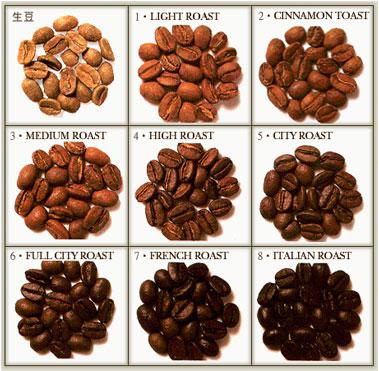
The overall taste is rich and balanced, the aroma is rich and unique Bolivian coffee flavor, characteristics, taste
Bolivia is a landlocked country in central South America, bounded by Brazil in the northeast, Paraguay in the southeast, Argentina in the south, Chile in the southwest and Peru in the west. The main topography is the plateau. Bolivia is the highest plateau country in the world, with an average elevation of more than 3000 meters. La Paz, the capital, is as high as 3660 meters above sea level, which is known as the highest capital in the world. Three points in Bolivia

The overall taste is rich and balanced, the aroma is rich and unique Bolivian coffee flavor, characteristics, taste and
Bolivia is a landlocked country in central South America, bounded by Brazil in the northeast, Paraguay in the southeast, Argentina in the south, Chile in the southwest and Peru in the west. The main topography is the plateau. Bolivia is the highest plateau country in the world, with an average elevation of more than 3000 meters. La Paz, the capital, is as high as 3660 meters above sea level, which is known as the highest capital in the world. Three points in Bolivia

Refreshing Perfume Bolivian Coffee Flavor Taste introduction to Fine Coffee in Manor area
In 1863, rich saltpetre deposits were discovered in Atacama province along the Pacific coast. In 1879, Chile sent troops to occupy the mining area, and Bolivia joined forces with Peru to wage the Pacific War with Chile. Bolivia was defeated in 1883 and ceded the saltpeter-rich Pacific coast to Chile in 1904. Bolivia lost its only coastal province, including the important port of Antofagasta, from

Is Honduran Coffee famous? the most famous St. Vincent processing Farm of Honduran Coffee
For the exchange of professional baristas, please pay attention to the coffee workshop (Wechat official account cafe_style) Flower Merlot small farmer □ About Honduras: the topography of Honduras is mostly high mountains and deep valleys, with an excellent environment suitable for planting coffee trees, fertile soil, high altitude and unique microclimate, which is an indispensable natural for high-quality coffee.

Talk about the main coffee producing areas in Honduras, the current situation of coffee and the ways to improve it.
Professional baristas please follow the coffee workshop (Wechat official account cafe_style) Honduras (Honduras) well-known representative coffee: Honduran coffee seems strange to many coffee drinkers. For coffee production, the geographical conditions of Honduras are no less than those of its neighboring coffee-producing countries such as Guatemala and Nicaragua. But first.

Kaddura flavor description of Honduran coffee with mixed aroma quality characteristics of taste grinding carving
In Honduras, coffee producing areas are divided into six major producing areas, covering the west and south, namely, Santa Barbara (Santa Barbara), Perry request (El Paraiso), Koban (Copan), Bazi (La Paz) and Gongmayagua (Comayagua) and Olan Qiu (Olanc).

Taste and Flavor description of Honduran Coffee introduction to the treatment of manor characteristics in producing areas
In Honduras, coffee producing areas are divided into six major producing areas, covering the west and south, namely Santa Barbara (Santa Barbara), Perry request (El Paraiso), Coban (Copan), Bazi (La Paz) and Gongmayagua (Comayagua) and Olanqiu (Olancho).

Flavor Description of Honduran Coffee Bean Taste Manor Area Processing Method Grinding Scale Introduction
Honduras coffee production area is divided into six major production areas, located in the west and south, namely Santa Barbara, El Paraiso, Copan, La Paz, Comayagua and Olancho

Flavor description of coffee beans in Honduras introduction to the taste of grinding scale manor by regional treatment method
In Honduras, coffee producing areas are divided into six major producing areas, namely, Santa Barbara (Santa Barbara), Perry (El Paraiso), Coban (Copan), Bazi (La Paz) and Gongmayagua (Comayagua) and Olan Hills (Olanc).

A blend of floral and fruity aromas of Bolivian fine coffee beans.
Bolivian coffee used to be mostly of average quality, but in recent years fine coffee production has developed rapidly and many quite good beans have emerged. In recent years, the COE (Cup of Excellence) system, which was first implemented in Brazil, has gradually become popular. Bolivia has also introduced this system. On the one hand, it can stimulate the enthusiasm of coffee farmers, on the other hand, it is also to improve the enthusiasm of coffee farmers.

Introduction of Bolivian coffee producing areas with excellent coffee varieties
Arabica coffee cannot be grown in cold places above 2000 meters above sea level. if the altitude is too high, coffee trees will frost because the temperature is too low. So Bolivian coffee is mainly grown in the Yungas region northeast of La Paz. It borders the Amazon basin and is about 1500-2500 meters above sea level with an average annual temperature of about 10-15 ℃. Therefore, it ensures the growth of coffee.

The characteristics and flavor of the story of Java coffee beans in the alpaca manor of Bolivia in the new production season in 2020.
Professional coffee knowledge exchange more information about coffee beans Please follow the coffee workshop (Wechat official account cafe_style) Bolivia is one of the most difficult growing areas in the world, transportation and climate are the biggest problems. After a special relationship of origin and cooperation this year, we strongly recommend friends who love alpine coffee with rich flavors such as cherry fruit, cream, chocolate and caramel.

High quality and sour Bolivian coffee beans introduce boutique coffee
Arabica coffee cannot be grown in cold places above 2000 meters above sea level. if the altitude is too high, coffee trees will frost because the temperature is too low. So Bolivian coffee is mainly grown in the Yungas region northeast of La Paz. It borders the Amazon basin and is about 1500-2500 meters above sea level with an average annual temperature of about 10-15 ℃. Therefore, it ensures the growth of coffee.

The Bolivian coffee producing area of Tibica, which produces excellent coffee varieties.
Arabica coffee cannot be grown in cold places above 2000 meters above sea level. if the altitude is too high, coffee trees will frost because the temperature is too low. So Bolivian coffee is mainly grown in the Yungas region northeast of La Paz. It borders the Amazon basin and is about 1500-2500 meters above sea level with an average annual temperature of about 10-15 ℃. Therefore, it ensures the growth of coffee.

Bolivia Coffee How to taste Growing environment Producing area Price Flavor Description Introduction
Arabica coffee cannot be grown at altitudes higher than 2000 meters, and if the altitude is too high, the coffee trees will freeze due to the low temperature. Bolivian coffee is mainly grown in the Yungas region northeast of La Paz. Bordering the Amazon River basin, it is about 1500-2500 meters above sea level and has an average annual temperature of about 10-15 ° C. Therefore, coffee growth is guaranteed.
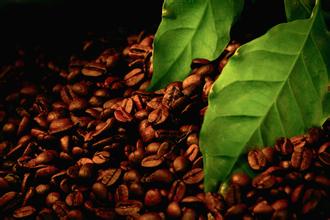
Flavor description of Honduran Coffee beans introduction to manors in producing areas
Taste description of Honduran Coffee beans: rbara), El Paraiso, Copan, La Paz, Comayagua and Olancho. The average planting height is more than 1100 meters above sea level. The variety of coffee is Arabica, and 69% belongs to HG high and low coffee.