
"Pericarp"
1366 article(s) found

Yejia Xuefei water washing treatment has a good mellow taste, high aroma and lively sour taste.
Professional coffee knowledge exchange more coffee bean information please pay attention to the coffee workshop (Wechat official account cafe_style) Yega Xuefei water washing method: the use of washing and fermentation methods to remove the skin, pulp and mucous membrane, wash the coffee beans to smooth and clean, after washing, the coffee beans are still wrapped in the pericarp, the moisture content is up to 50%, must be dried to reduce the moisture content to 1.

Introduction to the smooth and gentle Tanzania boutique Kilimanjaro Coffee Kilimanjaro Mountain Fire area
Tanzanian coffee is mostly washed. After picking, coffee farmers will send the coffee fruit to the nearest processing plant for processing. The treatment step of the water washing method is to screen and remove the impurities in the coffee fruit, then remove the coffee pulp and exocarp, send it into the fermentation tank, and remove the pectin layer from the inner pericarp by fermentation. Clean

Introduction to the knowledge of Coffee Nutrition
Coffee knowledge introduction: coffee is one of the main drinks for westerners. The seeds obtained by removing the pericarp and most of the seed coat after the fruit is ripe are called raw coffee or coffee beans. Raw coffee is roasted and ground to get coffee powder, which can be used to make a drink. Coffee tastes bitter, has a specific flavor, contains caffeine alcohol and 1.3% caffeine alkaloids, and is an anesthetic, diuretic, excitatory and cardiotonic drug. Roasted.

Introduction to the flavor and taste characteristics of Kilimanjaro coffee of Tanzania boutique coffee
Tanzanian coffee is mostly washed. After picking, coffee farmers will send the coffee fruit to the nearest processing plant for processing. The treatment step of the water washing method is to screen and remove the impurities in the coffee fruit, then remove the coffee pulp and exocarp, send it into the fermentation tank, and remove the pectin layer from the inner pericarp by fermentation. Clean

What is the nutritional value of coffee?
Coffee knowledge introduction: coffee is one of the main drinks for westerners. The seeds obtained by removing the pericarp and most of the seed coat after the fruit is ripe are called raw coffee or coffee beans. Raw coffee is roasted and ground to get coffee powder, which can be used to make a drink. Coffee tastes bitter, has a specific flavor, contains caffeine alcohol and 1.3% caffeine alkaloids, and is an anesthetic, diuretic, excitatory and cardiotonic drug. Roasted.

Nutritional value of Coffee Nutrition Analysis of Coffee
Coffee knowledge introduction: coffee is one of the main drinks for westerners. The seeds obtained by removing the pericarp and most of the seed coat after the fruit is ripe are called raw coffee or coffee beans. Raw coffee is roasted and ground to get coffee powder, which can be used to make a drink. Coffee tastes bitter, has a specific flavor, contains caffeine alcohol and 1.3% caffeine alkaloids, and is an anesthetic, diuretic, excitatory and cardiotonic drug. Roasted.

The treatment of coffee beans the drying method of coffee beans
After the wet treatment, the coffee beans are still preserved in the inner pericarp, which still contains about 15% water. The endocarp must be dried to a moisture content of about 11% to ensure that coffee beans are stored in a stable and safe environment. Water content is critical, because if Arabica beans are overdried to a moisture content of 10%, they will be lost

Introduction to Coffee Health Life Coffee Nutrition knowledge
Coffee knowledge introduction: coffee is one of the main drinks for westerners. The seeds obtained by removing the pericarp and most of the seed coat after the fruit is ripe are called raw coffee or coffee beans. Raw coffee is roasted and ground to get coffee powder, which can be used to make a drink. Coffee tastes bitter, has a specific flavor, contains caffeine alcohol and 1.3% caffeine alkaloids, and is an anesthetic, diuretic, excitatory and cardiotonic drug. Roasted.

What is the nutritional value of fine coffee?
Coffee knowledge introduction: coffee is one of the main drinks for westerners. The seeds obtained by removing the pericarp and most of the seed coat after the fruit is ripe are called raw coffee or coffee beans. Raw coffee is roasted and ground to get coffee powder, which can be used to make a drink. Coffee tastes bitter, has a specific flavor, contains caffeine alcohol and 1.3% caffeine alkaloids, and is an anesthetic, diuretic, excitatory and cardiotonic drug. Roasted.

The nutrition of coffee is generally available to healthy people.
Coffee is one of the main drinks for westerners. The seeds obtained by removing the pericarp and most of the seed coat after the fruit is ripe are called raw coffee or coffee beans. Raw coffee is roasted and ground to get coffee powder, which can be used to make a drink. Coffee tastes bitter, has a specific flavor, contains caffeine alcohol and 1.3% caffeine alkaloids, and is an anesthetic, diuretic, excitatory and cardiotonic drug. Roasted coffee also aids digestion.
Fine Coffee Science explains the nouns of coffee in detail.
[source] basic source of medicinal materials: seeds of small fruit coffee, medium fruit coffee and large fruit coffee of Rubiaceae. Latin plant animal mineral name: 1.CoffeaarabicaL.2.CoffeacanephoraPierreexFroehn.3.CoffealibericaBul1.exH1en harvesting and storage: the pericarp begins to turn red and can be harvested. The harvest time varies with the species, and the small seeds are collected from September to November and from September to October.

Introduction to the method of whole berry treatment for coffee flavor and taste in Anjing Manor, Nicaragua
The inspiration of whole berry treatment (also known as dry process) comes from wine brewing. The related research on grape production discusses the effects of fruit and pericarp on flavor and regards them as precious resources of products. From the process of making wine, we figure out how to make better coffee beans, so we use biological enzymes to decompose the skin, meat and pectin of berries to release juice.
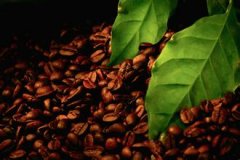
Coffee beans have the same characteristics as those of coffee beans.
1. The seed coat of small fruit coffee has been removed, oval or oval in shape, 8-10mm in length, 5-7mm in diameter, 3-4mm in thickness in the middle, raised on the back, flat on the ventral surface, with slightly curved longitudinal groove and paper seed coat marks. Raw products are yellow or dark green; baked products are dark brown with special aroma and slightly bitter taste. Astringent. Coffee flower 2. Coffee seeds are slightly larger, ovoid, 9-11mm long and 7-7-in diameter.
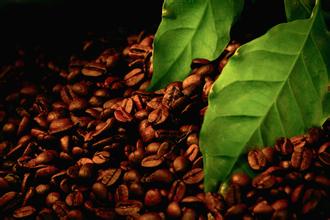
Coffee beans have the same characteristics as those of coffee beans.
1. The seed coat of small fruit coffee has been removed, oval or oval in shape, 8-10mm in length, 5-7mm in diameter, 3-4mm in thickness in the middle, raised on the back, flat on the ventral surface, with slightly curved longitudinal groove and paper seed coat marks. Raw products are yellow or dark green; baked products are dark brown with special aroma and slightly bitter taste. Astringent. Coffee flower 2. Coffee seeds are slightly larger, ovoid, 9-11mm long and 7-7-in diameter.

Description of different flavors of coffee beans treated with water and sun honey
Taste difference of coffee beans treated with water and sun honey description coffee beans are also wrapped in the pericarp with a moisture content of 50%, which must be dried to reduce the moisture content to 12%, otherwise they will continue to be mellow, moldy and rotten. The better treatment is to use sunlight to dry, although it will take 1-3 weeks, but the flavor is very good and very popular. In addition, machines are used in some places
A detailed introduction to the practice and nutrition knowledge of coffee
Coffee is one of the main drinks for westerners. The seeds obtained by removing the pericarp and most of the seed coat after the fruit is ripe are called raw coffee or coffee beans. Raw coffee is roasted and ground to get coffee powder, which can be used to make a drink. Coffee tastes bitter, has a specific flavor, contains caffeine alcohol and 1.3% caffeine alkaloids, and is an anesthetic, diuretic, excitatory and cardiotonic drug.

Introduction of high-quality coffee beans in Tanzania coffee flavor and taste areas treated with water
Tanzanian coffee is mostly washed. After picking, coffee farmers will send the coffee fruit to the nearest processing plant for processing. The treatment step of the water washing method is to screen and remove the impurities in the coffee fruit, then remove the coffee pulp and exocarp, send it into the fermentation tank, and remove the pectin layer from the inner pericarp by fermentation. Clean

The nutrition of coffee Coffee is one of the main drinks in the West.
Coffee is one of the main drinks for westerners. The seeds obtained by removing the pericarp and most of the seed coat after the fruit is ripe are called raw coffee or coffee beans. Raw coffee is roasted and ground to get coffee powder, which can be used to make a drink. Coffee tastes bitter, has a specific flavor, contains caffeine alcohol and 1.3% caffeine alkaloids, and is an anesthetic, diuretic, excitatory and cardiotonic drug. Roasted coffee also aids digestion.
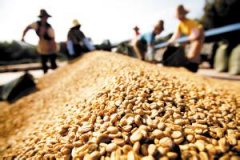
Processing method of Fine Coffee Fruit Coffee beans Sun-drying of coffee beans
After the wet treatment, the coffee beans are still preserved in the inner pericarp, which still contains about 15% water. The endocarp must be dried to a moisture content of about 11% to ensure that coffee beans are stored in a stable and safe environment. Water content is critical, because if Arabica beans are overdried to a moisture content of 10%, they will be lost
Basic knowledge of high-quality coffee beans sun-drying of coffee beans
After the wet treatment, the coffee beans are still preserved in the inner pericarp, which still contains about 15% water. The endocarp must be dried to a moisture content of about 11% to ensure that coffee beans are stored in a stable and safe environment. Water content is critical, because if Arabica beans are overdried to a moisture content of 10%, they will be lost