
"Planted"
24221 article(s) found

Where are the main producing areas of Yunnan coffee? introduction to the flavor characteristics of Yunnan Baoshan coffee
Professional coffee knowledge exchange more coffee bean information please follow the coffee workshop (Wechat official account cafe_style) front street-Yunnan small grain coffee brief introduction to Yunnan coffee cultivation history can be traced back to 1892. A French missionary brought coffee to Yunnan from abroad and successfully planted it in a valley in Binchuan County, Yunnan Province. The coffee plants of this batch of coffee seeds have been produced so far.

China Coffee Network Coffee Development History of China Coffee Story of Yunnan, China
According to historical records, coffee trees were first planted in Taiwan in 1884, and coffee cultivation in mainland China began in Yunnan. In 1902, a French missionary named Tian introduced seeds from "Yingong" in Binchuan County, Yunnan Province. it was successfully planted in a place called Zhu Kula, a tributary of the Jinsha River.

On the History of Coffee in China
According to historical records, coffee trees were first planted in Taiwan in 1884, and coffee cultivation in mainland China began in Yunnan. In 1902, a French missionary named Tian introduced seeds from Yinggong County in Binchuan County, Yunnan Province. it was successfully planted in a place called Zhu Kula, which is located on the bank of the Yushan River, a tributary of the Jinsha River. The commercial cultivation of coffee in Yunnan began in 1985, but its development is slow.

Yunnan coffee beans taste, Yunnan coffee beans introduction
Following caf é (Wechat official account vdailycom) found that the beautiful cafe opened a small shop of its own. Yunnan was the earliest coffee growing place on the mainland before coffee was first planted in Taiwan Province of China in 1884. In the mainland, the earliest coffee cultivation began in Yunnan. In 1892, French missionaries, for the sake of drinking coffee, were in a place called Zhu Kula in Binchuan, Yunnan.

History of Taiwan Coffee from Crystal Mineral Coffee beans the unique flavor of Taiwanese coffee and coffee shops
In the 18th century, after the film boom, the British businessman "Deyang Foreign Company" came to Taiwan to do business and found that the environment of Taiwan was similar to that of South Asia and Central and South America. In 1884 (10 years of light), Nila introduced more than 100 coffee seedlings "Arabica" and planted him in the mountains of modern Taipei, but he was tired of kicking and packing.

Picking methods and treatment of Coffee Seeds picking season of Coffee beans in Yunnan
The picking methods and treatment of coffee seeds in Yunnan coffee beans picking season at first coffee was expensive in Europe, only aristocrats can drink coffee, coffee is even called black gold. Until 1690, a Dutch captain sailed to Yemen and got some coffee seedlings, which were successfully planted in Indonesia. In 1727, the wife of a diplomat in Dutch Guiana planted a few grains of coffee

Introduction to the Distribution Map of Environmental Base in Yunnan Coffee planting area
When was Yunnan coffee first planted? the environmental base distribution map shows that more than 80% of China's coffee is grown in Yunnan. Yunnan has four or five growing areas, including Ruili and Baoshan. Robasta coffee is also grown on the southern coast of Fujian and Hainan Island near Vietnam. At present, coffee production in Fujian and Hainan is very low, Youensen said. Yunnan is naturally the best in China.

The kind of coffee
When tasting a single cup of coffee, you will see some information about the variety in addition to the country, region and geographical and climatic conditions. Such as Arabica, Robusta, Bourbon and so on.

Flavor description of Katim Coffee beans introduction to the varieties of manor treatment
Coffee is a long-term economic crop, woodland reclamation must be long-term planning, good planning, before reclamation must do a good job of road, shed, fertilizer pool design. When the woodland is reclaimed, shade trees should be selected so that the coffee woodland after planting has 3040% shade, and then adjusted to 2030%. The planning and reclamation of horizontal terraces must be done well in the planning and design, which is the primary work of soil and water conservation.

A brief introduction to the treatment method of Grinding degree and Baking degree of Alishan Maha Coffee in Taiwan
The varieties of Alishan coffee are grown in Arabica. This kind of coffee grows in a harsh environment. Taiwan is located in the subtropics. The temperature is higher all the year round, and coffee trees like shade. If coffee trees are planted alone, they may be killed by the strong sun. The Ali Mountains are covered with forests and there are many betel nut trees, so most of his coffee trees are planted in the betel nut garden, because the betel nut trees

Introduction to the taste grinding scale of Yejia Coffee produced by regional treatment method
Yega Xuefei's coffee trees were planted by monks in Europe and later transferred to farmers or cooperatives. Yega Xuefei is actually constructed by the surrounding coffee communities or cooperatives, including: Hafusha, Hama, Biloya. These mountain villages are foggy, like spring all the year round, with a gentle breeze in summer, cool but not hot, rain but not damp, and unique in winter.

Cultivation of Katim boutique coffee beans planted at low altitude A brief introduction to the geographical location, climate and altitude
As for quality. I personally suggest that you can try it. Generally speaking, except Tiebika is a little more expensive, Katim can be said to be the price of cabbage. Tiebika medium roast taste individual coffee and then believe that you have your own comments, if you like the blue mountain flavor, I think I should like Yunnan Tibika. The taste is lighter and the aftertaste is long and fruity. But the first bite might.

Basic knowledge of fine coffee in Chinese coffee history
According to historical records, coffee trees were first planted in Taiwan in 1884, and coffee cultivation in mainland China began in Yunnan. In 1902, a French missionary named Tian introduced seeds from Yinggong County in Binchuan County, Yunnan Province. it was successfully planted in a place called Zhu Kula, which is located on the bank of the Yushan River, a tributary of the Jinsha River. The commercial cultivation of coffee in Yunnan began in 1985, but its development is slow.

Almond aroma of Burundi fine coffee beans varieties planted market price profile
This batch belongs to Bourbon seed micro batch [Champion Processing Plant in Burundi] Located at the peak of Maldadi, Panjia Processing Plant in Kabye District, Kayanza Province, with a very high altitude, even more than 2000 meters above the mountain, fertile soil, gravel soil, very suitable for coffee growth, recognized as the best coffee processing plant in Burundi. Bean Parameters: Country: Burundi Growth: 1750 km

A brief introduction to the method of flavor description and taste treatment of coffee produced at high altitude
Why Coffee Flavor is produced at High elevations; Central and South America, South Asia and some Pacific islands. South Central Africa is also the most important coffee growing area in the world. 3000-6000 ft (9-2000 m) high altitude provides ideal conditions for coffee growth: an average annual frost-free climate of 60-70 degrees Fahrenheit (15-21 ℃), about 80%
Common sense of Coffee History Coffee handed down in China
According to historical records, coffee trees were first planted in Taiwan in 1884, and coffee cultivation in mainland China began in Yunnan. In 1902, a French missionary named Tian introduced seeds from Yinggong County in Binchuan County, Yunnan Province. it was successfully planted in a place called Zhu Kula, which is located on the bank of the Yushan River, a tributary of the Jinsha River. The commercial cultivation of coffee in Yunnan began in 1985, but its development is slow.

The spread of Coffee in China Chinese Coffee Culture History
According to historical records, coffee trees were first planted in Taiwan in 1884, and coffee cultivation in mainland China began in Yunnan. In 1902, a French missionary named Tian introduced seeds from Yinggong County in Binchuan County, Yunnan Province. it was successfully planted in a place called Zhu Kula, which is located on the bank of the Yushan River, a tributary of the Jinsha River. The commercial cultivation of coffee in Yunnan began in 1985, but its development is slow.
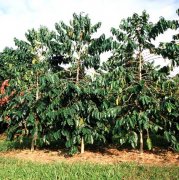
Coffee beans and coffee trees types of coffee trees
In general, coffee trees can grow to 4-5 meters high, and even 9-10 meters high. A single coffee tree but in places where coffee is artificially planted, people cut off the branches at the top of the coffee tree when it grows to three meters high, so that the coffee tree does not grow too high, so that it can be picked during harvest. According to the botanical classification, the coffee tree belongs to the domain: eukaryotic domain, Eukaryote realm:

Chinese Coffee History Coffee Development History of Coffee in China
According to historical records, coffee trees were first planted in Taiwan in 1884, and coffee cultivation in mainland China began in Yunnan. In 1902, a French missionary named Tian introduced seeds from Yinggong County in Binchuan County, Yunnan Province. it was successfully planted in a place called Zhu Kula, which is located on the bank of the Yushan River, a tributary of the Jinsha River. The commercial cultivation of coffee in Yunnan began in 1985, but its development is slow.

Understand the development history of coffee in China
According to historical data, Taiwan's cultivation was successful for the first time in 1884. Coffee trees were planted in China, and coffee cultivation on the continent began in Yunnan. In 1902, seeds were introduced by a French missionary named Tian in Yingong, Binchuan County, Yunnan Province. it was successfully planted in a place called Zhu Kula, which is located on the bank of the Yushan River, a tributary of the Jinsha River. The commercial cultivation of coffee in Yunnan began in 1985, but it has grown.