
"Potato"
875 article(s) found

Flavor description of Panamanian Erida Manor Coffee with Sweet Juice introduction to the characteristics of Grinding degree
Planting altitude: 1400-1700m annual rainfall: 3200 mm average temperature: about 14-25 ℃ soil types: volcanic soil classification standard: SHB treatment method: water washing method: manual harvest related certification: Nash A raw bean specification: 18 mesh harvest year: 2015 cup test results: Apple, Potato, Maple syrup, Lemon Citrus, Coffee blossom, Roaste

Roasting degree and Flavor description of Panamanian Flower Butterfly Coffee beans
Description of roasting degree and flavor of Panamanian butterfly coffee beans the results of grinding scale cups of Apple, Potato, Maple syrup, Lemon Citrus, Coffee blossom, Roasted hazelnuts, Dark chocolate Fragrance (dry flavor): jasmine, citrus, tea, honey Aroma (wet fragrance): berries, flowers, oil, vanilla, mandarin

German history: substitute coffee
The "alternative coffee" that has been popular in history, as well as dandelion root, grape seed, lily root, barley flour and so on, is hard for people living in peaceful and affluent areas to imagine.
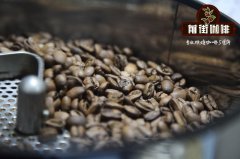
How does coffee aroma come from? What is the Mena reaction in coffee roasting?
Professional coffee knowledge exchange More coffee bean information Please pay attention to coffee workshop (Weixin Official Accounts cafe_style) Caramel and Mena reaction The aroma source of coffee is because coffee beans themselves store rich aroma precursors, such as carbohydrates, proteins, lipids, organic acids, etc. After being heated and roasted, a series of complex reactions will be initiated to create an attractive aroma.

Coffee beans taste variety introduction
Coffee taste generally includes three aspects: smell, taste and taste. There are 18 kinds of smells: animal smell, soot smell, burnt smell, chemical smell, chocolate, caramel smell, baked sweet potato smell, earthy smell, flower smell, fruit smell, grass vegetable smell, almond smell, sour smell, rubber smell, spicy smell, tobacco smell, wine smell, wood smell. The most basic flavor is
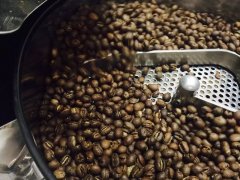
The taste of coffee is briefly introduced. There are as many as 18 kinds of smell.
The taste of coffee generally includes three aspects: smell, taste and taste. There are 18 kinds of odors: animal, ash, coke, chemicals, chocolate, caramel, roasted sweet potato, earth, flowers, fruit, grass and vegetables, almonds, sour rot, rubber, spicy, tobacco, wine, wood. The most basic tastes are: sour and bitter
The taste of 18 kinds of multi-scented coffee comment on the basis of coffee
The taste of coffee generally includes three aspects: smell, taste and taste. There are 18 kinds of odors: animal, ash, coke, chemicals, chocolate, caramel, roasted sweet potato, earth, flowers, fruit, grass and vegetables, almonds, sour rot, rubber, spicy, tobacco, wine, wood. The most basic tastes are: sour and bitter

Introduction to the characteristics of Coffee varieties treated by the Grinding degree of Caesar Louis Manor in Panama
Cup test results: Apple, Potato, Maple syrup, Lemon Citrus, Coffee blossom, Roasted hazelnuts, Dark chocolate Fragrance (dry fragrance): jasmine, citrus, tea, honey Aroma (wet fragrance): berries, flowers, oil, vanilla, citrus Flavor (sipping): fruit juice sweet, sour, non-irritating, clean, Buddha

Starbucks Coffee Bean Mill Grade Degree Grade
Starbucks coffee bean grinding fine grinding grade degree grinding coffee powder and cooking time cut potato shred a reason potato shred too fine easy to paste too coarse and not easy to cook, so the same coffee powder ground too fine easy to extract too coarse and easy to extract insufficient specific grinding degree depending on the extraction method and coffee bean varieties Roasting and storage time, and everyone tastes different

Introduction to the flavor, taste and quality of coffee beans
There are 18 kinds of odors: animal, ash, coke, chemicals, chocolate, caramel, roasted sweet potato, earth, flowers, fruit, grass and vegetables, almonds, sour rot, rubber, spicy, tobacco, wine, wood. The most basic flavors are sour, bitter and sweet. Sour taste is a basic flavor of coffee, which is composed of organic acids.

China Coffee Network recommends the taste of roasted coffee coffee smell, taste and taste of coffee
The taste of coffee generally includes three aspects: smell, taste and taste. There are 18 kinds of odors: animal, ash, coke, chemicals, chocolate, caramel, roasted sweet potato, earth, flowers, fruit, grass and vegetables, almonds, sour rot, rubber, spicy, tobacco, wine, wood. The most basic tastes are: sour and bitter

What's the taste of an authentic wild Zhengshan race? How much is the Zhengshan race 500 grams in Tongmu pass?
Origin: Wuyishan season, Fujian Province, China: spring tea harvest date: April 28, 2021 dry leaves: leaves are thick, strong, tightly rolled into strips of aroma: the aroma of longan pleasant tea color: bright and clear red-orange flavor: rich honey and caramel flavor, smooth and rich taste, sweet potato tea varieties: wild camellia tea garden: tung wood

The taste of coffee the method of making coffee
The taste of coffee generally includes three aspects: smell, taste and taste. There are 18 kinds of odors: animal, ash, coke, chemicals, chocolate, caramel, roasted sweet potato, earth, flowers, fruit, grass and vegetables, almonds, sour rot, rubber, spicy, tobacco, wine, wood. The most basic flavors are

Luckin Coffee will contract your lunch on the new Boss Lunch! What kind of lunch does Luckin Coffee have?
Professional coffee knowledge exchange more coffee bean information please follow the coffee workshop (Wechat official account cafe_style) # Luckin Coffee is new, BOSS lunch # after more than 100 days of meticulous preparation, luckin coffee launches a new category of BOSS LUNCH, 4 delicacies will be delivered to your table today in Beijing / Shanghai / Hangzhou / Nanjing / Suzhou / Tianjin.

Introduction to the manor treatment method in the characteristic producing area of Shangri-La coffee beans in Panama
Manor treatment of Shangri-La coffee beans in Panama: Apple, Potato, Maple syrup, Lemon Citrus, Coffee blossom, Roasted hazelnuts, Dark chocolate Fragrance (dry): jasmine, citrus, tea, honey Aroma (wet): berries, flowers, oil, vanilla, citrus Fla

Characteristics of Coffee treatment in Manor Ireta, Panama introduction of fine coffee in producing areas
Planting altitude: 1400-1700m annual rainfall: 3200 mm average temperature: about 14-25 ℃ soil types: volcanic soil classification standard: SHB treatment method: water washing method: manual harvest related certification: Nash A raw bean specification: 18 mesh harvest year: 2015 cup test results: Apple, Potato, Maple syrup, Lemon Citrus, Coffee blossom, Roaste

German history: substitute coffee
Today, Germany is one of the countries that import the most coffee in the world. More than 1/4 of Vietnam's annual coffee exports are sent to Germany. But when it comes to Germany, we only think of sausages and beer, not coffee. This is because, in the 17th century, when coffee spread across Europe, Germany had few overseas colonies, unlike Britain and France.

How many kinds of coffee beans are there in the taste of coffee?
The taste of coffee generally includes three aspects: smell, taste and taste. There are 18 kinds of odors: animal, ash, coke, chemicals, chocolate, caramel, roasted sweet potato, earth, flowers, fruit, grass and vegetables, almonds, sour rot, rubber, spicy, tobacco, wine, wood. The most basic flavors are

Boutique coffee German "substitute coffee"
Today, Germany is one of the countries that import the most coffee in the world. More than 1/4 of Vietnam's annual coffee exports are sent to Germany. But when it comes to Germany, we only think of sausages and beer, not coffee. This is because, in the 17th century, when coffee spread across Europe, Germany had few overseas colonies, unlike Britain and France.
Historical substitute coffee in Germany
Coffee online Ono column Today Germany is one of the countries that import the most coffee in the world. More than 1/4 of Vietnam's annual coffee exports are sent to Germany. But when it comes to Germany, we only think of sausages and beer, not coffee. This is because, in the 17th century, when coffee spread across Europe, Germany had almost no overseas colonization.