
"Rico"
1775 article(s) found

Introduction of Puerto Rican coffee beans with pure flavor, fragrance and heavy grain
Puerto Rico Coffee-the King's Coffee Puerto Rico, a small South American country, is made up of a series of scattered islands with luxuriant flowers like spring all year round, like a chain of beads scattered by God, and you can see the brilliance of heaven at the slightest turn. The main island of Puerto Rico, with an area of only 8959 square kilometers, is a small dot on the map, but it is like an enlarged bonsai with many mountains.
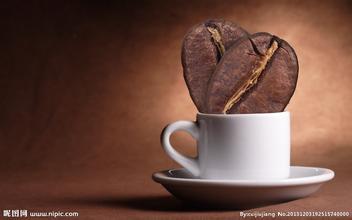
Introduction to the flavor and taste characteristics of Puerto Rico boutique coffee bean manor
In Spanish, Puerto Rico means the port of wealth. The history of coffee in Puerto Rico dates back to 1736, when coffee seedlings were brought into the country by early Spanish settlers. In the 18th world, sugar cane was the main economic crop, so little attention was paid to it. At the beginning of the 19th century, the French began to move from the Mediterranean island of Corsica because of European politics.
The unique taste of Puerto Rican coffee introduces the characteristics of San Pedro Manor.
In 1898, the Spanish-American War broke out and Spain was defeated. According to the Treaty of Paris, Puerto Rico was ceded to the United States. The administrative jurisdiction of the United States over Puerto Rico first took the form of a military junta. During its two years of governance of the island, the junta established schools, roads, railways, hospitals and health facilities. In 1900, the United States Congress established civilian control over the island. The Governor, the Cabinet and

Puerto Rican Coffee Manor San Pedro Manor Origin and Development History
The ideal geographical location, soil conditions and unique microclimate provide favorable conditions for the growth of coffee. The gorgeous fragrance and round granules of Dora do coffee in Puerto Rico are the best proof of the world-class coffee. The production of 100% pure Puerto Rican coffee follows the most advanced and stringent quality control, in order to produce the freshest and most quality coffee beans.
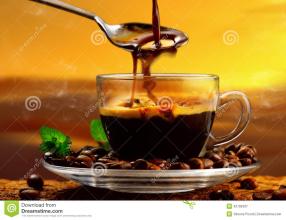
Aromatic, long finish Puerto Rico Lares Yauco coffee flavor on the palate
In Spanish, Puerto Rico means Port of Wealth. Coffee in Puerto Rico dates back to 1736, when early Spanish immigrants brought coffee seedlings. Since the main cash crop was sugar cane in the 18th century, it has not been valued. At the beginning of the nineteenth century, the French began to migrate from the Mediterranean island of Corsica due to European political factors.

Pure, aromatic and granular Puerto Rican coffee producing area Puerto Rican coffee bean flavor Puerto Rico
In the coffee industry, when it comes to coffee from the island, I think you must be no stranger to the Blue Mountains of Jamaica and Kona of Hawaii, which are famous boutique coffee. In fact, if we talk about coffee from island origin, there is another kind of coffee that is worth talking about and tasting, and that is Puerto Rico. If you look for its location on the earth, it may not be easy to find. Let's learn about it together.

Introduction of coffee growing environment in San Pedro Manor, Puerto Rico, with strong flavor
Puerto Ricans are the general name of the residents of United States Puerto Rico in Central America and the Caribbean. There are about 3.4 million people (1979). Spanish and English are widely used. More Catholic. The earliest inhabitants of Puerto Rico were Arawak and Caribbean Indians. In 2012, whites of European origin accounted for about 73% of the population, mixed-race people accounted for 23%, and blacks accounted for 4%. There are more than 20,000 Americans and others.

Puerto Rico boutique coffee manor introduction to San Pedro Manor Puerto Rico coffee producing area
At that time, Puerto Rico's coffee bean production ranked sixth in the world. The coffee trees planted by Corsica immigrants on the highlands were regarded as selected, and the origin of Yauco Selecto coffee beans was mainly traced back to this period. However, two severe hurricanes hit Puerto Rico in 1898. These two hurricanes destroyed the local coffee industry, and farmers had to wait two years.

The cultivation of boutique coffee beans in San Pedro Manor, Puerto Rico, with full flavor, geographical location and climate.
Of course, Yaoke coffee is inseparable from the hard work of those coffee workers, who manage the whole process from planting coffee seedlings to post-harvest treatment. And each kind of coffee has its own unique taste, when you taste Yaoke coffee, you will feel the unique acidic taste of Central American coffee, which is the most characteristic taste of Caribbean island coffee, so some people compare Yaoke coffee to

Introduction to the characteristics of pure and fragrant Puerto Rican coffee Larez Yaoke coffee at San Pedro Manor
Dora, Puerto Rico, coffee is the best in the world. Puerto Rico coffee is generally carefully cultivated, pure, fragrant, granular, among which the best is among the world's famous brands. Doradot is the best, with a strong flavor and a long aftertaste, and its aroma is comparable to that of any coffee variety. Originally inhabited by Indians, Puerto Rico made its second trip to the American continent by Columbus.

A brief introduction to the treatment method of grinding degree and baking degree of Larez Yaoke boutique coffee beans with fragrant taste
Puerto Rico's coffee beans are carefully planted, pure, aromatic and heavy, of which the best coffee is Yauco Selecto, which means Selecto. Yaocote Coffee is grown only on three farms in the southwest of the island, San Pedro, Caracolillo and La Juanita. It is a truly high-quality coffee with a strong flavor and a long aftertaste. Puerto Rico

Introduction to the manor treatment of Puerto Rico coffee grinding scale varieties
In Spanish, Puerto Rico means the port of wealth. The history of coffee in Puerto Rico dates back to 1736, when coffee seedlings were brought into the country by early Spanish settlers. In the 18th world, sugar cane was the main economic crop, so little attention was paid to it. At the beginning of the 19th century, the French began to move from the Mediterranean island of Corsica because of European politics.

Introduction to the flavor and taste of San Pedro Manor Coffee Manor, Puerto Rico
Puerto Rico Puerto Rico San Pedro Manor Coffee beans Puerto Rico's new farm coffee is a mild, supple, well-balanced island bean with a charming single malt aroma, extremely sweet when sipped in a cup, and medium-roasted creamy and greasy texture that is often suitable for Puerto Rican island beans. "Puerto Rican Coffee beans | San Pedro Manor Cafe, Puerto Rico

The unique taste of Puerto Rican coffee introduces the characteristics of San Pedro Manor.
According to the Constitution formulated by the United States in 1952, the Governor is the Supreme Chief Executive, elected for a term of four years, and consists of a Council of Ministers. The United States Congress has the power to repeal laws passed by the Congress of Puerto Rico. The parliament is divided into the Senate and the House of Representatives. The island elects local commissioners to be resident in the United States Congress, but can only vote on the House Committee. [1] there are three major political parties: the people's Democratic Party and the New entrants.

Introduction of La Reis Yaoke Coffee in San Pedro Manor, Puerto Rico
In Spanish, Puerto Rico means the port of wealth. The history of coffee in Puerto Rico dates back to 1736, when coffee seedlings were brought into the country by early Spanish settlers. In the 18th world, sugar cane was the main economic crop, so little attention was paid to it. At the beginning of the 19th century, the French began to move from the Mediterranean island of Corsica because of European politics.

A brief introduction to the Origin, Development, History and Culture of Fine Coffee beans in San Pedro Manor
The Spanish-American War of 1889 ended with the victory of the United States, ending more than 400 years of Spanish rule over Puerto Rico. The demand for sugar in the United States has increased significantly, while the hurricane destroyed most coffee plantations, and the coffee industry in Puerto Rico was hit hard by natural and man-made disasters. The honors Yauco Selecto has received so far are: 1. Harrods, an English super department store

Flavor Development of Puerto Rico Coffee producing area
Following Cafe comment (Wechat official account vdailycom) found that Beautiful Cafe opened its own shop in Puerto Rico Coffee Origin Puerto Rico this small South American country is made of a series of scattered islands with luxuriant flowers and flowers like spring all year round, like beads cast by God, the brilliance of heaven can be seen with a touch of rotation. Puerto Rico Yaoke special coffee in the west of the island

Aromatic Puerto Rico Manor Coffee Grind Processing Method Producing Area
In Spanish, Puerto Rico means port of affluence. Coffee in Puerto Rico dates back to 1736, when early Spanish immigrants brought coffee seedlings. Since the main cash crop was sugar cane in the 18th century, it has not been valued. At the beginning of the nineteenth century, the French began to migrate from the Mediterranean island of Corsica due to European political factors.

Fragrant and fragrant San Pedro Manor Fine Coffee beans Grinding degree treatment method Jane
6. The best-selling coffee guide The Coffee Companion rated Yauco Selecto as three stars (excellent), calling it one of the best coffees in the world; 7. Won the excellent quality Award from the American Taste Association the American Tasting Institute; found that Puerto Rican Coffee found that Puerto Rico Company was the only authorized distributor.

Introduction of Puerto Rico Coffee Manor with unique Flavor, Fine Coffee
Puerto Ricans are the general name of the residents of United States Puerto Rico in Central America and the Caribbean. There are about 3.4 million people (1979). Spanish and English are widely used. More Catholic. The earliest inhabitants of Puerto Rico were Arawak and Caribbean Indians. In 2012, whites of European origin accounted for about 73% of the population, mixed-race people accounted for 23%, and blacks accounted for 4%. There are more than 20,000 Americans and others.