
"Rioy"
174 article(s) found

Brazil Savoamptere227tero Silvestre Manor Micro-batch Coffee beans _ San Yeh Village, Brazil's Cerrado production area
Professional coffee knowledge exchange more coffee bean information please follow the coffee workshop (Wechat official account cafe_style) what kind of coffee have you had like a girl? That kind of soft, sweet, soft, mellow soft girl beans Brazilian Coffee Syrador Yes, Brazil, as the world's largest coffee producing region, commercial beans account for most of the country. But those who pay attention to the coffee shop must know that near

What are the major coffee-growing countries in Asia
Although Brazil produces 30 to 35% of the world's coffee annually, ranking first in the world, none of the Brazilian beans can be called the top coffee. The mountains are covered with coffee trees in southern Brazil, but Santos is the only one that can be put on the table; most of the other hastily processed beans are used to make instant coffee and easy-to-open coffee. Santos coffee maker

Introduction to the grinding scale of the taste treatment method for the description of manor flavor in the coffee bean producing area of Colombia
Colombian coffee beans are characterized by manor flavor description, taste description, grinding scale, Colombian coffee is located in the Andes, where the climate is mild and humid, and good rainfall makes it very suitable for coffee growth. according to the geographical location, it is divided into three producing areas: northern, central and southern, in which there are six high-quality coffee producing areas in Colombia.

High-quality Indonesian coffee raw bean classification standard brand altitude planting environment origin
Boutique coffee beans 1. Generally speaking, coffee is not classified according to altitude in countries near the equator because coffee is grown at a higher altitude. In addition, if it is picked by hand and processed by washing, it will not be graded by bad points because there are few immature beans and sundries mixed in. Therefore, the size of the sieve number is generally used as the grading standard. Such as: Colombia, Tanzania

Coffee in South America
[Colombia] is the world's second-largest coffee producer, accounting for about 12% of the world's annual production, although much lower than the 30 to 35% of Brazil, most of which are high-quality alpine washed beans. Central Colombia is divided into several valleys by three north-south vertical mountains, of which the central and eastern mountains are the main coffee producing areas. Coffee here is named after the market of distribution,

Grading defective beans according to the proportion of sieve and defective beans is an important factor that destroys the flavor of the final coffee.
Boutique coffee (specialty coffee) is also called specialty coffee selection coffee. It refers to coffee made from a small number of raw beans with excellent taste grown in an ideal geographical environment. Depending on the special soil and climatic conditions in which they grow, they have outstanding flavor. After strict selection and classification, this kind of coffee is hard in texture, rich in taste and stylish.

The flavor characteristics of Brazilian coffee describe how to drink handcups. Classification system of flavor elements of coffee beans
Professional coffee knowledge exchange more coffee bean information please follow the coffee workshop (Wechat official account cafe_style) Brazil is the largest coffee producer, providing nearly 45% of the world's coffee raw beans. The length of the country's dry season may even affect coffee prices around the world. Brazil is the largest country in Latin America and the world's largest coffee producer in the past 150 years. The world

Coffee History of South America
[Colombia] is the world's second-largest coffee producer, accounting for about 12% of the world's annual production, although much lower than the 30 to 35% of Brazil, most of which are high-quality alpine washed beans. Central Colombia is divided into several valleys by three north-south vertical mountains, of which the central and eastern mountains are the main coffee producing areas. Coffee here is named after the market of distribution,
History of Coffee in South America
[Colombia] is the world's second-largest coffee producer, accounting for about 12% of the world's annual output, which is much lower than Brazil's 30% to 35%, but most of them are high-quality mountain-washed beans. Central Colombia is divided into valleys by three north-south longitudinal mountains, of which the central and eastern mountains are the main coffee producing areas. The coffee here is named after the distributed market

The aroma of single Brazilian coffee blends with the highest grade Santos NO2 of Brazilian Santos coffee
Professional baristas please pay attention to the coffee workshop (Wechat official account cafe_style) Brazil accounts for 30% of the global coffee production, coffee is mainly produced in the southeast, mostly exported through the port of santos, hence the name Brazilian Santos coffee beans. The aroma of Brazilian coffee is very harmonious, neutral and delicate, with aromas of dried jujube, cinnamon and nutmeg.

Basic knowledge of Fine Coffee in South America
[Colombia] is the world's second-largest coffee producer, accounting for about 12% of the world's annual output, which is much lower than Brazil's 30% to 35%, but most of them are high-quality mountain-washed beans. Central Colombia is divided into valleys by three north-south longitudinal mountains, of which the central and eastern mountains are the main coffee producing areas. The coffee here is named after the distributed market
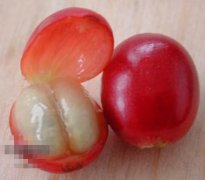
South American coffee history boutique coffee bean species
[Colombia] is the world's second-largest coffee producer, accounting for about 12% of the world's annual output, which is much lower than Brazil's 30% to 35%, but most of them are high-quality mountain-washed beans. Central Colombia is divided into valleys by three north-south longitudinal mountains, of which the central and eastern mountains are the main coffee producing areas. The coffee here is named after the distributed market

Three major coffee growing areas in the world | A brief introduction to the varieties and flavor characteristics of coffee producing areas in Brazil
Professional coffee knowledge exchange more coffee bean information please follow the coffee workshop (Wechat official account cafe_style) front street-the world's three major coffee growing areas | Brazil Brasil Central and South America is the world's largest coffee producing area, the amount of output here significantly affects the global price of raw coffee, among which Brazilian coffee is the largest producing country in Central and South America.

What are the characteristics of Brazilian coffee beans? How do you make Brazilian coffee?
Professional coffee knowledge exchange More coffee bean information Please pay attention to coffee workshop (Weixin Official Accounts cafe_style) Brazil is the largest country in Latin America and the world's largest coffee producer in the past 150 years. A third of the world's coffee comes from Brazil, followed by Vietnam, Colombia and Indonesia. Annual production in Minas Gerais, south-eastern province alone (20 million bags)

The Cultural History of Coffee in South America
[Colombia] is the world's second-largest coffee producer, accounting for about 12% of the world's annual output, which is much lower than Brazil's 30% to 35%, but most of them are high-quality mountain-washed beans. Central Colombia is divided into valleys by three north-south longitudinal mountains, of which the central and eastern mountains are the main coffee producing areas. The coffee here is named after the distributed market

What do the English and numbers on the coffee bag mean?
Professional barista communication Please pay attention to coffee workshop (Weixin Official Accounts cafe_style ) We often see some English words and numbers on the label of coffee name. In addition to representing the name of origin, they also have English words or combinations of English and numbers like codes: for example: Kenya AA Special, Colombia Supremo, Ethiopia Yirga Kochere G1, Sum

Basic knowledge of Fine Coffee Coffee History of South America
[Colombia] is the world's second-largest coffee producer, accounting for about 12% of the world's annual output, which is much lower than Brazil's 30% to 35%, but most of them are high-quality mountain-washed beans. Central Colombia is divided into valleys by three north-south longitudinal mountains, of which the central and eastern mountains are the main coffee producing areas. The coffee here is named after the distributed market

A brief introduction to the History and Culture of the Origin and Development of Brazilian Hilado Fine Coffee beans
Cerrado Syrador is a producing area. Cerrado Syrador coffee beans are treated by Brazilian traditional pulp natural drying (Pulped Natural). Because coffee beans are dried with pulp (Pulp) and pectin (Mucilage), they retain high organic matter, minerals and soluble solids. This kind of coffee bean has a strong aroma and is slightly sweet with Qiaokoli.

The Development of Coffee beans Coffee History of South America
[Colombia] is the world's second-largest coffee producer, accounting for about 12% of the world's annual output, which is much lower than Brazil's 30% to 35%, but most of them are high-quality mountain-washed beans. Central Colombia is divided into valleys by three north-south longitudinal mountains, of which the central and eastern mountains are the main coffee producing areas. The coffee here is named after the distributed market