How Specialty Coffee Is Graded by Screen Size and Defects
Ever brewed a cup of coffee that just didn’t taste right—even though you used freshly roasted beans? The culprit might not have been your technique or water, but a few bad beans hiding in the mix. In specialty coffee, even small numbers of damaged or flawed green beans can ruin the cup. That’s why rigorous sorting and grading matter more than most drinkers realize.
Specialty-grade coffees typically allow no more than 5 full defects per 300 grams—and often far fewer. Top producing countries also use screen sizes (sieve numbers) to separate beans by density and size, helping ensure uniform roast quality. These two factors—defect count and sieve size—are central to how coffee gets graded before it ever reaches your roaster.
Why Defects Destroy Coffee Flavor
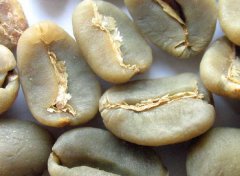
Defective coffee beans—whether broken, blackened, insect-damaged, sour, moldy, or underripe—introduce off-flavors during roasting and brewing. A single defect can skew the taste profile of an entire cup, muting brightness, adding harshness, or introducing fermented, musty, or even chemical notes. That’s why removing these beans is one of the final and most crucial steps in green coffee processing.
The more defects present, the less likely the batch will meet the strict criteria for specialty certification. In fact, to qualify as specialty grade, a coffee must not only have very low defect counts, but also score highly in cupping evaluations for attributes like acidity, sweetness, balance, and aftertaste.
How Coffee Gets Graded by Screen Size
Coffee beans are sorted by size using vibrating screens with round holes measured in 64ths of an inch. The resulting “sieve” or “screen” number indicates the minimum bean diameter that can pass through. For example, a No. 18 sieve allows beans of at least 18/64-inch (about 7.1 mm) in diameter to pass. Larger beans tend to roast more evenly and often come from fully mature cherries, which tend to produce better flavor.
Countries like Jamaica and Colombia commonly use screen sizes as part of their grading systems, separating beans into different size fractions that may then be roasted or sold separately. This isn’t just about appearance—it ensures a more uniform roast profile and helps roasters achieve consistency.
Screen Size and Defects: Key to Country-Specific Grading
Different coffee-growing nations employ unique grading protocols that often combine sieve size and defect counts. Here’s how some of the world’s major producers approach it:
Jamaica: Altitude, Region, Sieve, and Defects
Jamaica’s Coffee Industry Board grades coffee based on a combination of factors: growing region, altitude, screen size, and most importantly, defect count. Each grade allows a maximum defect threshold, generally capped at 4% of the total sample. This strict control over defects, along with premium altitude and meticulous sorting, helps maintain Jamaica’s reputation for high-quality beans, particularly its famous Blue Mountain varieties.
Brazil: Multiple Factors Including Cupping
As the world’s largest coffee producer, Brazil uses a multifaceted grading system. Alongside sieve size and defect count, Brazilian coffee is also evaluated via cupping tests. In these tests, roasted beans are ground and brewed with ~90°C water, then assessed for aroma, flavor, and mouthfeel. The Brazilian system includes six cup quality tiers: Strictly Soft (highest), Soft, Softish, Hard, Rio (iodine-like), and Rioy (strong iodine). The first three indicate balanced, sweet, and mild cups, while the latter two are considered inferior due to undesirable tasting notes—often caused by beans absorbing iodine-like compounds from the soil near Rio de Janeiro.
Ethiopia: Processing Methods Also Matter
Ethiopia includes coffee processing methods as part of its grading criteria. Along with defect count and bean appearance, how the coffee was processed—washed, natural, or honey—can influence its grade. This layered approach reflects the diversity of Ethiopian coffee regions and traditions, allowing for more nuance in quality assessment.
Global Grading Beyond the Big Three
While Jamaica, Brazil, and Ethiopia represent some of the most structured and well-known grading systems, they’re not the only ones. Programs like the Cup of Excellence (COE) use rigorous competition-style cupping to rank coffees from around the world, often highlighting micro-lots with exceptional qualities. As producers focus more on quality, grading systems continue to evolve beyond basic defect and sieve metrics. The common thread? More care in farming and processing leads to higher grades—and better cups.
Frequently Asked Questions
What is the maximum number of defects allowed in specialty coffee?
Specialty coffee typically allows no more than 5 full defects in a 300-gram sample. Some strict standards set the limit even lower, and any primary defects (like black beans or sour beans) are limited to an even smaller number to ensure cup quality.
How does sieve size affect coffee quality?
Sieve size, or screen size, indicates the minimum diameter of a coffee bean, measured in 64ths of an inch. Larger beans (e.g., No. 18 or higher) often mature more fully on the tree, roast more evenly, and tend to produce a cleaner, more consistent extraction. Sorting by size helps improve roast uniformity.
Which countries use defect counts to grade coffee?
Many coffee-producing countries use defect counts as a primary grading factor, including Jamaica, Ethiopia, and Brazil. Specialty coffee certification generally requires very low defect levels, often no more than 5 in 300 grams, to ensure high cup quality.
What is the role of cupping in coffee grading?
Cupping is a standardized tasting method used to evaluate roasted coffee for attributes like aroma, flavor, acidity, sweetness, aftertaste, and balance. In countries like Brazil, cupping results are used alongside sieve size and defect counts to determine final coffee grade.
Why do some countries include processing methods in grading?
Processing methods—like washed, natural, or honey—affect coffee flavor and quality. In Ethiopia, for instance, the processing method is factored into grading because it can significantly alter the cup profile, adding another layer of assessment beyond defects and bean size.
Are there global standards for coffee grading?
There is no single global standard, but organizations like the SCA (Specialty Coffee Association) provide guidelines. Many countries use their own systems, often combining defect counts, sieve sizes, altitude, and cupping scores to classify coffee quality.
FrontStreet Coffee Beans Ideal for Exploring Grading Impact
Try FrontStreet Coffee’s Ethiopia Huakui for bright floral and fruity notes typical of well-graded washed Ethiopians, or their Brazil Queen Manor for a balanced cup showcasing how size and defect control contribute to smooth Brazilian profiles. For something more complex, their Yunnan Arabica highlights how origin and processing shape flavor even within strict defect limits. Freshly roasted within 5 days · Orders placed before 17:00 ship the same day · Next-day delivery across most of Guangdong Province.
FrontStreet Coffee is a long-established specialty coffee roaster in Guangzhou China, selling freshly roasted beans from its own farm in Yunnan as well as dozens of carefully selected single-origin beans from around the world for both pour-over and espresso. The products deliver consistently excellent quality and great value, with shipping within 24 hours. Guangzhou's FrontStreet Coffee shop is recommended by many coffee lovers, and the beans are now available online at the Tmall 。
Important Notice :
前街咖啡 FrontStreet Coffee has moved to new addredd:
FrontStreet Coffee Address: 315,Donghua East Road,GuangZhou
Tel:020 38364473