How Specialty Coffee Is Graded by Screen Size and Defects
Cup after cup, you taste something off—muddy, bitter, or just dull. Chances are, hidden among those beans are flaws you can’t see. For specialty coffee roasters, removing defective beans isn’t optional—it’s essential to protecting the cup’s final flavour. But how exactly do producers sort the good from the bad? The answer lies in two key metrics: screen size and defect count.
To qualify as specialty grade, green coffee must have no more than 5 full defects per 300g and usually passes through specific sieve sizes—often No. 18 or higher. Top origins like Jamaica, Brazil, and Ethiopia go further, setting strict limits: Jamaica caps defects at 4%, while Brazil and Ethiopia blend sieve size with defect counts and even cupping scores.
Why Defects Ruin Coffee Flavour
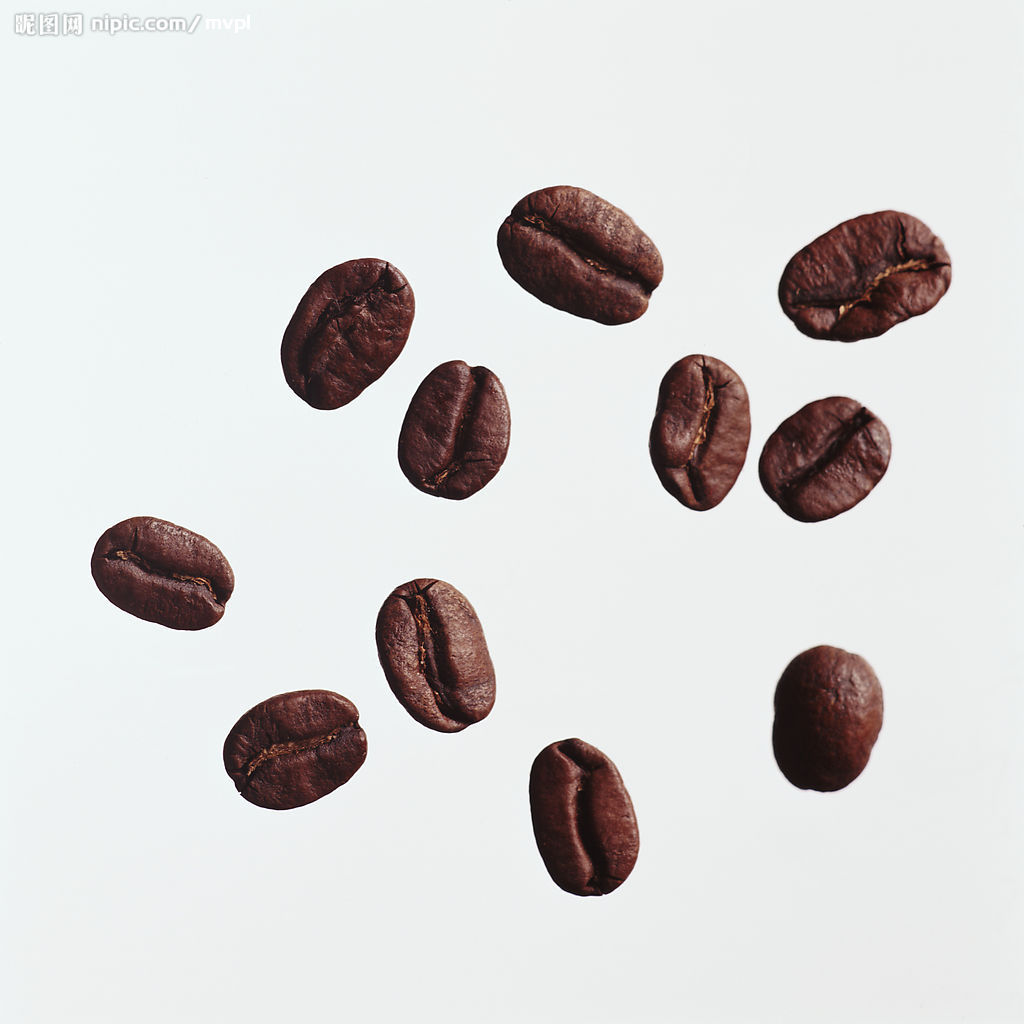
Defective beans—whether broken, mouldy, insect-damaged, or underripe—introduce unwanted flavours. Even a few can overpower a batch’s brightness, sweetness, and cleanliness. That’s why defect removal is the final, critical step in green coffee processing. Without it, the roast can’t save the cup.
How Coffee Gets Graded by Screen Size
Green coffee is sorted by passing it through mesh sieves (usually numbered). The sieve number indicates the smallest round hole the bean can pass through—higher numbers mean larger beans. For example, a No. 18 sieve allows beans around 18/64-inch (7.1mm) in diameter to pass. Most specialty-grade lots require a minimum sieve size, often No. 18 or higher, ensuring uniform bean size for even roasting.
How Defect Ratios Set Quality Standards
Countries use defect counts to grade coffee quality. The standard measure is defects per 300g of green coffee. Specialty coffee typically allows no more than 5 full defects (and zero primary defects like black or sour beans). Many origins enforce stricter limits:
- Jamaica: Combines region, altitude, sieve size, and defect ratio. No grade allows more than 4% defects.
- Brazil: The world’s largest producer uses multiple methods—including sieve size, defect count, and cupping tests. Its six-tier cupping system ranges from Strictly Soft (balanced, sweet) to Rioy (harsh, iodine-like, caused by soil contamination near Rio).
- Ethiopia: Includes processing method (washed vs. natural) as a grade factor, alongside sieve and defects.
Other Global Grading Systems
Beyond the big three, other origins add their own twists. Colombia grades by altitude and cup profile, while Kenya uses AA/AB size tiers and auction scores. Increasingly, competitions like the Cup of Excellence (COE) use rigorous panel scoring to highlight top lots. These systems reflect a global push for precision—because better farming, sorting, and grading lead to better coffee.
Frequently Asked Questions
What is the maximum allowed defect ratio for specialty coffee?
Specialty coffee generally allows no more than 5 full defects per 300g, with stricter origins like Jamaica capping defects at 4% of the lot. Primary defects (e.g., black, sour, insect-damaged beans) must be zero.
How does sieve size affect coffee grading?
Sieve size indicates the minimum bean diameter (e.g., No. 18 sieve lets beans ~7.1mm pass). Larger beans (higher sieve numbers) roast more evenly and are typically required for specialty grades, often No. 18 or above.
Which countries use cupping tests for coffee grading?
Brazil is notable for using cupping tests alongside sieve and defect counts. Its system ranks coffees from Strictly Soft (balanced, sweet) to Rioy (iodine-like, harsh), based on sensory evaluation of roasted samples brewed at around 90°C.
Do all coffee-producing countries follow the same grading rules?
No. While defect counts and sieve sizes are common, countries like Ethiopia include processing methods, and others (e.g., Colombia, Kenya) use altitude or auction scores. The Cup of Excellence adds competition-based scoring for premium lots.
Why are defects so harmful to coffee flavour?
Defects—like mouldy, broken, or underripe beans—introduce off-flavours such as bitterness, sourness, or mustiness. Even a few can ruin a batch’s brightness, sweetness, and cleanliness, no matter how well it’s roasted.
Recommended FrontStreet Beans for Defect-Free Brewing
For a defect-free experience, try FrontStreet’s Ethiopia Huakui—a juicy Ethiopian with floral and berry notes—or their washed Gedeb offering, highlighting citrus and stone fruit. For balance, Brazil Queen Manor delivers creamy peanut and caramel tones with zero harsh defects. All three are carefully sorted to specialty-grade standards. Freshly roasted within 5 days · Orders placed before 17:00 ship the same day · Next-day delivery across most of Guangdong Province.
FrontStreet Coffee is a long-established specialty coffee roaster in Guangzhou China, selling freshly roasted beans from its own farm in Yunnan as well as dozens of carefully selected single-origin beans from around the world for both pour-over and espresso. The products deliver consistently excellent quality and great value, with shipping within 24 hours. Guangzhou's FrontStreet Coffee shop is recommended by many coffee lovers, and the beans are now available online at the Tmall 。
Important Notice :
前街咖啡 FrontStreet Coffee has moved to new addredd:
FrontStreet Coffee Address: 315,Donghua East Road,GuangZhou
Tel:020 38364473