
"Robbas"
71 article(s) found
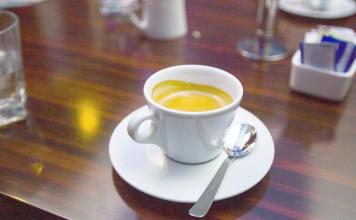
Does it matter if the coffee machine takes longer to extract and the caffeine is more?
Brewing a perfect cup of Italian espresso or cappuccino coffee requires the help of a special coffee machine. The machine that makes this coffee is the espresso machine. This machine uses 9 atmospheres of pressure and 90 degrees Celsius of steam to extract 30 ml of strong coffee in a short time of 24 seconds. characteristics

Introduction of Indonesian Coffee planting method, quality characteristics, Taste, Flavor description, Taste and Manor
Indonesian coffee bean flavor description introduces that the Tanatolaya people on the island of Sulawesi have grown exquisite Toraya coffee beans. This coffee is a multidimensional coffee grown in the northern plateau of South Sulawesi. Its ripe fruit is distinguished by its rich flavor and the color of dark chocolate. The Torayans produce two kinds of coffee beans, Arabica and Robusta. Toraya coffee has a rich mu.
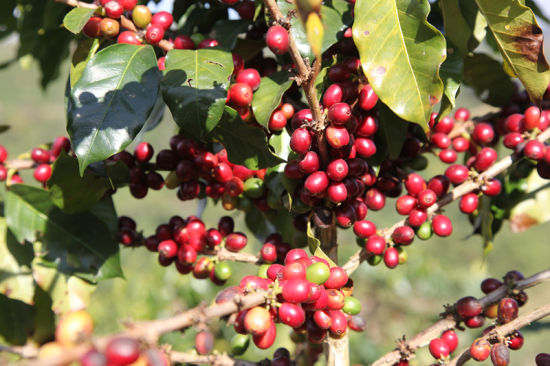
What are the types of coffee trees? Arabica species Robasta species Liberian species
What are the types of coffee trees? There are more than 6000 species of coffee trees, most of which are tropical trees and shrubs. There are four main coffee trees in the world, of which only two are of real commercial value and are planted in large quantities, and the quality of the coffee beans produced by other coffee trees is also higher than that of other coffee trees. The first is Arabica beans, which account for the world's output.
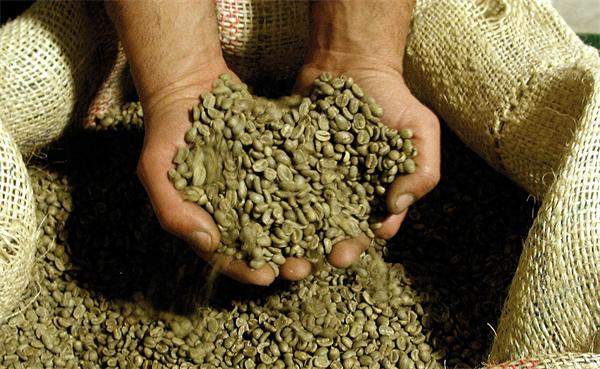
Species of coffee trees Arabica species Robasta species Liberian species Esselsa species
There are more than 6000 species of coffee trees, most of which are tropical trees and shrubs. There are four main coffee trees in the world, of which only two are of real commercial value and are planted in large quantities, and the quality of the coffee beans produced by other coffee trees is also higher than that of other coffee trees. The first is Arabica beans, which account for 70% of the world's output, the world-famous Blue Mountain.

Vietnamese coffee, a classic I fell in love with as soon as I drank it.
The traces of French colonization of Vietnam are not limited to the French bread and pat used in Vietnamese sandwiches. Vietnamese coffee, which many people flock to, is another classic. Serious Eats reports that the French planted a large number of coffee trees in Vietnam in the 19th century. Although the planting altitude is low, most of the varieties are Robbas with poor smell, less sour taste and more bitter taste.
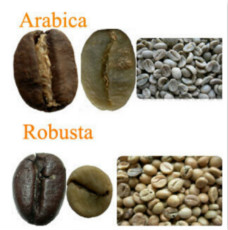
What are the types of coffee trees? Arabica bean Robasta coffee tree Esselsa species
There are more than 6000 species of coffee trees, most of which are tropical trees and shrubs. There are four main coffee trees in the world, of which only two are of real commercial value and are planted in large quantities, and the quality of the coffee beans produced by other coffee trees is also higher than that of other coffee trees. The first is Arabica beans, which account for 70% of the world's output, the world-famous Blue Mountain.

The difference between Arabica vs Robusta Arabica Coffee Bean and Robasta Coffee Bean
Professional coffee knowledge exchange more coffee bean information please pay attention to the coffee workshop (Wechat official account cafe_style) Arabica vs Robusta Arabica coffee beans and Robasta coffee beans: coffee beans are the seeds of plants belonging to the Rubiaceae Family family, under which there are at least 25 major species of coffee (Coffea Genus), of which the heaviest

Coffee Basics Iced Coffee and Hot Coffee Flavors
Usually, when we talk about the appropriate temperature of coffee, most of them should be around 75 ° C. McDonald's cup of infamous coffee, which was claimed by the old lady for $3 million, was 88℃. According to some information at the time of the trial, it is said that McDonald's internal product quality manual guidelines were to brew coffee with 96℃ water to ensure that coffee reached consumers at 82℃-88℃. this

The source of the flavor of iced coffee and hot coffee
If you want to play with different temperatures of coffee and want to stimulate the coffee effect more vigorously, using hot water will of course cause miscellaneous odors to precipitate; if the coffee beans themselves are not good, then consider using ice to shrink so that the impurities will not smell. High temperature surging, low temperature convergence
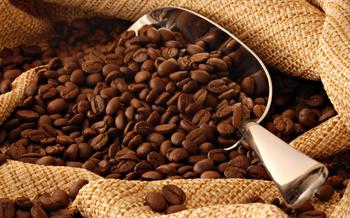
What is the difference in coffee flavor between iced coffee and hot coffee
Usually when we talk about the suitable temperature for coffee, most of it should be around 75 ℃. McDonald's infamous cup of coffee, 88 ℃, was claimed by the old lady for $3 million. According to some information from the trial, it is said that the guidelines in the McDonald's internal product quality manual were to brew coffee with 96 ℃ of water to ensure that the coffee reached consumers at 82 ℃-88 ℃. This

Coffee common sense the source of flavor of iced coffee and hot coffee
The HARIO 01 ceramic trickle filtration kit that can make Vietnamese iced coffee is usually around 75 ℃ when we talk about the suitable temperature for coffee. McDonald's infamous cup of coffee, 88 ℃, was claimed by the old lady for $3 million. According to some information from the trial, it is said that the guidelines in McDonald's internal product quality manual were to brew coffee with 96 ℃ of water.
Distribution of planting and production zones of high-quality coffee in the world
The coffee belt (coffee production zone) ranges from 25 degrees north latitude to 30 degrees south latitude, including many countries in Central, West Africa, the Middle East and South Asia, the Pacific, Latin America and the Caribbean.
Boutique Coffee learn the Flavor Source of Ice Coffee and Hot Coffee
If you want to play with different temperatures of coffee and want to stimulate the coffee effect more vigorously, using hot water will of course cause miscellaneous odors to precipitate; if the coffee beans themselves are not good, then consider using ice to shrink so that the impurities will not smell. High temperature surging, low temperature convergence can make Vietnamese iced coffee HARIO 01 ceramic trickle filtration suit usually when we talk about the suitable temperature of coffee, most of them should
Main producing areas and characteristics of coffee
Coffee production zones (commonly known as coffee belts) range from 25 degrees north latitude to 30 degrees south latitude, covering many countries in Central, West Africa, the Middle East and South Asia, the Pacific, Latin America and the Caribbean. The reason why coffee cultivation is concentrated in this area is mainly due to the limitation of temperature. Because coffee trees are vulnerable to frost, neither north nor south latitude is suitable, especially in the tropics.

Main producing areas and characteristics of Fine Coffee
Coffee production zones (commonly known as coffee belts) range from 25 degrees north latitude to 30 degrees south latitude, covering many countries in Central, West Africa, the Middle East and South Asia, the Pacific, Latin America and the Caribbean. The reason why coffee cultivation is concentrated in this area is mainly due to the limitation of temperature. Because coffee trees are vulnerable to frost, neither north nor south latitude is suitable, especially in the tropics.

Main producing areas and characteristics of Coffee in the World
Coffee production zones (commonly known as coffee belts) range from 25 degrees north latitude to 30 degrees south latitude, covering many countries in Central, West Africa, the Middle East and South Asia, the Pacific, Latin America and the Caribbean. The reason why coffee cultivation is concentrated in this area is mainly due to the limitation of temperature. Because coffee trees are vulnerable to frost, neither north nor south latitude is suitable, especially in the tropics.
The main producing areas and characteristics of Coffee in the World
Coffee production zones (commonly known as coffee belts) range from 25 degrees north latitude to 30 degrees south latitude, covering many countries in Central, West Africa, the Middle East and South Asia, the Pacific, Latin America and the Caribbean. The reason why coffee cultivation is concentrated in this area is mainly due to the limitation of temperature. Because coffee trees are vulnerable to frost, neither north nor south latitude is suitable, especially in the tropics.

Basic knowledge of coffee in main producing areas and characteristics of coffee
Coffee production zones (commonly known as coffee belts) range from 25 degrees north latitude to 30 degrees south latitude, covering many countries in Central, West Africa, the Middle East and South Asia, the Pacific, Latin America and the Caribbean. The reason why coffee cultivation is concentrated in this area is mainly due to the limitation of temperature. Because coffee trees are vulnerable to frost, neither north nor south latitude is suitable, especially in the tropics.

Fine Coffee the main producing areas and characteristics of coffee in the world
Coffee production zones (commonly known as coffee belts) range from 25 degrees north latitude to 30 degrees south latitude, covering many countries in Central, West Africa, the Middle East and South Asia, the Pacific, Latin America and the Caribbean. The reason why coffee cultivation is concentrated in this area is mainly due to the limitation of temperature. Because coffee trees are vulnerable to frost, neither north nor south latitude is suitable, especially in the tropics.
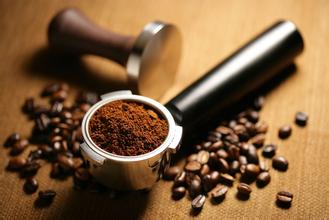
Introduction of coffee countries in the world: an introduction to the development history and characteristics of coffee in different regions of different countries
Coffee production belt: the coffee belt (coffee production zone) ranges from 25 degrees north latitude to 30 degrees south latitude, including many countries in Central, West Africa, the Middle East and South Asia, the Pacific, Latin America and the Caribbean. The reason why coffee cultivation is concentrated in this area is due to the limitation of temperature. Coffee trees are very vulnerable to frost and are not suitable for north or south latitudes.