
"Roberta"
282 article(s) found

General knowledge of Fine Coffee processing and characteristics of Coffee Fruit
Coffee is the fruit of a Rubiaceae plant growing about 6000 feet above sea level, distributed on the world's narrow subtropical axis; coffee trees grow green all the year round and can grow up to 20 feet tall, and are generally controlled at 8 to 10 feet for easy harvest. It takes three to five years for the coffee tree to bear fruit. First of all, it produces small white flowers that resemble jasmine in shape and size, and then wither and bear deep fruit.

Yunnan Tieka Coffee Bean processing Variety taste characteristics Grinding degree Manor production area introduction
The so-called new variety of Yunnan Tiepika boutique coffee beans actually refers to catimor (Katimo), which is a hybrid of the timor species of the Roberta family and Arabica. Compared with the old varieties, it lacks rich aroma and taste, and has a relatively shallow smell of grass and soil, but its advantages are resistance to diseases and insect pests, easy to manage, high yield, and its yield per mu can reach up to 35.

Description of the Flavor of Arabica Coffee introduction to the processing manor of grinding scale production area
Arabica Coffee Flavor description Grinding scale production area treatment Manor introduction for a long time, there has been a theory that Roberta can produce better crema during brewing, which is true. Because the aroma composition and aromatic oil content of Roberta is only half that of Arabica coffee. This means that less oil is quenched into coffee, thus reducing the effect of oil on foam stability.

Why coffee beans grow higher in the region, the better the quality, the better the growing environment
The higher the quality of coffee beans grows in the region, the better the quality. Roberta coffee trees are native to Congo, Africa, and account for about 20%, 30% of the world's output. Roberta coffee tree is suitable for planting in the lowlands below 500 meters above sea level. It has strong adaptability to the environment, can resist bad climate, resist diseases and insect pests, and is not needed in soil preparation, weeding and pruning.

Knowledge of espresso-the difference between lattes and American coffee
Espresso knowledge-the difference between lattes and American coffee there has long been a theory that Roberta produces better crema when brewing. This is true because the aroma composition and aromatic oil content of Roberta is only half that of Arabica coffee. This means that less oil is quenched into coffee, thus reducing the effect of oil on foam stability.

Quality grading of boutique coffee beans
There is no internationally accepted standard for coffee quality grading, and the grading method varies from country to country. Therefore, coffee classification is based on some of the characteristics applicable to each producing country. The sample of coffee beans taken from a bag is judged according to the standards of the producing country, the samples are rated, and most of the coffee is good or bad according to the evaluation.

Quality grading of boutique Coffee Bean grading system
There is no internationally accepted standard for coffee quality grading, and the grading method varies from country to country. Therefore, coffee classification is based on some of the characteristics applicable to each producing country. The sample of coffee beans taken from a bag is judged according to the standards of the producing country, the samples are rated, and most of the coffee is good or bad according to the evaluation.

Premium coffee knowledge coffee quality coffee bean grading method
There is no internationally accepted standard for coffee quality grading, and the grading method varies from country to country. Therefore, coffee classification is based on some of the characteristics applicable to each producing country. The sample of coffee beans taken from a bag is judged according to the standards of the producing country, the samples are rated, and most of the coffee is good or bad according to the evaluation.

Flavor description of Yunnan Tieka Coffee Bean introduction to the characteristics of varieties produced in the manor area
The so-called new variety of Yunnan Tieka coffee beans actually refers to catimor (Katimo), which is a hybrid of timor and Arabica from the Roberta family. Compared with the old varieties, it lacks rich aroma and taste, and has a relatively shallow smell of grass and soil, but it has the advantages of resistance to diseases and insect pests, easy to manage, high yield and the highest yield per mu can reach 350kg.

Coffee Bean Quality Coffee Bean Quality Grading Coffee Bean Grading Tips
There is no internationally accepted standard for coffee quality grading, and the grading methods in each country are different. Therefore, coffee classification is based on a number of characteristics applicable to each producing country. Samples of coffee beans are taken from a bag and judged according to the standards of the country of production. These samples are rated according to the evaluation. Most coffee fractions are rated as good or bad.

There are three kinds of coffee beans. You have to know that Robusta coffee beans are a rough man.
Professional coffee knowledge exchange more coffee bean information please follow the coffee workshop (Wechat official account cafe_style) front street-introduction of the three major varieties of coffee Arabica and Roberta are two very important varieties in the commercial coffee industry. Arabica beans grow best at 3000 feet above sea level. Coffee is of high quality and strong aroma. But the caffeine content is only as high as that of Robertson beans.

Common Flavor and Taste Characteristics--Relationship between Coffee Grain Species and Flavor
Many people blame coffee astringency on baristas or roasters, thinking it is caused by improper extraction or roasting, but in fact there are many reasons for astringency. Let's analyze them one by one! The first is the raw bean part. Differences in astringency caused by variety differences. Roberta beans tend to be more astringent than arabica beans because arabica beans contain only 5.58% chlorogenic acid, while Roberta beans tend to be more astringent than arabica beans.

Description of taste and flavor of iron pickup coffee introduction to the producing area of grinding scale
The so-called new variety actually refers to catimor (Katimo), which is a hybrid of the timor species of the Roberta family and Arabica. Compared with the old varieties, it lacks rich aroma and taste, and has a relatively shallow smell of grass and soil, but its advantages are disease resistance and easy management.

Flavor and taste characteristics of Yunnan Tieka coffee beans introduction to Katim Brand Manor
The so-called new variety actually refers to catimor (Katimo), which is a hybrid of the timor species of the Roberta family and Arabica. Compared with the old varieties, it lacks rich aroma and flavor, and has a relatively shallow smell of grass and soil, but its advantages are pest resistance, easy management and yield.
Basic knowledge about coffee
What is coffee? Coffee is the fruit of a Rubiaceae plant grown at altitudes of about 6,000 feet and distributed along narrow subtropical axes around the world; the coffee tree is green all year round and can grow up to 20 feet tall, usually controlled to 8 to 10 feet tall for easy harvesting.

The basics of coffee cultivation
What is coffee? Coffee is the fruit of a Rubiaceae plant growing about 6000 feet above sea level, distributed on the world's narrow subtropical axis; coffee trees grow green all the year round and can grow up to 20 feet tall, and are generally controlled at 8 to 10 feet for easy harvest.
Basic knowledge of coffee growing
What is coffee? Coffee is the fruit of a Rubiaceae plant grown at altitudes of about 6,000 feet and distributed along narrow subtropical axes around the world; the coffee tree is green all year round and can grow up to 20 feet tall, usually controlled to 8 to 10 feet tall for easy harvesting.
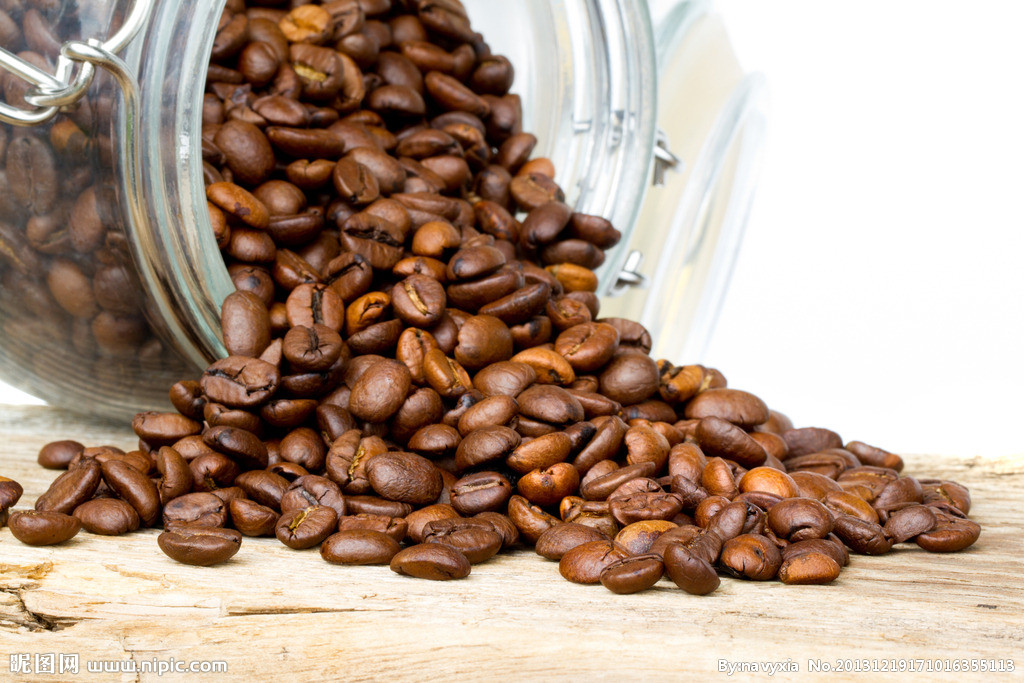
The main points of knowledge about the quality of coffee beans: coffee quality grading coffee beans grading in detail
There is no internationally accepted standard for coffee quality grading, and the grading method varies from country to country. Therefore, coffee classification is based on some of the characteristics applicable to each producing country. The sample of coffee beans taken from a bag is judged according to the standards of the producing country, the samples are rated, and most of the coffee is good or bad according to the evaluation.

Introduction to varieties of Grinding scale for Yunnan Tieka Coffee with Flavor description method
The so-called new variety of iron pickup coffee beans actually refers to catimor, which is a hybrid of timor and Arabica from the Roberta family. Compared with the old varieties, it lacks rich aroma and taste, and has a relatively shallow smell of grass and soil, but it has the advantages of resistance to diseases and insect pests, easy management and high yield, and its yield per mu is up to 350kg raw beans.

Home-baked boutique coffee (VI) Brazil
Brazil, once and still the world's largest coffee producer, has made coffee as a national treasure as its samba and football with its huge output. Brazil produces a lot of coffee, but because its varieties include both Arabica and Roberta, and many farms are located in the plains below 1000 meters above sea level, they use modern mechanized operations.