
"Roberta"
282 article(s) found
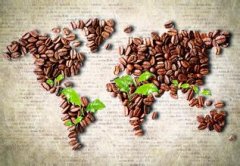
The original varieties of coffee beans are mainly from Arabica.
At present, the most important coffee beans in the world mainly come from three original varieties: Arabica, Roberta and Liberia. The Arabica coffee tree, which originated in Ethiopia, accounts for 70% of the world's coffee production, and almost all the world-famous coffee varieties are Arabica species. Arabica coffee trees are suitable for growing in high mountains with large temperature difference between day and night, as well as low humidity and good drainage.

The picking of coffee beans-what brand of coffee beans?
The picking of coffee beans-what brand of coffee beans is good? coffee trees can be divided into two main varieties: Arabica and Robusta. There are also some minor species, such as the Liberian species (Liberica) and the Alabasta species (Arabusta), but they are rare on the market. Arabica and Roberta are both widely cultivated, but

Coffee beans picking year Brand recommended species Flavor description taste producing area
Flavor description of Brand recommended species in the year of Coffee Bean picking Coffee trees can be divided into two main varieties: Arabica and Robusta. There are also some minor species, such as the Liberian species (Liberica) and the Alabasta species (Arabusta), but they are rare on the market. Although Arabica and Roberta are widely planted,

Factors affecting the taste of coffee
A cup of coffee, from the curl of aroma, extends to a variety of sour, bitter and astringent flavors, and ends with a long aftertaste, the middle taste is very subtle, and there are many reasons for this subtle taste. From a large point of view: among the factors that determine the taste of a cup of coffee: raw bean quality accounts for 60%, roasting accounts for 30%, extraction accounts for 10%. Just as there is no good.

At present, the most important coffee beans in the world mainly come from Arabica.
At present, the most important coffee beans in the world mainly come from three original varieties: Arabica, Roberta and Liberia. The Arabica coffee tree, which originated in Ethiopia, accounts for 70% of the world's coffee production, and almost all the world-famous coffee varieties are Arabica species. Arabica coffee trees are suitable for growing in high mountains with large temperature difference between day and night, as well as low humidity and good drainage.

Introduction to the production area of Grinding scale for Coffee planting and Flavor description treatment
Coffee planting and treatment Flavor description treatment Grinding scale production area introduction Coffee trees can be divided into two main varieties: Arabica (Arabica) and Robusta (Robusta). There are also some minor species, such as the Liberian species (Liberica) and the Alabasta species (Arabusta), but they are rare on the market. Although Arabica and Roberta are extensive,
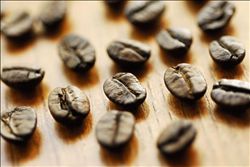
The global supply of coffee beans is tight-it does not hinder consumers' daily coffee consumption.
Although the global supply of coffee beans is really tight and the response is not obvious in price, so for consumers, the rise in the futures price of Yaxing coffee beans, which drink coffee every day, has stimulated speculative enthusiasm to some extent, but Ms. Bain still believes that if the Brazilian economy recovers in 2017-18, the price of locally produced Arabica beans will then.
Processing of coffee fruit
Coffee is the fruit of a Rubiaceae plant growing about 6000 feet above sea level, distributed on the world's narrow subtropical axis; coffee trees grow green all the year round and can grow up to 20 feet tall, and are generally controlled at 8 to 10 feet for easy harvest. It takes three to five years for the coffee tree to bear fruit. First of all, it produces small white flowers that resemble jasmine in shape and size, and then wither and bear deep fruit.

Several factors that mainly affect the taste of coffee
A cup of coffee, from the curl of aroma, extends to a variety of sour, bitter and astringent flavors, and ends with a long aftertaste, the middle taste is very subtle, and there are many reasons for this subtle taste. From a large point of view: among the factors that determine the taste of a cup of coffee: raw bean quality accounts for 60%, roasting accounts for 30%, extraction accounts for 10%. Just as there is no good.
Arabica and Rubusta
Arabica coffee (Coffee.Arabica): also known as Arabica coffee, its taxonomic position was determined by Linnaeus in 1753. It can produce Arabica coffee (C.Arabica) beans, which can be called high-quality coffee beans in the world and the only coffee that can be drunk without any ingredients. Two of the most popular Arabica coffee (C.Arabica)
Harvest and processing of Fine Coffee
Coffee is the fruit of a Rubiaceae plant growing about 6000 feet above sea level, distributed on the world's narrow subtropical axis; coffee trees grow green all the year round and can grow up to 20 feet tall, and are generally controlled at 8 to 10 feet for easy harvest. It takes three to five years for the coffee tree to bear fruit. First of all, it produces small white flowers that resemble jasmine in shape and size, and then wither and bear deep fruit.

The reason why the basic knowledge of coffee affects the taste of coffee
A cup of coffee, from the curl of aroma, extends to a variety of sour, bitter and astringent flavors, and ends with a long aftertaste, the middle taste is very subtle, and there are many reasons for this subtle taste. From a large point of view: among the factors that determine the taste of a cup of coffee: raw bean quality accounts for 60%, roasting accounts for 30%, extraction accounts for 10%. Just as there is no good.

Varieties of coffee harvested and processed
Coffee is the fruit of a Rubiaceae plant growing about 6000 feet above sea level, distributed on the world's narrow subtropical axis; coffee trees grow green all the year round and can grow up to 20 feet tall, and are generally controlled at 8 to 10 feet for easy harvest. It takes three to five years for the coffee tree to bear fruit. First of all, it produces small white flowers that resemble jasmine in shape and size, and then wither and bear deep fruit.
Processing of Fruit of Fruit of Fine Coffee
Coffee is the fruit of a Rubiaceae plant growing about 6000 feet above sea level, distributed on the world's narrow subtropical axis; coffee trees grow green all the year round and can grow up to 20 feet tall, and are generally controlled at 8 to 10 feet for easy harvest. It takes three to five years for the coffee tree to bear fruit. First of all, it produces small white flowers that resemble jasmine in shape and size, and then wither and bear deep fruit.

Yunnan coffee bean characteristic taste flavor description characteristic variety production area taste grinding scale
Yunnan coffee bean characteristic taste flavor description characteristic variety production area taste grinding scale the so-called new variety actually refers to catimor (Katimo), which is a hybrid of the timor species of the Roberta family and Arabica, which lacks rich aroma and flavor compared with the old varieties, and has a relatively shallow smell of grass and soil, but its advantages are disease resistance and easy management.

The difference between Arabica and Rubusta
Arabica coffee (transferred from www.molinarichina.com) Arabica coffee (Coffee.Arabica): Arabica coffee, also known as Arabica coffee, its taxonomic position was determined by Linnaeus in 1753. It can produce Arabica coffee (C.Arabica) beans, which can be called high-quality coffee beans in the world and the only coffee that can be drunk without any ingredients. Allah

Processing of Fruit of High-quality Coffee
Coffee is the fruit of a Rubiaceae plant growing about 6000 feet above sea level, distributed on the world's narrow subtropical axis; coffee trees grow green all the year round and can grow up to 20 feet tall, and are generally controlled at 8 to 10 feet for easy harvest. It takes three to five years for the coffee tree to bear fruit. First of all, it produces small white flowers that resemble jasmine in shape and size, and then wither and bear deep fruit.

Summary of processing methods and characteristics of Coffee Fruit
Coffee is the fruit of a Rubiaceae plant growing about 6000 feet above sea level, distributed on the world's narrow subtropical axis; coffee trees grow green all the year round and can grow up to 20 feet tall, and are generally controlled at 8 to 10 feet for easy harvest. It takes three to five years for the coffee tree to bear fruit. First of all, it produces small white flowers that resemble jasmine in shape and size, and then wither and bear deep fruit.

Summary of the processing and characteristics of Coffee Fruit
Coffee is the fruit of a Rubiaceae plant growing about 6000 feet above sea level, distributed on the world's narrow subtropical axis; coffee trees grow green all the year round and can grow up to 20 feet tall, and are generally controlled at 8 to 10 feet for easy harvest. It takes three to five years for the coffee tree to bear fruit. First of all, it produces small white flowers that resemble jasmine in shape and size, and then wither and bear deep fruit.
A Summary of the processing and characteristics of Coffee Fruit
Coffee is the fruit of a Rubiaceae plant growing about 6000 feet above sea level, distributed on the world's narrow subtropical axis; coffee trees grow green all the year round and can grow up to 20 feet tall, and are generally controlled at 8 to 10 feet for easy harvest. It takes three to five years for the coffee tree to bear fruit. First of all, it produces small white flowers that resemble jasmine in shape and size, and then wither and bear deep fruit.