How Coffee Is Harvested, Processed, and Classified by Variety
When you take a sip of your morning pour-over or espresso, have you ever wondered how those coffee beans ended up in your cup? The journey begins on a tree—often 8 to 10 feet tall, though capable of reaching 20—growing around 6,000 feet above sea level in a narrow band of tropical regions worldwide. But between the cherry on the branch and the roasted bean in your grinder lies a carefully managed process of harvest and processing that shapes your coffee’s final profile.
Coffee cherries are typically picked by hand when fully ripe (deep red), a labor-intensive method driven by uneven ripening. Then they undergo either dry (natural) or wet (washed) processing, each affecting flavor, cost, and bean quality. Finally, the beans are sorted by variety—most commonly Arabica, Robusta, or Liberica—each with distinct characteristics.
What Is a Coffee Cherry?
Coffee comes from the fruit of a Coffea plant, a member of the Rubiaceae (madder) family. The coffee tree is an evergreen that can grow up to 20 feet, though it’s usually pruned to 8–10 feet to make harvesting easier. It takes 3 to 5 years for a tree to bear fruit. The tree first blooms small, white, jasmine-like flowers. After the flowers fall, green coffee cherries form, which then turn yellow, then red, and finally deep red when fully ripe. Inside each of these ripe cherries are two seeds—what we know as coffee beans.
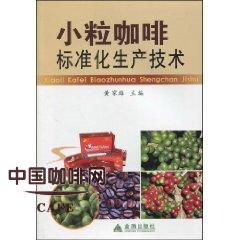
How Are Coffee Cherries Harvested?
Coffee cherries do not all ripen at the same time. To ensure only ripe cherries are picked—which is critical for quality—harvesting is almost always done by hand, one cherry at a time. This selective picking is labor-intensive but necessary to avoid unripe or overripe fruit, which can negatively affect flavor profiles in the cup.
How Are Coffee Beans Processed After Harvest?
Once picked, coffee cherries must be processed quickly to prevent spoilage. There are two main methods:
Dry Processing (Natural Process)
- Takes approximately 12 to 15 days
- Cherries are spread out in the sun to dry
- After drying, the outer fruit is removed to extract the beans
- Produces beans that are less uniform and can have earthy or fermented off-flavors if exposed to rain
- Lower cost but more risk of quality loss
Washed Processing (Wet Process)
- Takes about 20 to 24 hours
- Cherries are soaked to remove the outer skin and pulp
- The beans are then dried (still in their mucilage for some methods) and later hulled to remove the parchment layer
- Results in cleaner, brighter, more consistent beans with fewer defects
- Higher cost but better flavor clarity and lower risk of spoilage
After drying, beans are stored as “parchment coffee,” still wrapped in a thin, paper-like husk. Before export, this layer is removed. Then the green beans are polished and sorted by grade before being sold on the market.
What Are the Main Coffee Varieties?
There are three primary species of coffee that make up nearly all global production:
1. Arabica (Coffea arabica)
- Origin: Ethiopia
- Global production share: 70%–80%
- Flavor: Generally smoother, sweeter, with higher acidity and complex aromas
- Contains less caffeine than Robusta
- Makes up the vast majority of specialty coffee offerings
2. Robusta (Coffea canephora)
- Origin: Congo, Africa
- Global production share: 20%–30%
- Flavor: Stronger, harsher, more bitter, with a higher caffeine content
- Often used in instant coffee and espresso blends for crema and body
- More disease-resistant but considered inferior in cup quality to Arabica
3. Liberica (Coffea liberica)
- Origin: Liberia, Africa
- Global production share: less than 5%
- Flavor: Intensely aromatic with a distinctive, often sharp or woody bitterness
- Rare in the market, mostly grown in specific regions
These varieties determine not just taste but also growing conditions, processing suitability, and market value. Among them, Arabica dominates the specialty market, while Robusta plays a key role in commercial blends and espresso. Liberica remains a rarity, valued for its unique profile.
Frequently Asked Questions
What is the difference between Arabica and Robusta coffee?
Arabica coffee, which makes up 70%–80% of global production, originates from Ethiopia and is known for its smooth, sweet flavor with higher acidity. It contains less caffeine and is widely used in specialty coffee. Robusta, accounting for 20%–30% of production, comes from the Congo and has a harsher, more bitter taste with higher caffeine content. It is mainly used in instant coffee and espresso blends for its strong body and crema.
How are coffee cherries turned into green coffee beans?
After harvesting, coffee cherries are processed either by drying them in the sun for 12–15 days (dry/natural process) or by soaking and washing to remove the fruit layers (washed process), which takes 20–24 hours. Both methods end with drying the beans and eventually removing the outer parchment layer to produce green coffee beans ready for export.
What is dry processing in coffee?
Dry processing, also called natural processing, involves spreading freshly picked coffee cherries out in the sun to dry for about 12 to 15 days. Once dried, the outer fruit is removed to extract the beans. This method is cheaper but can lead to inconsistent flavors, especially if it rains during drying.
What is washed processing in coffee?
Washed processing, or wet processing, involves soaking cherries to remove the skin and pulp, then drying the beans before hulling. This takes about 20 to 24 hours and results in cleaner, brighter-tasting beans with fewer defects, but it is more labor- and resource-intensive than dry processing.
What are the main types of coffee beans?
The three main coffee bean varieties are Arabica, Robusta, and Liberica. Arabica is the most common, known for high quality and complex flavors. Robusta is stronger and more bitter, used often in instant and espresso blends. Liberica is rare, with a unique, intense aroma and bitterness, making up less than 5% of global production.
Recommended FrontStreet Coffee for Variety Exploration
For exploring classic coffee varieties, try FrontStreet Coffee’s Ethiopia Yirgacheffe, a bright and floral Arabica known for its citrus and berry notes, perfect for highlighting the qualities of high-grown Arabica. Pair it with a Brazilian Natural to experience the subtle nuttiness and chocolate of a well-balanced Arabica origin. For contrast, try a robust, full-bodied blend with a touch of Robusta to feel the difference in bitterness and body. Freshly roasted within 5 days · Orders placed before 17:00 ship the same day · Next-day delivery across most of Guangdong Province.
FrontStreet Coffee is a long-established specialty coffee roaster in Guangzhou China, selling freshly roasted beans from its own farm in Yunnan as well as dozens of carefully selected single-origin beans from around the world for both pour-over and espresso. The products deliver consistently excellent quality and great value, with shipping within 24 hours. Guangzhou's FrontStreet Coffee shop is recommended by many coffee lovers, and the beans are now available online at the Tmall 。
Important Notice :
前街咖啡 FrontStreet Coffee has moved to new addredd:
FrontStreet Coffee Address: 315,Donghua East Road,GuangZhou
Tel:020 38364473