
"SL"
2322 article(s) found
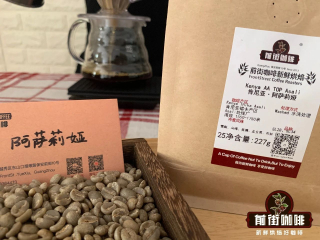
Introduction to the main producing areas of Kenyan coffee beans the flavor and taste of Kenyan K72 water-washed coffee beans
Kenya Coffee producing areas Kenya is most famous for its seven largest coffee producing areas: Thika, Kirinyaga, Mt.KenyaWest, Nyeri, Kiambu and Ruir.

The unique charm of SL28 flavor the source meaning of SL28 name
Freshly processed SL-28 and SL-34 beans. [photo: counter-cultural coffee on Flickr] genetic diversity among coffee plants is one of the most exciting coffee tasters with all stripes. Although the gene pool of Arabica coffee has become shallower and shallower outside Ethiopia, at least one type of coffee is exciting: if you don't encounter it

Kenyan SL28 and SL34 Coffee flavors describe the Regional characteristics of Kenyan Coffee producing areas
Professional coffee knowledge exchange more coffee bean information please follow coffee workshop (Wechat official account cafe_style) Kenya KENYA is located in East Africa Kenya is one of the major coffee producing countries, the country's population of more than 6 million people are engaged in the coffee industry, mostly in the form of small farmers, wet processing plants and cooperatives. Kenya coffee is mainly treated by water washing, and there are many coffee trees.

Kenya Asalia Coffee Asali Honey Treatment Plant 72 hours washing sl-28,sl-34
Professional coffee knowledge exchange More coffee bean information Please pay attention to coffee workshop (Weixin Official Accounts cafe_style) Kenya Asali TOP AA [Kenya Asali AA TOP delicate 72 hours washing] Country: Kenya Production area: Thika processing plant: Asali honey processing plant Elevation: 15501750 meters Soil: volcanic soil classification: AA TOP species: sl-28,

Kenyan Jinchu Coffee
The Kenyan coffee variety was first brought to Kenya to be planted in Bourbon bourbon. In the 1950s, through unremitting efforts, the then agricultural research institution ScottLaboratory selected two excellent hybrids, SL-28 and SL-34, subverting the long-standing prejudice that artificial breeding varieties are not excellent natural varieties. SL-28 and SL-34 help Kenyan coffee

What are the varieties of Kenyan coffee beans SL28 and SL34? Why are Kenya AA coffee beans so sour?
Professional coffee knowledge exchange more coffee bean information Please follow Coffee Workshop (Wechat official account cafe_style) located in East Africa Kenya is one of the major coffee producing countries. More than 6 million people in the country are engaged in the coffee industry, mostly in the form of a combination of small farmers and cooperatives. Coffee trees in Kenya are mostly planted at 1400-2000 meters above sea level, and the growth areas include Ruiri and Thi.
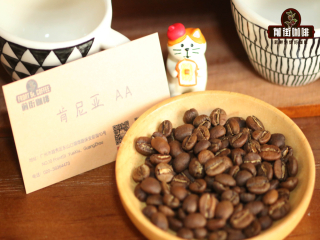
Flavor and taste characteristics of Kenyan coffee beans | introduction to SL28 history and flavor brewing methods of coffee varieties
Sour, clean and beautiful, I believe most coffee lovers will think so when they drink Kenyan coffee. High quality acidity is the backbone and soul of Kenyan coffee. Kenyan coffee is sour and full, covering 29 flavors, including plum, blackcurrant, citrus, lime and grapefruit. One of the most famous is when

The varieties and characteristics of Kenya Future Star SL28 and SL34? What is the planting history?
Professional coffee knowledge exchange more coffee bean information please follow the coffee workshop (Wechat official account cafe_style) Kenya future stars SL28 and SL34 varieties and characteristics? What is the planting history? Series: bourbon Series name: Jiadu Lili AA Variety: SL28 SL34 treatment: washing altitude: 1800 m production area / Manor: Kenya-Neri Jiatuli

What is a washing SL28/SL34? Introduction of Kenya Kanak treatment Plant
Professional coffee knowledge exchange more coffee bean information please follow the coffee workshop (Wechat official account cafe_style) the coffee-producing areas of Kenya are mainly concentrated in the plateau areas represented by Mount Mt.Kenya. Tropical climate, acid red volcanic soil provides a natural and suitable growth environment for coffee. It is most famous for its seven major producing areas, including Neri, Sika and Qianbu.

What is the planting environment of SL28 SL34 variety in AA Wonder Land in Kenya? What level?
Professional coffee knowledge exchange more coffee bean information please follow the coffee workshop (Wechat official account cafe_style) Kenya AA Wonderland SL28 SL34 planting environment Kenya is a model country for the production of quality coffee beans, coffee was introduced from the United Kingdom in 1900, coffee tree species only traditional Arabica until 1950 there is now Kenya's best SL28 and SL34

Kenya AA TOP Neri FCS| Osaya Cooperative Kamoko Sweet Potato Washing Plant SL
Professional coffee knowledge exchange More coffee bean information Please pay attention to coffee workshop (Weixin Official Accounts cafe_style) Kenya AA TOP Neri production area FCS| Osaya Cooperative Kamoko Sweet Potato Washing Plant SL28, SL34 Flavor? Kenya, located in East Africa, is one of the major coffee producing countries with more than six million people engaged in the coffee industry, mostly small farmers and cooperatives.
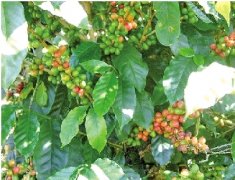
Kenyan boutique coffee Jiatugi processing plant in Kenya Nyeri producing area
There are many producing areas in Kenya that strive to preserve the native forest ecosystem, protect the natural gene pool, support the reproduction of wild coffee varieties and breed a variety of coffee trees. In 1930, the unique varieties of SL28 and SL34 in Kenya, which were cultivated and named by Scott Laboratories laboratory, were born in such a good environment. According to botanists in SL laboratory, SL28 and SL34 are
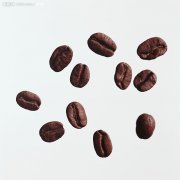
Kenyan National Coffee Fruit Sour Coffee Fruit Coffee AA AB Grade Coffee
According to botanists in SL laboratory, SL28 and SL34 are genetic variants. Among them, SL28 has a mixed pedigree of French missionaries, mochas and Yemens Tibica. The goal of cultivating SL28 was to mass produce coffee beans with high quality and resistance to diseases and insect pests. Although the later production of SL28 was not as large as expected, copper leaves and broad bean-shaped beans were very popular.
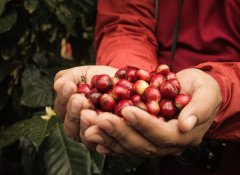
Kenyan coffee beans graded boutique coffee beans classified Kenyan coffee flavor
According to botanists in SL laboratory, SL28 and SL34 are genetic variants. Among them, SL28 has a mixed pedigree of French missionaries, mochas and Yemens Tibica. The goal of cultivating SL28 was to mass produce coffee beans with high quality and resistance to diseases and insect pests. Although the later production of SL28 was not as large as expected, copper leaves and broad bean-shaped beans were very popular.

Kenya Nyeri producing area Jia Tuji Gatugi processing plant African coffee flavor
According to SL Laboratory botanists, SL28 and SL34 are genetic variants. Among them, SL28 has a mixed lineage of French missionaries, mocha and Yemeni tibica. SL28 was bred to produce high quality, pest resistant coffee beans in large quantities. Although SL28 did not yield as much as expected, copper leaf color and broad bean-like beans were very good.

Kenya AA coffee beans Nyeri Jiatugi processing plant African boutique coffee beans
According to botanists in SL laboratory, SL28 and SL34 are genetic variants. Among them, SL28 has a mixed pedigree of French missionaries, mochas and Yemens Tibica. The goal of cultivating SL28 was to mass produce coffee beans with high quality and resistance to diseases and insect pests. Although the later production of SL28 was not as large as expected, copper leaves and broad bean-shaped beans were very popular.

Water washing grade AA of Jiatugi treatment plant in Nyeri production area of Kenya
According to botanists in SL laboratory, SL28 and SL34 are genetic variants. Among them, SL28 has a mixed pedigree of French missionaries, mochas and Yemens Tibica. The goal of cultivating SL28 was to mass produce coffee beans with high quality and resistance to diseases and insect pests. Although the later production of SL28 was not as large as expected, copper leaves and broad bean-shaped beans were very popular.
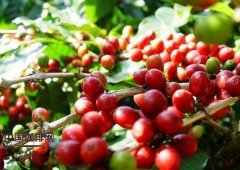
Kenyan Coffee Flavor of Jiatugi processing Plant in Nyeri production area of Kenya
According to botanists in SL laboratory, SL28 and SL34 are genetic variants. Among them, SL28 has a mixed pedigree of French missionaries, mochas and Yemens Tibica. The goal of cultivating SL28 was to mass produce coffee beans with high quality and resistance to diseases and insect pests. Although the later production of SL28 was not as large as expected, copper leaves and broad bean-shaped beans were very popular.
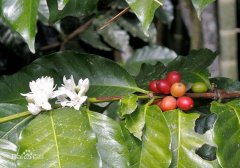
Nyeri Central Dashan area of Jiatugi processing Plant in Nyeri production area of Kenya
According to botanists in SL laboratory, SL28 and SL34 are genetic variants. Among them, SL28 has a mixed pedigree of French missionaries, mochas and Yemens Tibica. The goal of cultivating SL28 was to mass produce coffee beans with high quality and resistance to diseases and insect pests. Although the later production of SL28 was not as large as expected, copper leaves and broad bean-shaped beans were very popular.
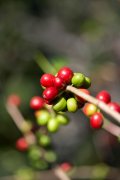
Washing AA quality coffee beans from Jiatugi treatment plant in Nyeri production area of Kenya
According to botanists in SL laboratory, SL28 and SL34 are genetic variants. Among them, SL28 has a mixed pedigree of French missionaries, mochas and Yemens Tibica. The goal of cultivating SL28 was to mass produce coffee beans with high quality and resistance to diseases and insect pests. Although the later production of SL28 was not as large as expected, copper leaves and broad bean-shaped beans were very popular.