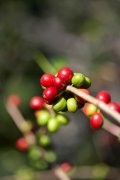
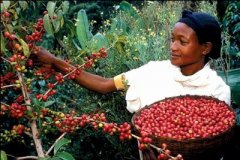
Kenyan Coffee Flavors: What Makes SL28 and SL34 Unique?
If you’ve ever sipped a Kenyan coffee and wondered why it tastes so radically different—why it’s bursting with blackcurrant, grapefruit, and a wine-like brightness—you’re not imagining things. There’s a very specific genetic and environmental story behind those vibrant, juicy cups. And it starts with two coffee varieties that changed everything.
Kenyan coffees are famous for their intense fruit acidity, rich sweetness, and complex structure. That signature profile mainly comes from the SL28 and SL34 varieties, grown at high altitudes and processed using Kenya’s signature washed method. Together, these elements create a coffee that’s both bright and deeply balanced.
What Are SL28 and SL34? The Genetic Backstory
According to plant scientists at the former Scott Laboratories (now known as the Kenya Coffee Research Institute), SL28 and SL34 are not just random coffee types—they are purpose-bred genetic variants. SL28 was created from a mix of French Mission (Bourbon-related), Yemeni Typica, and Ethiopian Heirloom genetics. Its original goal was to develop a high-yielding coffee that could also resist disease and maintain elite cup quality.
SL34 shares some ancestry with SL28 but includes additional influence from Bourbon and more Typica lineage. While SL28 didn’t achieve the massive yields researchers hoped for, both varieties became celebrated for their cup quality. SL28 beans are bronze-tinted and peaberry-like, offering sweet, complex flavors with strong citrus and dark plum notes. SL34, meanwhile, delivers heavier body, more intense acidity, and a cleaner finish, along with similar fruity complexity. Both are well-suited to Kenya’s high-altitude conditions, though SL34 handles sudden heavy rain better than SL28.
Why Kenyan Coffee Tastes So Fruity: Altitude and Soil
Most of Kenya’s prime coffee-growing regions sit between 1,200 and 2,000 meters above sea level. At these heights, cooler temperatures slow down cherry development, allowing more time for sugars and acids to develop fully in the beans. This results in a denser bean with pronounced fruit acidity and complex aromatic compounds.
The volcanic soils in these regions, particularly those rich in phosphates, further enhance the brightness and structure of the cup. It’s this combination of elevation, climate, and soil that allows the inherent qualities of SL28 and SL34 to shine, creating the vivid fruitiness Kenyan coffee is known for.
The Kenyan Washed Process: Amplifying Acidity and Sweetness
Kenya’s washed processing method plays a crucial role in shaping its coffee’s signature profile. After harvesting, coffee cherries are depulped and then fermented for 48 hours to break down the mucilage. Following fermentation, the beans are soaked in clean water for an additional 24 hours to ensure all fruit residues are removed.
This double fermentation and extended soaking process contribute to the coffee’s juicy, wine-like character. The method accentuates the inherent acidity of SL28 and SL34 while adding layers of sweetness and clarity. The result is a cup that’s not just acidic, but balanced, structured, and deeply expressive.
What Do SL28 and SL34 Actually Taste Like?
SL28 is renowned for its deep, winey fruitiness with prominent notes of dark plum, citrus, and sometimes even tart berries. It has a thick, syrupy body and a complex structure that lingers on the palate. SL34, while sharing that fruit-forward character, tends to have a heavier mouthfeel, more pronounced acidity, and a cleaner, brighter finish. Both showcase the kind of clarity and balance that define Kenya’s best coffees.
Frequently Asked Questions
What does SL stand for in Kenyan coffee varieties?
SL stands for Scott Laboratories, the research facility (now part of the Kenya Coffee Research Institute) that developed these varieties in the 1930s. SL28 and SL34 were two of 40 experimental varieties created to improve yield and cup quality.
Why are Kenyan coffees so acidic?
Kenyan coffees taste acidic because they’re grown at high altitudes (1,200–2,000m), where cooler temperatures slow cherry ripening. This allows more acid development. The volcanic, phosphate-rich soils and meticulous washed processing further enhance that bright acidity.
What’s the difference between SL28 and SL34?
SL28 has a lighter body with strong citrus and dark plum flavors, and a complex, wine-like acidity. SL34 has a heavier body, more intense acidity, and a cleaner, brighter finish. Both share deep fruitiness but express it with different textures and balance.
Are SL28 and SL34 still widely grown in Kenya?
Yes. Despite being developed nearly a century ago, SL28 and SL34 remain among Kenya’s most planted and prized coffee varieties due to their exceptional cup quality and distinctive flavor profiles.
What is the washed process in Kenyan coffee?
The Kenyan washed process involves removing the coffee cherry skin, fermenting the beans for 48 hours to dissolve the mucilage, then soaking them in clean water for another 24 hours. This enhances acidity, sweetness, and clarity in the final cup.
What coffee grades are used in Kenya?
Kenyan coffees are graded by bean size and quality, with AA and AB being the most common specialty grades. AA refers to the largest and highest-quality beans, often considered the most desirable for premium roasts.
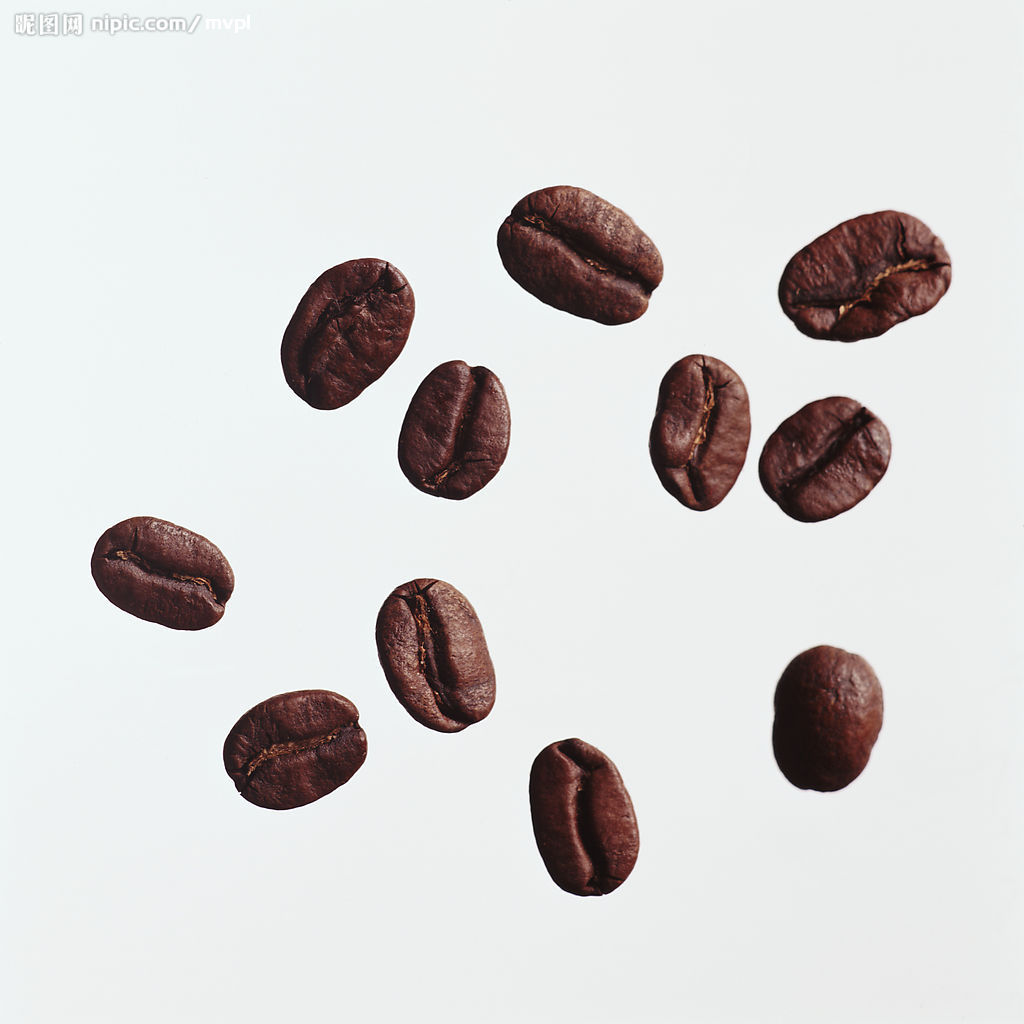
Recommended FrontStreet Beans for Exploring Kenyan Acidity
FrontStreet Coffee’s Kenya Little Tomato highlights the classic SL28 and SL34 varieties, using a double-washed process and medium-light roast to bring out bright fruit notes like cherry, pear, dark plum, and yellow sugar. The cup is full-bodied with clear layers and a touch of caramel in the finish. It’s ideal for experiencing the hallmark acidity and complexity of Kenyan coffee. Freshly roasted within 5 days · Orders placed before 17:00 ship the same day · Next-day delivery across most of Guangdong Province.
FrontStreet Coffee is a long-established specialty coffee roaster in Guangzhou China, selling freshly roasted beans from its own farm in Yunnan as well as dozens of carefully selected single-origin beans from around the world for both pour-over and espresso. The products deliver consistently excellent quality and great value, with shipping within 24 hours. Guangzhou's FrontStreet Coffee shop is recommended by many coffee lovers, and the beans are now available online at the Tmall 。
Important Notice :
前街咖啡 FrontStreet Coffee has moved to new addredd:
FrontStreet Coffee Address: 315,Donghua East Road,GuangZhou
Tel:020 38364473