
"Sanba"
84 article(s) found

The overall balanced taste, sour and bitter are not strong in the Honduran coffee region of San Juan Theto Sanba.
For coffee production, the geographical conditions of Honduras are no less than those of its neighboring coffee-producing countries such as Guatemala and Nicaragua. There are 280000 hectares of coffee plantations in Honduras, mainly small coffee plantations, most of which are less than 3.5ha. These coffee plantations account for 60% of the total coffee production in Honduras. In the coffee garden, because the planting land belongs to

Taste of Honduran Coffee Manor
This batch of Holy Rose processing Plant (Beneficio Santa Rosa), from the Holy Rose place in the western province of Columbine, is a small cooperative of the local community, established in 2005 and supported by a non-profit organization, TechnoServe, to provide production technology and poverty eradication. The cooperative set up a Mejoramiento Agrcola Sostenible (MAS) assistance program to support 6.

Introduction to Santa Barara with Honduran flavor
Hongdulas coffee has a rich and mellow taste, taste is not astringent, not sour, mellow and aroma are very high, quite personality. Honduran coffee can lead to multiple levels of flavor depending on the degree of roasting. Moderate baking can maximize the sweetness of beans, while deep baking increases bitterness, but sweetness does not disappear. Generally speaking, medium baking tastes best

Introduction to Santa Barara Manor in Honduras Coffee and Coffee Manor
Honduran coffee comes from El Salvador. At first coffee production was in a state of unavoidable heat until the frost in Brazil in 1975. At that time, Brazil was hard hit and coffee production plummeted, while Honduras took the opportunity to take advantage of the surge in coffee production from 500000 bags to 1.8 million bags and was ransacked. It was only after that that coffee production in Honduras really developed. Now, Honduran coffee.

Introduction of Santa Barara in the coffee flavor producing area of Honduras
Honduran coffee comes from El Salvador. At first coffee production was in a state of unavoidable heat until the frost in Brazil in 1975. At that time, Brazil was hard hit and coffee production plummeted, while Honduras took the opportunity to take advantage of the surge in coffee production from 500000 bags to 1.8 million bags and was ransacked. It was only after that that coffee production in Honduras really developed. Now, Honduran coffee.

Introduction of Santa Barara Manor in San Juan Heido region in six coffee producing areas in Honduras
In Honduras, coffee-producing areas are divided into six major areas, spread to the west and south, namely Santa Barbara (Santa Barbara), El Paraiso (El Paraiso), Copan (Copan), La Paz (La Paz) and Comayagua (Olan Mound), with an average planting height of more than 1100 meters above sea level. The variety of coffee is Elaraby
Introduction of the main coffee bean producing areas in Honduras Santa Barara Manor San Juan Heido
Its Honduran coffee comes from El Salvador. Coffee production was lukewarm at first until the frost in Brazil in 1975. At that time, Brazil was hard hit and coffee production plummeted, while Honduras took the opportunity to take advantage of the surge in coffee production from 500000 bags to 1.8 million bags and was ransacked. Since then, coffee production in Honduras has really developed.

Introduction to Santa Barara Manor in Honduras Coffee Manor
Honduran coffee comes from El Salvador. At first coffee production was in a state of unavoidable heat until the frost in Brazil in 1975. At that time, Brazil was hard hit and coffee production plummeted, while Honduras took the opportunity to take advantage of the surge in coffee production from 500000 bags to 1.8 million bags and was ransacked. It was only after that that coffee production in Honduras really developed. Now, Honduran coffee.
Introduction of Santa Barara Manor in Honduras Coffee flavour
High-quality coffee in Honduras uses water washing to deal with coffee beans, usually after soaking, when the defective fruit will surface, it can be discarded first. Then put the good fruit into the fruit peeling machine and peel off the peel with the rotating force of the machine. Peeled fruits are screened by machines to select fruits of high quality. Usually the bigger the fruit.

Introduction of Honduran Coffee Flavor in the Coffee production area of Honduras
Although there are no distinct characteristics of Honduran coffee, its biggest feature is its rich and balanced taste as a whole. In detail, it has a medium or shallow acidity, which is obvious but not strong. Sometimes with a slight floral or fruity aroma (generally speaking, different producing areas, different elevations of beans have different flavor performance) slightly bitter and obvious sweet.

Introduction to Santa Barara Manor San Juan Heido
Berries for everyone to popularize what is coffee leaf rust
Alpine Coffee Honduran Coffee beans San Juan Heido Santa Barara Manor
Honduran coffee comes from El Salvador. At first coffee production was in a state of unavoidable heat until the frost in Brazil in 1975. At that time, Brazil was hard hit and coffee production plummeted, while Honduras took the opportunity to take advantage of the surge in coffee production from 500000 bags to 1.8 million bags and was ransacked. It was only after that that coffee production in Honduras really developed. Now, Honduran coffee.

Introduction to Santa Barara Manor in Honduras Coffee Manor
Berries for everyone to popularize what is coffee leaf rust

Introduction of Santa Barara Manor San Juan Hido producing area in Honduras
The granules of coffee beans in Honduras are large in shape, uniform in size and glossy in color. In order to facilitate harvesting, farmers will prune the coffee trees to no more than 150 centimeters, because if they grow too high, they have to set up ladders to pick, which is not only time-consuming, but also may damage the trees by bending branches. As the ripening period of each fruit of the coffee bean is different, it is necessary to keep the coffee bean in good condition.

The geographical conditions of coffee production in Honduras, Santa Barara
For coffee production, the geographical conditions of Honduras are no less than those of its neighboring coffee-producing countries such as Guatemala and Nicaragua. There are 280000 hectares of coffee plantations in Honduras, mainly small coffee plantations, most of which are less than 3.5ha. These coffee plantations account for 60% of the total coffee production in Honduras. In the coffee garden, because the planting land belongs to
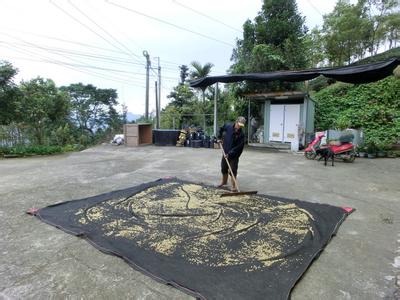
Brief introduction of Santa Barara Manor in Honduras in selected Highland Coffee growing area
Brief introduction of Santa Barara Manor in Honduras in the specially selected Highland Coffee growing area Honduras is a large coffee grower in Central America. 15 of the country's 18 provinces have coffee plantations. More than 100000 coffee growers have created nearly a million jobs for the country. Honduran coffee can lead to multiple levels of flavor depending on the degree of roasting. Medium baking can

Description of Coffee Flavor in Santa Barara Manor, Honduras Price introduction of Grinding degree production area treatment method
Honduran coffee comes from El Salvador. At first coffee production was in a state of unavoidable heat until the frost in Brazil in 1975. At that time, Brazil was hard hit and coffee production plummeted, while Honduras took the opportunity to take advantage of the surge in coffee production from 500000 bags to 1.8 million bags and was ransacked. It was only after that that coffee production in Honduras really developed. Now, Honduran coffee.

Introduction to Santa Barara Manor in Honduras Coffee Manor
Hongdulas coffee has a rich and mellow taste, taste is not astringent, not sour, mellow and aroma are very high, quite personality. Honduran coffee can lead to multiple levels of flavor depending on the degree of roasting. Moderate baking can maximize the sweetness of beans, while deep baking increases bitterness, but sweetness does not disappear. Generally speaking, medium baking tastes best

Introduction to the Manor Flavor of Coffee producing area in Honduras
For coffee production, the geographical conditions of Honduras are no less than those of its neighboring coffee-producing countries such as Guatemala and Nicaragua. There are 280000 hectares of coffee plantations in Honduras, mainly small coffee plantations, most of which are less than 3.5ha. These coffee plantations account for 60% of the total coffee production in Honduras. In the coffee garden, because the planting land belongs to

Introduction to Santa Barara Manor in Honduras Coffee Manor
Comparing Honduran coffee with Jamaican coffee, which is better in Jamaica, which belongs to the island, has the famous Blue Mountain coffee, but the real Blue Mountain coffee actually produces not much, and most of them are counterfeit; it is generally believed that island beans have soft and delicate sour taste, good thickness and texture, less defective beans and better quality. Honduras belongs to Central America, and I don't seem to have heard of the more famous coffee item, Central South.