
"Sanhe"
224 article(s) found

Introduction to Costa Rican Fenghuang Coffee treated by washing
Costa Rica mostly uses water washing treatment, and in recent years there has also been an alternative half-sun treatment (Miel) or Honey Coffee, which can be translated as sweet as honey treatment. The coffee that Costa Rica boasts is as sweet as honey, but it is quite eye-catching when it is Honey Coffee on the sacks. It has improved the Brazilian half-sun method to increase sweetness, with the emphasis on keeping the sticky beans as intact as possible.

Costa Rica Phoenix Manor Coffee Variety Flavor Taste Boutique Coffee Bean Introduction
Coffee beans related industries, Costa Ricans say, coffee has changed the country, can enjoy a rich environment, coffee indeed outstanding contribution; although Costa Rica's land area is the third lowest in Central America, but the economic environment is better than half of the countries, but also because of the rich people, social stability, but also spare energy to care about environmental issues, Costa Rica has more than 30 national parks. in 1729

Flavor description of Tarazhu Coffee beans in Costa Rica introduction of Grinding scale varieties in Manor production area
Costa Rican Tarazu Coffee Bean Flavor description the variety of grinding scale in Costa Rica is mostly washed, and in recent years there has been an alternative half-sun treatment (Miel) or (Honey Coffee), which can be translated as sweet as honey. Costa Rican coffee, which boasts that it is as sweet as honey, is Honey Coffee on the sack, which is quite robbed.

Chocolate bitter Costa Rican Diamond Hill boutique coffee beans cultivation geographical location climate sea
LaMinitaTarrazu coffee is a famous local product, but its production is limited, about 72600 kilograms a year. It is grown on a piece of land called LaMinita, which is owned by nearly three generations of the McAlpine family in the UK. In fact, this land can produce more than 450 tons of coffee a year. But the species of Tarasu Latin American coffee

Costa Rican Tarazu Coffee Bean Flavor description method Variety characteristics and taste introduction
Costa Rican coffee beans Gome established diplomatic relations in 1851. The two countries have close relations and frequent exchanges of high-level visits. The United States is Colombia's largest trading partner. In 2007, Colombia exported 1.142 billion US dollars to the United States and imported 2.865 billion US dollars from the United States. The United States has always regarded Colombia as a model for democracy in Latin American countries and provided a lot of economic assistance. The two sides have maintained close cooperation in anti-terrorism, drug control, military and other fields. The United States has Latin America in Colombia.

Introduction of Raminita Farm in Tarazhu producing area of Costa Rican Coffee
Following Cafe (official Wechat account vdailycom) found that Fairview Cafe opened a small shop of its own. Costa Rica's coffee industry started early, with the first coffee exported to Colombia and Chile in 1820. In 1854, an importer and exporter, with the assistance of William, captain of the British Merchant ship, successfully shipped 100 pounds of coffee to London, which became popular and was praised by British aristocrats as coming from

A brief introduction to the planting market price of chocolate-scented Costa Rican Diamond Mountain coffee beans
The strict management of Laminita Farm in Tarazhu production area has established a world-class reputation and is popular in European and American markets for most of the century. It can be called a world-famous coffee farm. Lamini Tower means a small gold mine. Before the Spanish colonization, the Indians used to dig gold in the present farm location, which can be described as a blessed land. Raminita produces about 1 million pounds of coffee beans a year.

Costa coffee bean processing method
Costa Rica is located in the Central American isthmus, 10 north latitude, 84 west longitude. It faces the Caribbean Sea to the east and the North Pacific Ocean to the west. Costa Rica is located in the volcanic belt of the low latitudes of Central America, the central plateau and mountains are about 800 to 2000 meters above sea level, suitable for coffee growth. Costa Rican coffee has always been famous for its well-balanced, clean, clear and berry-flavored fruit acid. Excellent Costa Rica

Costa Rica time Costa Rica Tarazu Coffee Tarazu
Costa Rica is located in the Central American isthmus, 10 north latitude, 84 west longitude. It faces the Caribbean Sea to the east and the North Pacific Ocean to the west. Costa Rica is located in the volcanic belt of the low latitudes of Central America, the central plateau and mountains are about 800 to 2000 meters above sea level, suitable for coffee growth. Costa Rican coffee has always been famous for its well-balanced, clean, clear and berry-flavored fruit acid. Excellent Costa Rica
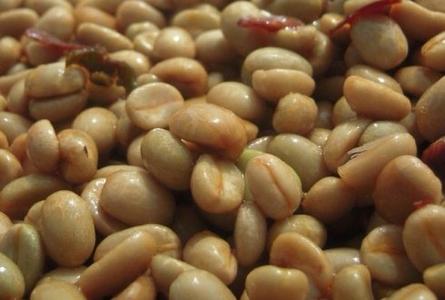
Costa Rican Tarazhu coffee beans with an annual output of only 160000 pounds
With an annual output of only 160000 pounds, Costa Rica Tarazu coffee beans taste: bright and varied smooth acidity, with citrus, berries, raspberries, etc., which softens and brings sweetness after the entrance, such as caramel-like thick Body, sweet hazelnut, sweet spices, fudge, stiff flowers and cool flowers in the nose, melons, almonds, sweet lime, sun-dried water.

Costa Rican coffee beans at La Minita Manor in Tarazu District are as sweet as honey.
The strict management of Laminita Farm in Tarazhu production area has established a world-class reputation and is popular in European and American markets for most of the century. It can be called a world-famous coffee farm. Lamini Tower means a small gold mine. Before the Spanish colonization, the Indians used to dig gold in the present farm location, which can be described as a blessed land. Raminita produces about 1 million pounds of coffee beans a year.

Fresh and rich Costa Rican Phoenix Manor Fine Coffee Bean Cultivation Location Climate
One of the most notable is Costa Rican Tarrazu, produced in the Tarrazu region near the capital San José. The production area benefits from the warm and humid air flow of the Pacific Ocean, has obvious dry and wet seasons, and the weakly acidic volcanic soil is rich in organic matter, which creates good conditions for the root development of coffee plants. The production area is 900-1600 meters above sea level, 80% of which are located at 1000-1400 meters. This coffee has its

Costa Rican coffee flavor, characteristics of Costa Rican coffee beans
Following Cafe Review (Wechat official account vdailycom) found that the coffee flavor of Costa Rica is always steady, without the sharpness of Guatemala, it is quite mild and supple, and the sour, sweet and bitter chocolate aromas are well balanced, making it the classic flavor of gourmet coffee. The seven major coffee producing areas are as follows: Turialva Valley, Central

Excelsior Costa Rica coffee beans are strictly guarded
Costa Rican coffee flavor has always been stable, without the sharpness of Guatemala, the drink is quite mild and supple, sour, sweet and chocolate bitter aroma, extremely balanced, is the classic flavor of gourmet coffee. The seven major coffee producing areas are as follows: the Turialva Valley, the Central Valley, the Western Valley, the three Rivers region, Brunka, Orosi, and Tarasu. Among them, the Central Valley,

Excelsior-- Costa Rican coffee beans are strictly guarded
Costa Rican coffee flavor has always been stable, without the sharpness of Guatemala, the drink is quite mild and supple, sour, sweet and chocolate bitter aroma, extremely balanced, is the classic flavor of gourmet coffee. The seven major coffee producing areas are as follows: the Turialva Valley, the Central Valley, the Western Valley, the three Rivers region, Brunka, Orosi, and Tarasu. Among them, the Central Valley,

Costa Rican Saint Roman Coffee Flavor description characteristics production area treatment Variety Manor introduction
Costa Rica Saint Roman Coffee Flavor description characteristics production area treatment Variety Manor introduction name: Costa Rica Tara Pearl Costa Rica Tarrazu SHB country: Costa Rica production area: Tara Pearl Tarrazu Manor: jaguar Manor El Puma Estate Grade: SHB/EP treatment method: washing fermentation, later drying baking degree: medium roasting Costa Rica

Costa Rican Coffee Flavor description Environment introduction of Costa Rican coffee
Costa Rican coffee flavor has always been stable, without the sharpness of Guatemala, the drink is quite mild and supple, sour, sweet and chocolate bitter aroma, extremely balanced, is the classic flavor of gourmet coffee. The seven major coffee producing areas are as follows: the Turialva Valley, the Central Valley, the Western Valley, the three Rivers region, Brunka, Orosi, and Tarasu. Among them, the Central Valley,

A brief introduction to the flavor, taste and aroma characteristics of Costa Rican boutique coffee Yersalo Coffee Manor
Costa Rican Coffee-Tarrazu in Costa Rica is one of the major coffee producers in the world, with a light and pleasant flavor. Costa Rica, with its fertile volcanic soil and good drainage, is the first country in Central America to grow coffee and bananas for commercial value. Coffee and bananas are the country's main exports. 1729

Costa Rica Tara Beads Coffee Laminita Floral Flavor Description Taste Origin
Although Bill McAlpine is concerned about social and environmental issues, he insists he is just a pragmatist. He treats his employees well because business is doing well. He sniffs at fair trade coffee. He thinks it makes no sense for people to buy fair trade coffee to atone for their sins.

Introduction of Coffee Flavor description, Grinding scale and Variety treatment method in Diamond Mountain Manor, Costa Rica
Costa Rican Diamond Hill Manor Coffee Flavor description Grinding scale Variety treatment method introduces Costa Rican coffee with full particles, ideal acidity and unique strong flavor. The coffee industry in Costa Rica, originally controlled by the Costa Rican Coffee Industry Company (InstitutodelCafdeCostaRica, ICAFE), is now under the control of the official Coffee Committee (OficinadelCaf)