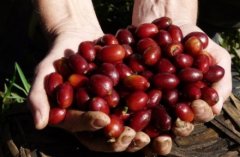
How Strictly Does Costa Rica Grade Its Specialty Coffee Beans?
When you buy a bag labeled 'Costa Rica Tarrazú' or 'Costa Rica Honey Process,' how do you know it’s the real deal? With global demand for consistent, high-quality coffee rising, many buyers assume all Costa Rican beans meet the same high bar—but that’s not always true. Some producers outside premium zones slap famous names on their bags, and low-grade lots sometimes sneak into the supply chain. If you care about origin integrity and flavor precision, knowing how Costa Rica actually regulates its coffee is essential.
The short answer: extremely strictly. Top estates like La Minita reject over 70% of harvested beans, keeping just the finest 290,000 pounds for the specialty market out of one million pounds grown. That level of culling defines the country’s reputation for balance, sweetness, and clean acidity.
Why Costa Rica’s Coffee Tastes So Consistently Good
Costa Rican coffee is known for its smooth, well-rounded profile—less sharp than Guatemalan coffees, yet vibrant with bright acidity, sweet fruit notes, and subtle chocolate undertones. This balance comes from precise growing conditions, careful variety selection, and tightly controlled processing methods. Unlike some origins where quality varies wildly by farm, Costa Rica enforces rigorous national standards that elevate the baseline for every lot.
The Seven Key Coffee Regions—and Which Stand Out
Costa Rica has seven main coffee-growing regions: Turrialba Valley, Central Valley, West Valley, Tres Ríos, Brunca, Orosi, and Tarrazú. Among these, Central Valley, Tarrazú, and Tres Ríos are the most celebrated. Generally, slopes facing the Pacific Ocean produce higher-quality beans than those facing the Atlantic. In the 2007 Costa Rica 'Cup of Excellence' competition, the winning farm, Cerro Bardo, was located in Tarrazú near San José, with Central Valley (specifically Naranjo) placing second to fourth. Tres Ríos, despite its reputation, received less recognition.
La Minita: The Global Benchmark for Quality Control
Tarrazú is home to La Minita, one of the most famous coffee farms in the world. Its name means 'little gold mine,' a nod to the area’s history of indigenous gold mining before Spanish colonization. La Minita produces around one million pounds of coffee annually but rigorously culls more than 70% of the harvest, selling just 290,000 pounds to the specialty market. This strict selection process has built its reputation over decades in North American and European markets. The estate’s coffee is renowned for its apple and citrus acidity, creamy milk-and-truffle body, and silky mouthfeel. The farm sits at elevations between 1,200 and 1,700 meters, where cool temperatures and volcanic soils create ideal growing conditions.
What Makes Tres Ríos Unique—and Hard to Find
Tres Ríos, located near the Irazú Volcano east of the capital, is another historically significant region. Its coffee is known for bright, gentle acidity paired with nutty, floral, and toffee-like sweetness. However, urban sprawl has reduced available farmland, and much of the remaining production is bought up by Starbucks, making it scarce on the open market. One standout farm, Agrícola Aguas Claras (also known as Aquatec or historically Aguirre), has operated since 1857 and remains a benchmark for the region’s delicate yet complex cup profile.
How Costa Rica Perfects Processing—and Why It Matters
Costa Rican coffee growers are highly skilled in cultivation, but they’re equally respected for their processing techniques. Though the country originally relied on traditional washed processing, water shortages led to innovations like the 'miel' or honey process. This method, unique to Costa Rica, involves removing the coffee cherry skin and pulp but leaving most of the sticky mucilage (fruit pulp layer) on the beans during drying. The result is a sweeter, more complex cup with pronounced fruit notes. The degree of mucilage left on the bean determines the honey type: Black Honey (most mucilage, longest drying), Red Honey, Yellow Honey, and White Honey (least mucilage). This innovation has become a key part of Costa Rica’s flavor identity and a model for other producing countries.

Frequently Asked Questions
Which Costa Rican coffee region is considered the best?
The most renowned regions are Central Valley, Tarrazú, and Tres Ríos. Tarrazú, in particular, is known for producing some of the country’s most balanced and sought-after coffees, often with bright acidity and a smooth, structured body. Farms like La Minita have set global benchmarks from this zone.
What does 'honey process' mean in Costa Rica?
Honey process, or 'miel' in Spanish, refers to a method where the coffee cherry's skin and pulp are removed, but most of the mucilage (a sugary fruit layer) is left on the beans during drying. This technique, pioneered and perfected in Costa Rica, results in a sweeter cup with enhanced fruitiness. The style is categorized into Black, Red, Yellow, and White Honey, depending on how much mucilage is retained.
How strictly are Costa Rican coffee beans graded?
Very strictly. Top farms, such as La Minita in Tarrazú, reject over 70% of their harvested beans, keeping only the highest-quality lots for export to the specialty market. This rigorous selection ensures consistency and high cup quality, reinforcing Costa Rica’s reputation in the specialty coffee industry.
Why is Tres Ríos coffee hard to find?
Tres Ríos has seen a decline in coffee production due to urban expansion and land being sold for development. Much of the remaining high-quality output is purchased by large buyers like Starbucks, limiting availability to other markets. The region is still known for its sweet, floral, and nutty profiles but is less accessible than others.
What’s the role of altitude in Costa Rican coffee quality?
Altitude plays a major role. Most specialty coffee in Costa Rica is grown between 1,200 and 1,700 meters, where cooler temperatures slow ripening, allowing sugars to develop fully. This contributes to the bright acidity, complex flavors, and dense bean structure characteristic of the country’s best lots.
Recommended FrontStreet Coffee Beans from Costa Rica
For fans of Costa Rica’s signature sweetness and balanced profile, try FrontStreet Coffee’s Costa Rica Blackberry—a honey process coffee using black honey, with intense dried berry notes, deep sweetness, and a velvety mouthfeel from extended sun-drying. For something different, FrontStreet Mozart offers a grapefruit-forward cup with raisin, rose, and vinous tones thanks to its unique raisin honey process. Both beans highlight the precision and fruit-forward complexity Costa Rica is known for. Freshly roasted within 5 days · Orders placed before 17:00 ship the same day · Next-day delivery across most of Guangdong Province.
FrontStreet Coffee is a long-established specialty coffee roaster in Guangzhou China, selling freshly roasted beans from its own farm in Yunnan as well as dozens of carefully selected single-origin beans from around the world for both pour-over and espresso. The products deliver consistently excellent quality and great value, with shipping within 24 hours. Guangzhou's FrontStreet Coffee shop is recommended by many coffee lovers, and the beans are now available online at the Tmall 。
Important Notice :
前街咖啡 FrontStreet Coffee has moved to new addredd:
FrontStreet Coffee Address: 315,Donghua East Road,GuangZhou
Tel:020 38364473