
"Smuggling"
202 article(s) found

Current situation of coffee sales in Tanzania | African coffee bean market | Coffee origin information
Professional coffee knowledge exchange more coffee bean information Please follow Coffee Workshop (Wechat official account cafe_style) recently, Tanzanian Minister of Agriculture Charles Stizeba said that coffee growers and coffee supply and marketing cooperatives in Tanzania will start in July and can only sell coffee through annual coffee auctions under the supervision of the Tanzanian Coffee Council. Tizeba explained, Tong
Uganda (Uganda) quality coffee beans Ruwensori mountain Ergon (Elg)
Boutique coffee has a strict grading system. Generally, raw beans are preserved in parchment coffee beans in the form of endocarp after processing, and the endocarp is removed before export. Go through a strict grading process to ensure the uniformity of quality. And it is very important to preserve the protection in the process of transportation, such as the control of temperature and humidity, the control of ventilation, avoiding odor adsorption and so on.

The best coffee in Uganda is mainly produced in the Elgonne Mountains and Bugisu on the northern border of Nigeria.
In Uganda (Uganda), Arabica coffee beans account for only 10 per cent of the country's total coffee production, but it is enough to attract attention. The best coffee in Uganda is mainly produced in the mountains of Elgon and Bugisu along the Kenyan border in the north and Ruwensori in the west. Coffee is served in January or February of each year.

Flavor Description of Burundi Fine Coffee Bean Taste Manor Area Treatment Introduction
Burundi fine coffee beans flavor description Taste estate production area treatment method Introduction capital Bujumbura population of 393,000 (2012) is Burundi political, economic and cultural center. Bujumbura was formerly known as usumbra. West of the border, north of the eastern end of Lake Tanganyika. The average annual temperature ranges from 22 to 26 degrees Celsius. The city has mountains and lakes on its back, pleasant climate and scenery.

Is Ivory Coast still among the top five coffee producers in the world today? What is the annual output?
Professional coffee knowledge exchange more coffee bean information please follow the coffee workshop (Wechat official account cafe_style) C ô te d'Ivoire is one of the largest producers in the world in terms of quantity. Ivory Coast has never produced the best quality coffee, and it rarely comes from Arabica coffee trees. In the early 1980s, it was the third place in the world.

C ô te d'Ivoire is one of the largest producers in the world in terms of quantity
C ô te d'Ivoire has never produced the best quality coffee, and it rarely comes from Arabian coffee trees. In the early 1980s, it was the world's third-largest coffee producer, with an annual output of 5 million bags. Even today, it is still the fifth largest coffee producer in the world, with an annual output of 4.4 million bags. In terms of coffee production, C ô te d'Ivoire is second only to India.

Introduction of varieties produced by grinding scale of Ugandan coffee flavor description method
Uganda coffee flavor description treatment method grinding scale production area variety introduction Uganda coffee beans have a unique flavor of delicate flavor, which is very suitable for making Italian and other flavors of coffee. More importantly, Ugandan coffee beans are strictly screened according to the standards of the international market to ensure their high quality and pollution-free characteristics. Coffee is tropical plantation agriculture, affecting agricultural location factors.

Introduction to the characteristics of Ugandan Coffee
In order to improve the quality and reduce the cost of coffee, Uganda cancelled the exclusive management right of the Coffee Management Committee (Coffee Marketing Board, referred to as CMB) in November 1990. Most of the work originally undertaken by the Coffee Management Committee has now been handed over to the cooperative organization. Privatized coffee accounts for 2% of the country's export revenue, so the government levies coffee shops.

Southeast Asian coffee Indonesian coffee Java coffee full-bodied boutique coffee
Southeast Asian coffee visiting tour Indonesian coffee. Indonesia has always been one of the best coffee producers in the world. Java coffee used to be synonymous with top coffee, while Sumatra and Sulawesi are also rich in top coffee. Coffee was introduced by the Dutch in the 17th century, when Ceylon (Sri Lanka) began to grow coffee, all Arabica coffee. This kind of coffee

World Coffee History in the sixth Century Ethiopian shepherds discover red coffee fruits
In the sixth century, Ethiopian shepherds discovered red coffee fruits. In the eleventh century, Arab merchants spread coffee to Europe. In the 16th century, Franz Geora Kolschitzky, a Viennese, established the first coffee shop in Europe. He also started the trend of drinking coffee with milk. In 1554, coffee in Istanbul became black gold, and it was very popular with Ethiopian shepherds in the sixth century.
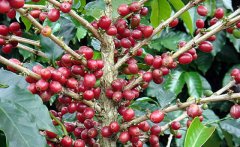
C ô te d'Ivoire is one of the largest producers in the world in terms of quantity
In terms of quantity, it is one of the largest producers in the world. C ô te d'Ivoire has never produced the best quality coffee, and it rarely comes from Arabian coffee trees. In the early 1980s, it was the world's third-largest coffee producer, with an annual output of 5 million bags. Even today, it is still the fifth largest coffee producer in the world, with an annual output of 4.4 million bags. That's it.

The sixth History of European Culture on the Coffee Table Colonial Coffee Garden, a microcosm of cosmopolitanism
After 350 years of drinking a cup of coffee-colonial coffee gardens, a microcosm of cosmopolitanism, the coffee tasted by Europeans after the 17th century is no longer Arabian coffee beans from the East. When cafes quickly became popular in Europe, adventurous businessmen targeted the coffee trade, figuring out the huge profits behind growing and buying and selling coffee. The overseas of the old colonial empire of the Netherlands
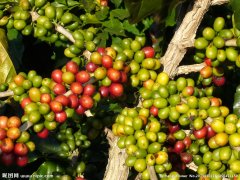
The production of Ugandan Arabica coffee beans accounts for only 10% of the country's total coffee production.
In Uganda (Uganda), Arabica coffee beans account for only 10 per cent of the country's total coffee production, but it is enough to attract attention. The best coffee in Uganda is mainly produced in the mountains of Elgon and Bugisu along the Kenyan border in the north and Ruwensori in the west. Coffee is served in January or February of each year.
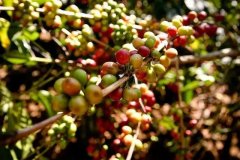
The production of Ugandan Arabica coffee beans accounts for only 10% of the country's total coffee production.
Boutique coffee has a rich and beautiful taste. Even if the coffee made of boutique coffee beans is not all fine coffee, it depends on whether it gives full play to the characteristics of coffee beans, whether it has a good taste, if not, it can not be called boutique coffee. In Uganda (Uganda), Arabica beans account for only 10% of the country's total coffee production, but

Description of flavor of Starbucks Ugandan coffee beans introduction of varieties produced by grinding scale
Starbucks Uganda coffee bean flavor description grinding scale production area variety introduction Uganda coffee production is among the highest in Africa, accounting for more than 70% of its total exports, while Uganda is also the hometown and main producing area of Robbins specialty coffee. In the 1960s, Ugandan coffee production remained at 3.5 million bags a year. By the mid-1980s, mainly for political reasons, coffee production

Introduction to the taste of Indonesian coffee
The coffee was discovered because stingy Dutch planters banned local workers from drinking coffee. In order to get the magical fruit they had worked so hard to grow, they had to find another way to find it in the excrement of civets. After cleaning and grinding, it was made into world-class coffee, which was then found by the Dutch and became more expensive. And as a major tourist destination in Indonesia
Uganda Coffee Development
Pay close attention to the coffee comment (Weixin Official Accounts vdailycom ) and find that the beautiful coffee shop opens its own small shop in Uganda. The production of Arabic coffee beans accounts for only 10% of the total coffee production in the country, but it is enough to attract attention. Uganda's best coffee is mainly grown in the Elgon and Bugisu mountains along the Kenyan border in the north and in the west.

Description of characteristics and Flavor of Coffee Manor in Uganda introduction of grinding degree by taste treatment method
In order to improve the coffee quality and reduce the cost, Uganda cancelled the exclusive management right of the Coffee Management Committee (Coffee Marketing Board, referred to as CMB) in November 1990. Most of the work originally undertaken by the Coffee Management Committee has now been handed over to the cooperative organization. Privatized Coffee Institute

The Origin of Indonesian Coffee the Historical Development of Indonesian Coffee beans the introduction of Robusta Coffee beans
Indonesian Coffee: know the origin of your coffee Modern Indonesia was one of the first countries in the world to start growing coffee commercially before most of Africa, most of Asia and the Americas. Although Indonesian coffee has a history of 400 years, unfortunately, it is full of cruel colonialism, disease and struggle. Coffee is still Indonesia to this day.