
"TCA"
101 article(s) found
Introduction of Ethiopian Hunkute Hungut coffee beans _ how to make Ethiopian coffee
Professional coffee knowledge exchange more coffee bean information please follow the coffee workshop (Wechat official account cafe_style) this bean comes from the Sidamo region of Ethiopia coffee producing region in Africa (Sidamo is a sizeable and major coffee producing area in Ethiopia), the Hanggut processing plant handles the raw beans, so it is named after the beans, and then in order to ensure the stability of the beans.

Hong Kong Siphon Coffee Champion Brewing Tips Share
Professional barista communication, please pay attention to coffee workshop (Weixin Official Accounts cafe_style ) Many coffee enthusiasts, there is a siphon pot at home, although the brewing procedure is not difficult, but to rush to the prize or even become a master, not all of them do. I met the world number one in 2013 and won two consecutive years in Hong Kong at Accro Coffee Hong Kong Siphon Barista Competition

The operation of the siphon pot
The operation method of the siphon pot is characterized by good aroma and high mellowness of the brewed coffee. Corresponding coffee beans: non-heavily roasted single coffee beans and mixed coffee beans, such as Blue Mountain, Colombia, Brazil, etc. Adapt to the crowd: people who pursue the quality of coffee, are not afraid of the trouble of washing pots, and are full of the spirit of continuous exploration. Preparation materials: 1) appropriate amount of pure water; household drinking fountains can be used.

A brief introduction to the treatment method of grinding degree and baking degree of Yunnan Tieka coffee beans
Yunnan coffee is a variant of Arabian original species, which is generally known as Yunnan small-grain coffee, evergreen shrub, with small nuts, thick peel, sweet pulp, mellow products and low caffeine content, so it is also called light coffee. The quality of the world's main cultivated varieties of coffee depends on the growing environment, climate, cultivation and management techniques and other factors. it

Introduction to Coffee knowledge-- understanding Coffee Machine
Features: the brewed coffee has good aroma and high mellowness. Corresponding coffee beans: non-heavily roasted single coffee beans and mixed coffee beans, such as Blue Mountain, Colombia, Brazil, etc. Adapt to the crowd: people who pursue the quality of coffee, are not afraid of the trouble of washing pots, and are full of the spirit of continuous exploration. Preparation materials: 1, the right amount of pure water; you can use the kind of pure water used in household drinking fountains

The siphon pot of the whole strategy of brewing small grains of coffee
Features: the brewed coffee has good aroma and high mellowness. Corresponding coffee beans: non-heavily roasted single coffee beans and mixed coffee beans, such as Blue Mountain, Colombia, Brazil, etc. Adapt to the crowd: people who pursue the quality of coffee, are not afraid of the trouble of washing pots, and are full of the spirit of continuous exploration. Preparation materials: 1) an appropriate amount of pure water; you can use the kind of pure water used in household drinking fountains or

Tips for siphon coffee champion brewing: what is the siphon pot suitable for? coffee bean mixing sticks and techniques to share
Professional Coffee knowledge Exchange more coffee bean information Please follow the coffee workshop (Wechat official account cafe_style) timeless siphon pot coffee explanation | siphon pot coffee principle and brewing suggestions many coffee enthusiasts have a siphon pot at home, although the brewing process is not difficult, not all of them can win the prize or even become a master. I'm in Accro.

The use of various coffee machines different production methods require different cooking time
The operation of the Turkish coffee pot first we would like to introduce what is meant by brewing coffee. Boil-put something in water and boil it over fire. But the process of brewing coffee is to wash the taste out of the coffee with water of 92-96 degrees. So many people will misunderstand this word. If you really put the coffee into the water to brew, the drink you get will no longer be a cup of coffee, but a cup.
A complete knowledge of siphon pot
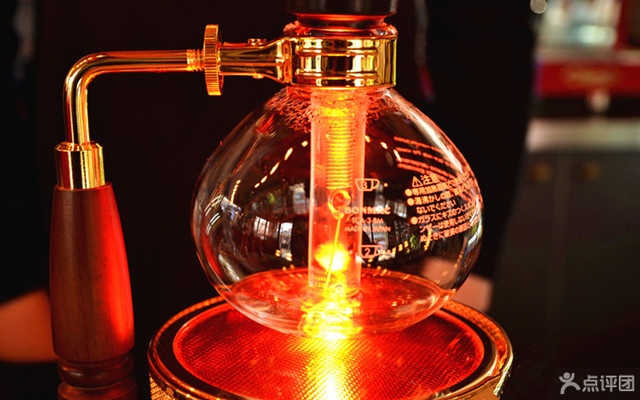
The working principle of the siphon pot How does it work: the main principle of Syphon is to use the ideal gas equation: PV=nRT, under a fixed volume, heat the boiling water to make the steam pressure of the boiling water, press the boiling water into the upper layer to brew the coffee through the glass tube, and then cool the lower layer in a similar vacuum state to absorb the brewed coffee from the upper layer, and filter the dregs with a filter in the middle. You can take it while looking at it.
Introduction of coffee brewing method: historical reason of siphon pot and detailed introduction of brewing method
The first section of the history of the siphon pot The history of syphon: the siphon pot (Syphon), commonly known as "glass ball" or "siphon", is a simple and easy-to-use method of coffee brewing, and it is also one of the most popular coffee brewing methods in cafes. Although the siphon kettle has the nickname of "plug wind type", it has nothing to do with the siphon principle, but uses water to heat and produce water vapor, which causes hot expansion and cold contraction.
Coffee growing environment
Arabica scientific name: Coffea arabica family: Rubiaceae coffee morphological characteristics: small trees or large shrubs, plant height 5~8 meters. Base usually much branched, older branches gray. nodes dilated, young branches glabrous. Leaves thin leathery ovate-lanceolate or lanceolate, apex long acuminate, base cuneate or slightly obtuse, entire or shallowly undulate, glabrous on both sides. Cymes several clustered in leaf axils

Growth Environment and brewing of small Coffee
Small grain coffee scientific name: Coffea arabica family genus: Rubiaceae coffee genus morphological characteristics: small trees or large shrubs, plant height 5 meters 8 meters. Base usually much branched, old branches gray-white. Nodes inflated, young branches glabrous. Leaves thinly leathery-ovate-lanceolate or lanceolate, apex long acuminate, base cuneate or slightly obtuse, entire or shallowly wavy, both surfaces glabrous. Cymes several clustered in leaf axils

The introduction and source of small coffee novice must see
Arabica scientific name: Coffea arabica family: Rubiaceae coffee morphological characteristics: small trees or large shrubs, plant height 5~8 meters. Base usually much branched, older branches gray. nodes dilated, young branches glabrous. Leaves thin leathery ovate-lanceolate or lanceolate, apex long acuminate, base cuneate or slightly obtuse, entire or shallowly undulate, glabrous on both sides. Cymes several clustered in leaf axils

Yunnan coffee common sense coffee growing environment and brewing
Arabica scientific name: Coffea arabica family: Rubiaceae coffee morphological characteristics: small trees or large shrubs, plant height 5~8 meters. Base usually much branched, older branches gray. nodes dilated, young branches glabrous. Leaves thin leathery ovate-lanceolate or lanceolate, apex long acuminate, base cuneate or slightly obtuse, entire or shallowly undulate, glabrous on both sides. Cymes several clustered in leaf axils

Common sense of Chinese Coffee growth Environment and brewing of small Coffee
Small grain coffee scientific name: Coffea arabica family genus: Rubiaceae coffee genus morphological characteristics: small trees or large shrubs, plant height 5 meters 8 meters. Base usually much branched, old branches gray-white. Nodes inflated, young branches glabrous. Leaves thinly leathery-ovate-lanceolate or lanceolate, apex long acuminate, base cuneate or slightly obtuse, entire or shallowly wavy, both surfaces glabrous. Cymes several clustered in leaf axils

General knowledge of fine coffee the growing environment of small-grain coffee
Small grain coffee scientific name: Coffea arabica family genus: Rubiaceae coffee genus morphological characteristics: small trees or large shrubs, plant height 5 meters 8 meters. Base usually much branched, old branches gray-white. Nodes inflated, young branches glabrous. Leaves thinly leathery-ovate-lanceolate or lanceolate, apex long acuminate, base cuneate or slightly obtuse, entire or shallowly wavy, both surfaces glabrous. Cymes several clustered in leaf axils

Common sense of Coffee beans in Yunnan growth Environment and brewing of small Coffee
Small grain coffee scientific name: Coffea arabica family genus: Rubiaceae coffee genus morphological characteristics: small trees or large shrubs, plant height 5 meters 8 meters. Base usually much branched, old branches gray-white. Nodes inflated, young branches glabrous. Leaves thinly leathery-ovate-lanceolate or lanceolate, apex long acuminate, base cuneate or slightly obtuse, entire or shallowly wavy, both surfaces glabrous. Cymes several clustered in leaf axils

Siphon coffee? What is the difference between hand flushing and siphoning?
Professional coffee knowledge exchange more coffee bean information please follow the coffee workshop (Wechat official account cafe_style) siphon coffee practice? What is the difference between hand flushing and siphoning? What kind of coffee is suitable for brewing? 1. Choose the right size pot: most people buy 3 cups pot, can make 1 cup or 2 cups of coffee (the scale on the pot is different from Taiwan cup), if they only make one cup, 2 cups pot
General knowledge of coffee how to use all kinds of coffee machines
The operation of the Turkish coffee pot first we would like to introduce what is meant by brewing coffee. Boil-put something in water and boil it over fire. But the process of brewing coffee is to wash the taste out of the coffee with water of 92-96 degrees. So many people will misunderstand this word. If you really put the coffee into the water to brew, the drink you get will no longer be a cup of coffee, but a cup.

How does the coffee machine work? Various types of coffee machine use method detailed explanation
First of all, we want to introduce what is called brewing coffee. Boiling-Put something in water and boil it with a torch. But brewing coffee is the process of washing out the flavor of coffee with 92-96 degree water. Many people misunderstand this word. If you really put coffee in water and boil it, you will not get a cup of coffee, but a cup of drink.