
"Tachira"
112 article(s) found

The state of Tachira, a coffee producing region in southwestern Venezuela
One of the many plantations in Merida at the foot of the Andes belongs to the Pablo and Pulido families, an ancient farm that has been allowed to downsize. Since taking over the farm in the early 1980s, the Pulido family has harvested coffee from existing bourbon coffee trees and planted new tree species.

San Cristobal, Venezuela
Venezuela's best coffees are Montebello from San Cristbal de Tachira, Miramar from Rubio de Tachira, Granija from Timote de Merida and San Ana from Tachira.

Smooth, sweet Venezuelan coffee beans
Venezuelan coffee beans taste smooth and sweet. Venezuelan coffee is lighter in weight, fuller in grain, less sour, and sweeter and darker than other Latin American coffees. Venezuela's best coffees are Montebello from San Cristbal de Tachira, Rubio from Tachira, and San Cristbal de Tachira.

Smooth, sweet Venezuelan coffee Introduction San Cristobal region
Venezuela's best coffees are Montebello from San Cristbal de Tachira, Miramar from Rubio de Tachira, Granija from Timote de Merida and San Ana from Tachira.
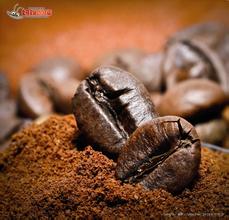
Venezuelan coffee beans with lighter weight, fuller particles and weaker acidity
Venezuela's best coffees are Montebello from San Cristbal de Tachira, Miramar from Rubio de Tachira, Granija from Timote de Merida and San Ana from Tachira.

San Cristobal Coffee, Tachira State, southwest of the Venezuelan coffee producing area
The Caracas Zhouyuan area, once famous for its coffee, has resumed production. In addition, the Jean and AndresBoulton plantations in the Turgua region also grow Tippica coffee trees. The characteristics of Venezuelan coffee: the taste of Venezuelan coffee is different from other coffee in Latin America. It is delicious, light and better than traditional coffee.

The best coffee in Venezuela is produced in San Cristobal.
The best coffee names in Venezuela are: Montebello in San Cristobal (San Cristbal de Tachira) in Tazira, Miramar in Rubio (Rubio de Tachira) in Tazira, Granija in Timothe (Timote de Merida) in Merida, and Santa Ana in Tacira (San)

San Cristobal, the most famous coffee variety in Venezuela
The best coffee names in Venezuela are: Montebello in San Cristobal (San Cristbal de Tachira) in Tazira, Miramar in Rubio (Rubio de Tachira) in Tazira, Granija in Timothe (Timote de Merida) in Merida, and Santa Ana in Tacira (San)

San Cristobal in the Venezuelan coffee-producing region of Tazira
The best coffee names in Venezuela are: Montebello in San Cristobal (San Cristbal de Tachira) in Tazira, Miramar in Rubio (Rubio de Tachira) in Tazira, Granija in Timothe (Timote de Merida) in Merida, and Santa Ana in Tacira (San)

Introduction to the delicious and light flavor of Venezuelan coffee beans
The best coffee names in Venezuela are: Montebello in San Cristobal (San Cristbal de Tachira) in Tazira, Miramar in Rubio (Rubio de Tachira) in Tazira, Granija in Timothe (Timote de Merida) in Merida, and Santa Ana in Tacira (San)

Tazira San Cristobal Manor in the southwest of the Venezuelan coffee plantation
The best coffee names in Venezuela are: Montebello in San Cristobal (San Cristbal de Tachira) in Tazira, Miramar in Rubio (Rubio de Tachira) in Tazira, Granija in Timothe (Timote de Merida) in Merida, and Santa Ana in Tacira (San)

Smooth and sweet Venezuelan coffee beans introduce boutique coffee
The best coffee names in Venezuela are: Montebello in San Cristobal (San Cristbal de Tachira) in Tazira, Miramar in Rubio (Rubio de Tachira) in Tazira, Granija in Timothe (Timote de Merida) in Merida, and Santa Ana in Tacira (San)

Smooth and sweet Venezuelan coffee producing area of San Cristobal
The best coffee names in Venezuela are: Montebello in San Cristobal (San Cristbal de Tachira) in Tazira, Miramar in Rubio (Rubio de Tachira) in Tazira, Granija in Timothe (Timote de Merida) in Merida, and Santa Ana in Tacira (San)

Introduction of Venezuelan coffee beans with smooth taste and sweet taste
The best coffee names in Venezuela are: Montebello in San Cristobal (San Cristbal de Tachira) in Tazira, Miramar in Rubio (Rubio de Tachira) in Tazira, Granija in Timothe (Timote de Merida) in Merida, and Santa Ana in Tacira (San)

Coffee producing country Venezuela
The distinctive manor coffee comes from this oil-rich country.

A unique coffee farm-San Cristobal, Venezuela
One of the many plantations in Merida at the foot of the Andes belongs to the Pablo and Pulido families, an ancient farm that has been allowed to downsize. Since taking over the farm in the early 1980s, the Pulido family has harvested coffee from existing bourbon coffee trees and planted new tree species.

What kinds of Venezuelan coffee do you have in San Cristobal?
The best coffee names in Venezuela are: Montebello in San Cristobal (San Cristbal de Tachira) in Tazira, Miramar in Rubio (Rubio de Tachira) in Tazira, Granija in Timothe (Timote de Merida) in Merida, and Santa Ana in Tacira (Sa)

Boutique Coffee Coffee from Venezuela
The distinctive manor coffee comes from this oil-rich country. Oil was once considered to be the main export of Venezuela. Although coffee trees were introduced from Martinique in 1730 and Venezuela, coffee production was almost abandoned at the height of the oil industry. Recently, coffee plantations have begun to recover, with the original planting of Tipica and

Coffee knowledge Coffee producing area Venezuela
The distinctive manor coffee comes from this oil-rich country. Oil was once considered to be the main export of Venezuela. Although coffee trees were introduced from Martinique in 1730 and Venezuela, coffee production was almost abandoned at the height of the oil industry. Recently, coffee plantations have begun to recover, with the original planting of Tipica and
Coffee producing area-Venezuela
Oil was once considered to be the main export of Venezuela. Although coffee trees were introduced from Martinique in 1730 and Venezuela, coffee production was almost abandoned at the height of the oil industry. Recently, coffee plantations have begun to recover, with original Tipica and bourbon coffee trees and new plantations laying the foundation for coffee exports.