
"Tehua"
5 article(s) found
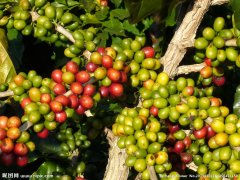
Panamanian Pokuet butterfly (Panama Boquete Butterfly) has different rose summer species.
Panama Pokuit Butterfly (Panama Boquete Butterfly) Origin: Boquete,Panama Bean seed: 40%Geisha, Catuai, Caturra processing Plant: Hacienda La Esmeralda altitude: 1600m treatment method: Washed picking processing time: 02pm 2014 roasting degree: Light-Medium tea, taffy butterfly coffee from Pakistan
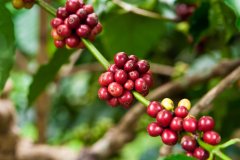
Panamanian Pokuet butterfly (Panama Boquete Butterfly) has a rose summer flavor
Panama Pokuit Butterfly (Panama Boquete Butterfly) Origin: Boquete,Panama Bean seed: 40%Geisha, Catuai, Caturra processing Plant: Hacienda La Esmeralda altitude: 1600m treatment method: Washed picking processing time: 02pm 2014 roasting degree: Light-Medium tea, taffy butterfly coffee from Pakistan

Panamanian Poket Butterfly Coffee beans Baru Volcano area introduction to FST San Teresa Manor
Boquete is a high-altitude volcanic area, because the Baru Volcano volcano brings quite fertile soil, towering terrain, cold and humid air, different sunshine, abundant rainfall, and rivers flow through it, creating high-quality Panamanian boutique coffee. This batch of coffee, which is grown in the same area as the Jade Manor, happens to be located in continuous valleys and ridges.
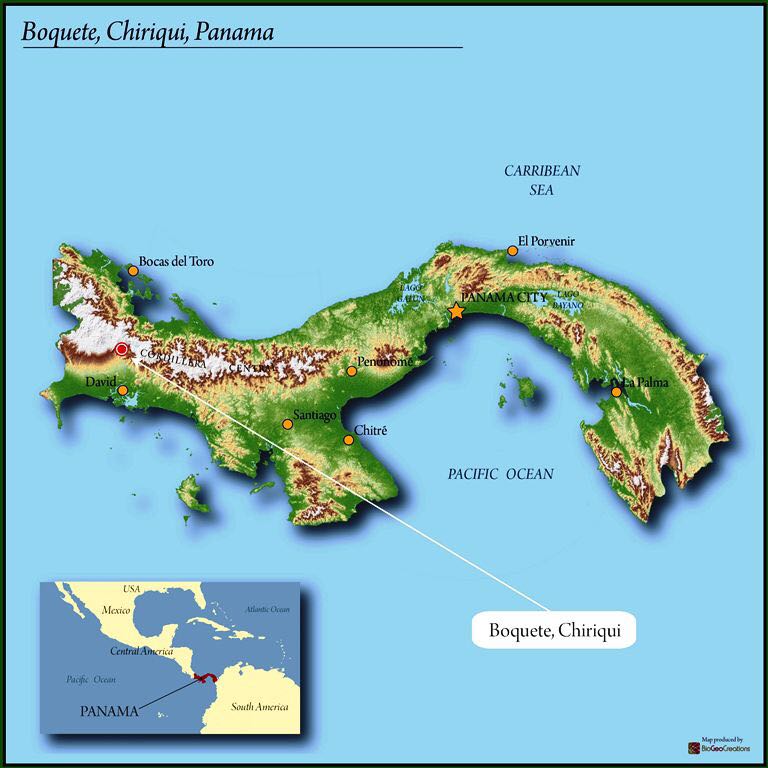
Super cost-effective Panamanian Pocket Butterfly Panama Boquete Butterfly Coffee beans
For professional baristas, please follow the coffee workshop (Wechat official account cafe_style) Panamanian Poket butterfly coffee bean Panama Boquete Butterfly, which is said to contain 40% coffee bean variety geisha Rosa (geisha) coffee beans (coffee beans more expensive than Blue Mountain Coffee). Gesha is one of the most primitive coffee varieties in the world. Some people call it a geisha.

Panamanian Pocket Flower Butterfly Coffee Bean producing area Manor Esmeralda Manor Panamanian Coffee
In addition to creating good coffee cultivation conditions, the Lamastus family, which runs the Elida estate, has also planted many different native tree species on the estate, not only to shade the coffee trees, but also to provide a friendly habitat for birds. In terms of fertilization, the Lamastus family uses artificial fertilization and a small amount of chemical fertilizers, but never uses pesticides and herbicides that are harmful to the environment. Eye