
"Temperature"
45129 article(s) found
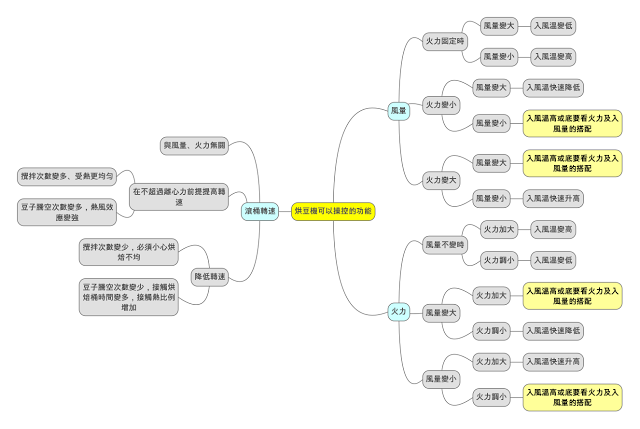
Professional coffee roasting | adjust the air only, not the fire, or just the heat?
Exchange of professional baristas Please follow the coffee workshop (Wechat official account cafe_style) Home-barista this discussion is worth a look at [Air flow in roasting], starting with Scott Rao's correct airflow, how Giesen judges airflow is at theright level, and then induces Rich to talk about more airflow m from a professional point of view.
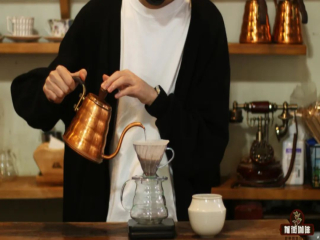
The weather has cooled down, how to ensure that the brewing of hand-made coffee will not be affected?
Today's Guangdong has finally lowered the temperature under the baptism of the typhoon and really stepped into the autumn climate. So, for those who are about to enter the cold season

With regard to the water temperature of coffee, what is the most appropriate temperature for coffee?
In fact, I spent about a day thinking about how to answer this question. It's not that the problem is unfathomable, but that we receive too much information. As you are familiar with, coffee is best at 85, or in many business training sessions, the coffee machine is set at 96. There are also some textbooks that say coffee is better at 92. If you just want to know the result,

How the Water temperature of hand-made Fine Coffee affects Fine Coffee
Professional coffee knowledge exchange more coffee bean information please follow the coffee workshop (Wechat official account cafe_style) how does the water temperature affect coffee? Paul: "the water temperature will directly affect the release of different substances during cooking." There are many chemical reactions during cooking. Water will extract chlorogenic acid, acetic acid, malic acid, caffeine, oil and so on. These substances will also be at different time points.

How can we control the temperature of milking?
Now that we know that the most suitable temperature for milk is between 60 and 70 degrees, how can we handle this temperature?
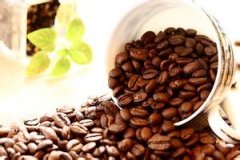
Siphon pot coffee brewing process temperature control method
Siphon pot is used to experience the process of coffee brewing, not only has a certain ornamental, the most important, siphon pot is the most convenient to master the process of equipment, brewing coffee in the taste of the complex degree (Note 1) performance can reach the ideal level, is the taste of coffee must use equipment. Brewed coffee is all right, all by the brewer's own preferences. But the siphon pot is an open device,
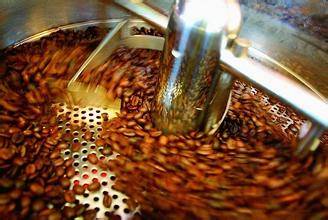
The basic chemical reaction that occurs during coffee roasting. The ingredients produced by the degree of coffee roasting.
Basic chemical reactions that occur during coffee roasting author: Carl Staub originates from the SCAA baking color classification system, developed by Agtron SCAA 1995 original text from: http://www.sweetmarias.com/roast.carlstaub.html translation: Grant, http://www.baristacn.com/forum/thread-1583-1-1.html in the roasting process

Water quality and water temperature of hand-brewed coffee what is the water temperature of hand-brewed coffee?
Professional coffee knowledge exchange more information about coffee beans Please pay attention to the water quality and water temperature of coffee brewed in the coffee workshop (Wechat official account cafe_style). 98% of the ingredients in a cup of hand-brewed coffee are water. Distilled water is the best choice for making coffee. It is not recommended to use pure water to make coffee. Coffee made with pure water often tastes dull and lacks a sense of hierarchy. But more

Standard time for espresso extraction-the difference between American and Italian concentrate
Espresso extraction Standard time-the difference between American and Italian concentrate the higher the brewing water temperature, the lower the sour taste, the higher the bitter and scorched taste, the lower the water temperature, and the higher the acidity, the lower the bitter and scorched taste, so the ideal water temperature should be adjusted according to different beans and formulations, such as lower water temperature for deep baking and higher water temperature for shallow baking. My most commonly used water temperature is 91 degrees. The control of water temperature is great.
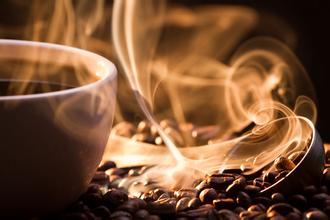
How to make a good espresso and what's the difference between the American way?
The higher the brewing temperature, the lower the acidity of the coffee, the higher the bitterness and the burnt taste, the lower the water temperature, the higher the acidity, and the lower the bitterness and the burnt taste, so the ideal water temperature should be adjusted according to different beans and recipes, such as a lower water temperature for deep roasting and a higher water temperature for shallow roasting. My favorite water temperature is 91 degrees. Most of the water temperature control
Basic chemical reactions that occur during coffee roasting
Many thermal and chemical reactions take place during baking: decarbonation, dehydration of quinic acid, fragmentation, isomerization, polymerization, and complex sugar reactions (caramelization). The main thermally reactive components are monosaccharides and sucrose, chlorogenic acid, displaced amino acids, and trigonelline amide. Both aravinone and calactose in polysaccharides are transferred, and basic sulfurization contains hydroxyamino acids.

The temperature of hand-brewed coffee suggests the temperature at which it should be brewed.
Professional coffee knowledge exchange more coffee bean consultation Please follow the coffee workshop (Wechat official account cafe_style) with the arrival of the third wave of coffee, coffee has been transformed from a necessity to a luxury. Coffee lovers pay more attention to the origin, year, manufacture, beans, variety and taste of coffee, which also makes boutique cafes around the world more prosperous.

Does brewing coffee in the mountains affect the flavor of coffee?
Professional coffee knowledge exchange more coffee bean information Please follow the coffee workshop (Wechat official account cafe_style) anyone who makes coffee knows that there are many brewing factors that affect the flavor of coffee: grinding thickness, brewing time, disturbance, water quality, water temperature, and the altitude at which it is brewed? That's right, the altitude when cooking. Most people actually don't have to worry too much about altitude.
The basic chemical reaction of coffee roasting process
Many thermal and chemical reactions take place during baking: decarbonation, dehydration of quinic acid, subdivision, isomerization, polymerization, and complex sugar reactions (caramelization). The main components of the thermal reaction are monosaccharides and sucrose, chlorogenic acid, free amino acids, and fenugreek amide. Both aravinose and calactose in the polysaccharides are transferred, and the basic vulcanization contains hydroxylated amino acid.

Intelligent coffee cup-intelligent temperature control mug the use of intelligent temperature control coffee pot
Professional coffee knowledge exchange more information about coffee beans Please follow the coffee workshop (Wechat official account cafe_style) Hot coffee is a winter salvation. But I believe we have all experienced it: when you are busy with the work at hand, you will get cold after drinking a cup of coffee, so you can only drink this cold cup of coffee silently to make your heart colder, or just pour it out. But with this, won the TIME Magazine year.
The basic chemical reaction that takes place during coffee roasting.
Many thermal and chemical reactions take place during baking: decarbonation, dehydration of quinic acid, subdivision, isomerization, polymerization, and complex sugar reactions (caramelization). The main components of the thermal reaction are monosaccharides and sucrose, chlorogenic acid, free amino acids, and fenugreek amide. Both aravinose and calactose in the polysaccharides are transferred, and the basic vulcanization process includes hydroxylamine.

The basic chemical reactions that take place during coffee roasting
Many thermal and chemical reactions take place during baking: decarbonation, dehydration of quinic acid, subdivision, isomerization, polymerization, and complex sugar reactions (caramelization). The main components of the thermal reaction are monosaccharides and sucrose, chlorogenic acid, free amino acids, and fenugreek amide. Both aravinose and calactose in the polysaccharides are transferred, and the basic vulcanization process includes hydroxylamine.
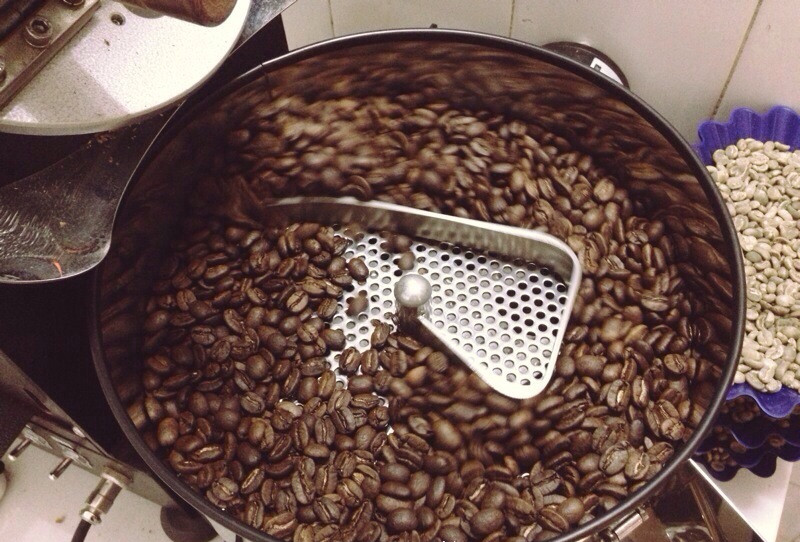
Basic chemical reactions of coffee beans during coffee roasting
Many thermal and chemical reactions take place during baking: decarbonation, dehydration of quinic acid, subdivision, isomerization, polymerization, and complex sugar reactions (caramelization). The main components of the thermal reaction are monosaccharides and sucrose, chlorogenic acid, free amino acids, and fenugreek amide. Both aravinose and calactose in the polysaccharides are transferred, and the basic vulcanization process includes hydroxylamine.
The basic chemical reactions that take place during coffee roasting
Many thermal and chemical reactions take place during baking: decarbonation, dehydration of quinic acid, subdivision, isomerization, polymerization, and complex sugar reactions (caramelization). The main components of the thermal reaction are monosaccharides and sucrose, chlorogenic acid, free amino acids, and fenugreek amide. Both aravinose and calactose in the polysaccharides are transferred, and the basic vulcanization process includes hydroxylamine.
The basic chemical reactions that take place during coffee roasting.
Many thermal and chemical reactions take place during baking: decarbonation, dehydration of quinic acid, subdivision, isomerization, polymerization, and complex sugar reactions (caramelization). The main components of the thermal reaction are monosaccharides and sucrose, chlorogenic acid, free amino acids, and fenugreek amide. Both aravinose and calactose in the polysaccharides are transferred, and the basic vulcanization process includes hydroxylamine.