
"Venezuela"
1742 article(s) found

Introduction to Hawaiian Kona Coffee with smooth taste and sweet taste
Venezuelan Coffee Coffee Venezuela's distinctive manor coffee comes from this oil-rich country. Oil was once considered to be the main export of Venezuela. Although coffee trees were introduced from Martinique in 1730 and Venezuela, coffee production was almost abandoned at the height of the oil industry. Recently, coffee plantations have begun to resume.

Latin American coffee the most distinctive manor coffee comes from the oil-rich country Neri
Venezuela's distinctive manor coffee comes from this oil-rich country. Oil was once considered to be the main export of Venezuela. Although coffee trees were introduced from Martinique in 1730 and Venezuela, coffee production was almost abandoned at the height of the oil industry. Recently, the coffee plantation has begun to recover, and the original Tippica (T

Smooth and sweet Venezuelan coffee beans from Latin American coffee producers
The taste is smooth and sweet. Compared with other coffee in Latin America, Venezuelan coffee is lighter, full-grained, sour, sweet and deep. Venezuelan Coffee Cafe selling Socialist Coffee in Venezuela recently, there is a particularly interesting phenomenon in the Venezuelan Cafe, a state-run coffee chain: the store provides two contrasts for customers.

Venezuelan coffee beans with full grains and weak sour taste
Venezuelan coffee beans taste smooth and sweet. Compared with other coffee in Latin America, Venezuelan coffee is lighter, full-grained, sour, sweet and deep. Recently, a particularly interesting phenomenon has emerged in Venezuela's state-run coffee chain, the Venezuelan Cafe, which sells socialist coffee in Venezuela.

The smooth and sweet flavor of Venezuelan coffee
Venezuelan coffee beans taste smooth and sweet. Compared with other coffee in Latin America, Venezuelan coffee is lighter, full-grained, sour, sweet and deep. Recently, a particularly interesting phenomenon has emerged in Venezuela's state-run coffee chain, the Venezuelan Cafe, which sells socialist coffee in Venezuela.

How do South American coffee beans taste?-Venezuelan coffee
Venezuelan coffee beans taste smooth and sweet. Compared with other coffee in Latin America, Venezuelan coffee is lighter, full-grained, sour, sweet and deep. Recently, a particularly interesting phenomenon has emerged in Venezuela's state-run coffee chain, the Venezuelan Cafe, which sells socialist coffee in Venezuela.

Venezuelan coffee beans with smooth taste and sweet taste
Venezuelan coffee beans taste smooth and sweet. Compared with other coffee in Latin America, Venezuelan coffee is lighter, full-grained, sour, sweet and deep. Recently, a particularly interesting phenomenon has emerged in Venezuela's state-run coffee chain, the Venezuelan Cafe, which sells socialist coffee in Venezuela.

Introduction of Venezuelan coffee beans with smooth taste and sweet taste
Venezuelan coffee beans taste smooth and sweet. Compared with other coffee in Latin America, Venezuelan coffee is lighter, full-grained, sour, sweet and deep. Recently, a particularly interesting phenomenon has emerged in Venezuela's state-run coffee chain, the Venezuelan Cafe, which sells socialist coffee in Venezuela.

Venezuelan coffee with sweet taste and weak sour taste introduces fine coffee.
Venezuelan coffee beans taste smooth and sweet. Compared with other coffee in Latin America, Venezuelan coffee is lighter, full-grained, sour, sweet and deep. Recently, a particularly interesting phenomenon has emerged in Venezuela's state-run coffee chain, the Venezuelan Cafe, which sells socialist coffee in Venezuela.

Smooth and sweet Venezuelan coffee producing area of San Cristobal
The coffee industry in Venezuela has been shrinking in recent years. The government encourages coffee cultivation by introducing new varieties and providing loans to farmers. Venezuelan coffee production accounted for more than 7% of global coffee production in the 19th century, but since the discovery of oil in the early 20th century, the coffee industry has been in decline. At present, Venezuelan coffee production accounts for less than 1% of the world's output.

Basic knowledge of boutique coffee Venezuelan coffee
Venezuela introduced coffee trees from Martinique as early as 1730, but coffee production was almost abandoned at the height of the oil industry. Recently, coffee plantations have begun to recover, with original Tipica and bourbon coffee trees and new plantations laying the foundation for coffee exports.

Smooth and sweet varieties of Venezuelan coffee beans from San Cristobal
Venezuelan coffee beans taste smooth and sweet. Compared with other coffee in Latin America, Venezuelan coffee is lighter, full-grained, sour, sweet and deep. Recently, a particularly interesting phenomenon has emerged in Venezuela's state-run coffee chain, the Venezuelan Cafe, which sells socialist coffee in Venezuela.

Introduction to San Cristobal producing area of sweet Venezuelan coffee manor
Venezuelan coffee beans taste smooth and sweet. Compared with other coffee in Latin America, Venezuelan coffee is lighter, full-grained, sour, sweet and deep. Recently, a particularly interesting phenomenon has emerged in Venezuela's state-run coffee chain, the Venezuelan Cafe, which sells socialist coffee in Venezuela.
Boutique coffee beans introduce Venezuelan coffee
The distinctive manor coffee comes from this oil-rich country. Oil was once considered to be the main export of Venezuela. Although coffee trees were introduced from Martinique in 1730 and Venezuela, coffee production was almost abandoned at the height of the oil industry. Recently, coffee plantations have begun to recover, with the original planting of Tipica and
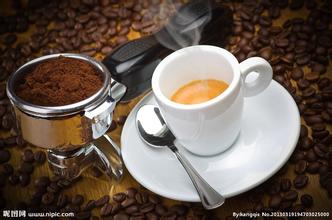
Smooth and sweet Venezuelan coffee beans
The best coffee names in Venezuela are: Montebello in San Cristobal (San Cristbal de Tachira) in Tazira, Miramar in Rubio (Rubio de Tachira) in Tazira, Granija in Timothe (Timote de Merida) in Merida, and Santa Ana in Tacira (San)

Venezuelan coffee is delicious and light, with less sour taste than traditional coffee.
Oil was once considered to be the main export of Venezuela. Although coffee trees were introduced from Martinique in 1730 and Venezuela, coffee production was almost abandoned at the height of the oil industry. Recently, coffee plantations have begun to recover, with original Tipica and bourbon coffee trees and new plantations laying the foundation for coffee exports.

Introduction to Venezuelan coffee with smooth taste and sweet taste
The distinctive manor coffee comes from this oil-rich country. Oil was once considered to be the main export of Venezuela. Although coffee trees were introduced from Martinique in 1730 and Venezuela, coffee production was almost abandoned at the height of the oil industry. Recently, coffee plantations have begun to recover, with the original planting of Tipica and
Venezuelan coffee is recommended from the producing area of boutique coffee beans.
The distinctive manor coffee comes from this oil-rich country. Oil was once considered to be the main export of Venezuela. Although coffee trees were introduced from Martinique in 1730 and Venezuela, coffee production was almost abandoned at the height of the oil industry. Recently, coffee plantations have begun to recover, with the original planting of Tipica and

The characteristics of Venezuelan coffee the present situation of the manor San Cristobal
The distinctive manor coffee comes from this oil-rich country. Oil was once considered to be the main export of Venezuela. Although coffee trees were introduced from Martinique in 1730 and Venezuela, coffee production was almost abandoned at the height of the oil industry. Recently, coffee plantations have begun to recover, with the original planting of Tipica and

Smooth and sweet Venezuelan coffee beans introduce boutique coffee
Venezuelan coffee beans taste smooth and sweet. Compared with other coffee in Latin America, Venezuelan coffee is lighter, full-grained, sour, sweet and deep. Recently, a particularly interesting phenomenon has emerged in Venezuela's state-run coffee chain, the Venezuelan Cafe, which sells socialist coffee in Venezuela.